At Small Nation, we believe that investing in communities goes far beyond real estate. When disaster strikes, the real work begins—not just in rebuilding structures, but in restoring livelihoods, local pride, and a sense of normalcy. What happened after the tornado was one of the clearest examples of how giving back can be the most important work a developer does.
A TORNADO’S PATH
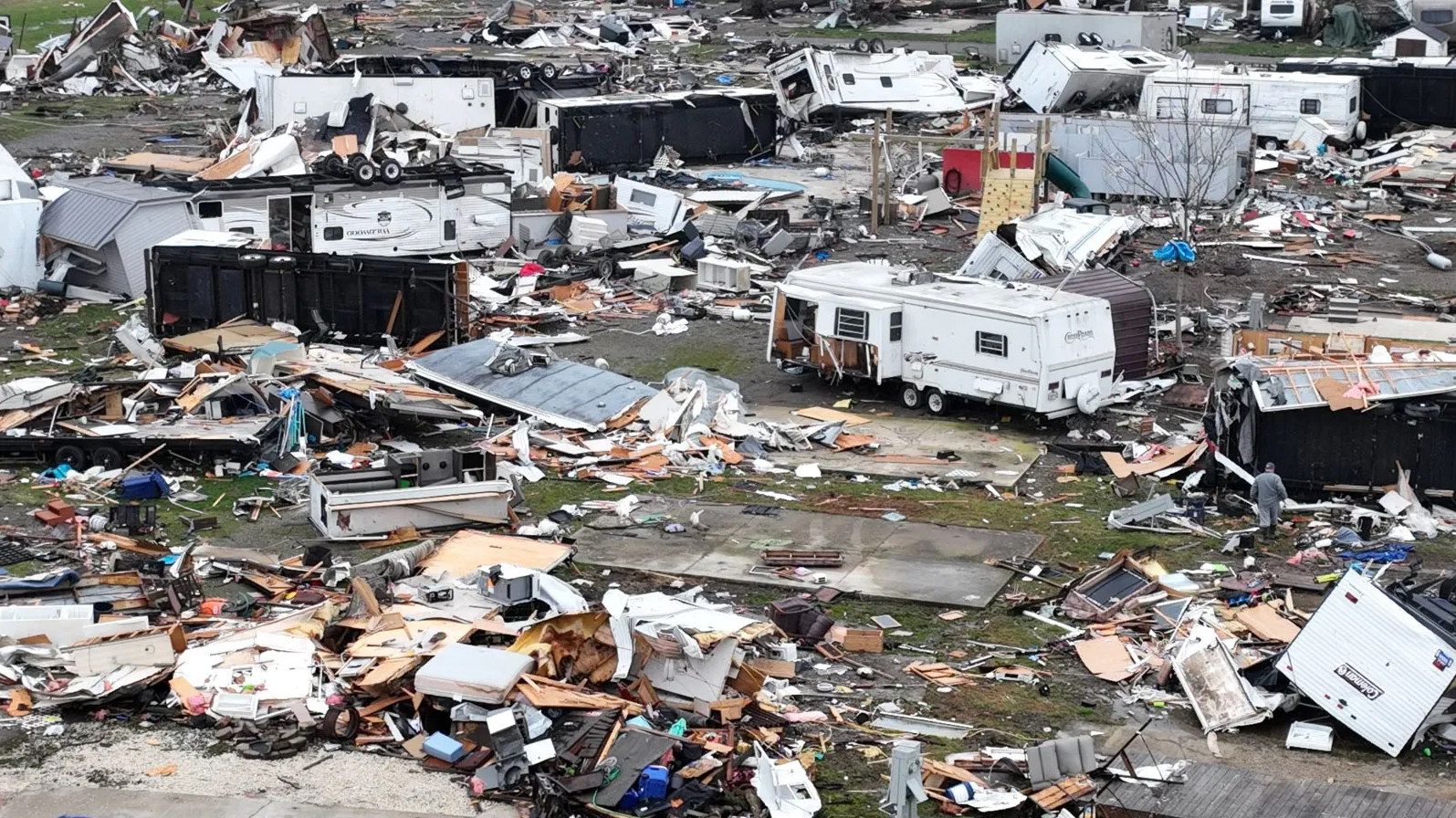
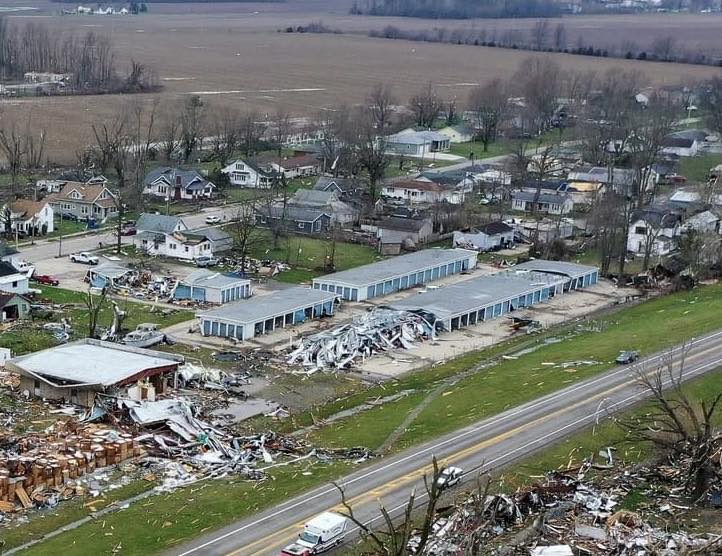
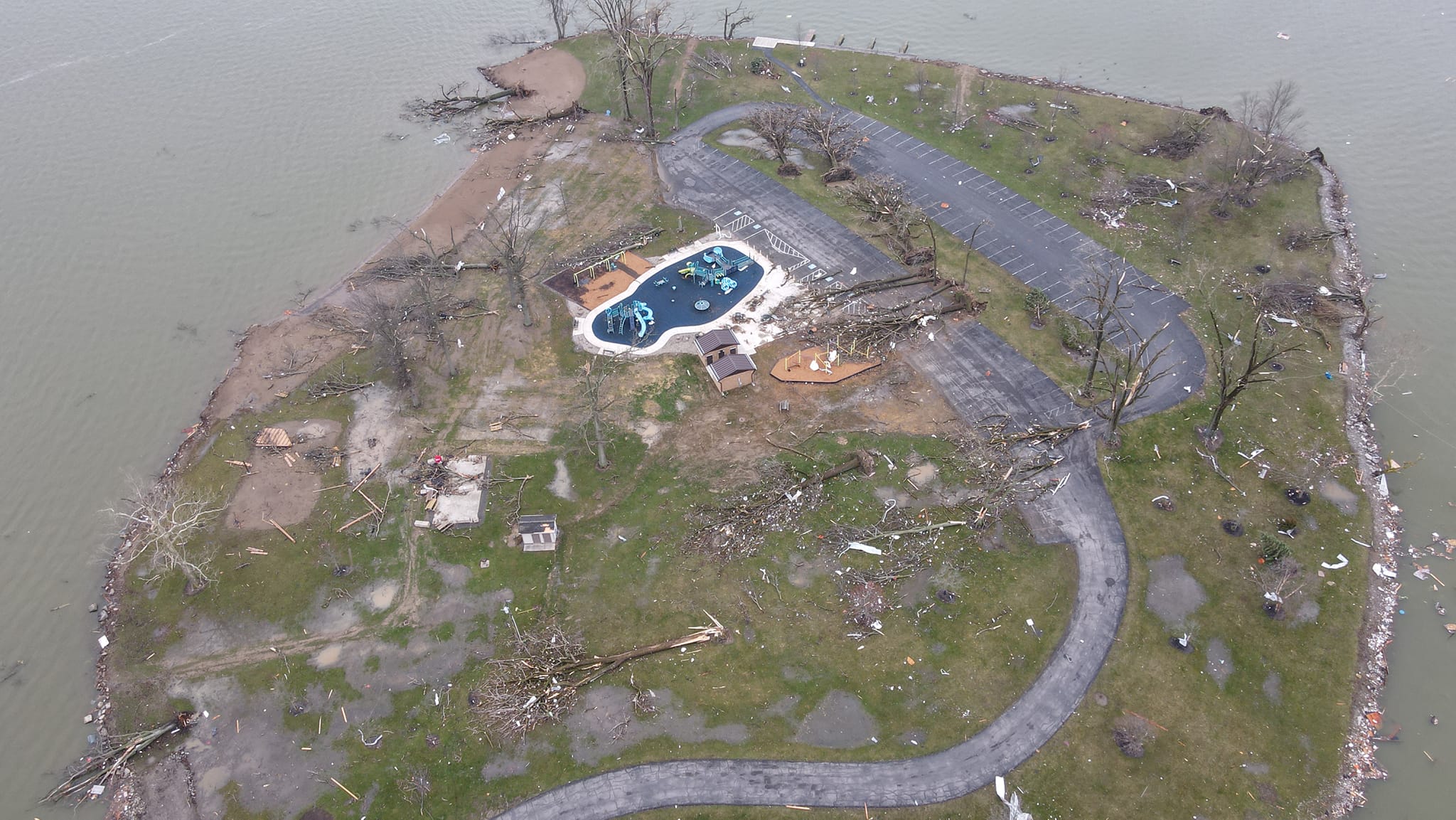
On Thursday, March 14, 2024, a powerful tornado ripped through Logan County, leaving a visible scar through the Indian Lake region. Homes and businesses were torn apart. Roads were blocked, internet access was lost, and many residents had no place to work, live, or regroup. Even government buildings weren’t spared—the Village of Lakeview’s administration offices were completely destroyed.
Small Nation itself owned several buildings in the path of the storm. One of its properties in downtown Lakeview suffered notable damage. But for our team, the mission was immediately clear: help as many people as possible, as quickly as possible.
FROM OFFICE SPACE TO OPERATIONAL SUPPORT
Just days after the storm, Small Nation opened the doors of BUILD Cowork + Space in downtown Bellefontaine to any displaced worker or business needing internet, workspace, or power. No cost, no strings attached—just help.
People who worked remotely and lost their home internet connections were welcomed in. Local professionals without access to printers, phones, or reliable meeting space had a place to regroup. In those first weeks, BUILD became more than just a coworking space, it became a stabilizing force for people trying to maintain some kind of normalcy while navigating insurance claims, damage reports, and disaster assistance paperwork.
We also quickly mobilized Main Street Marketplace in Bellefontaine as a pop-up retail space. Businesses from Indian Lake that had lost their storefronts or couldn’t operate safely were offered temporary space to keep making sales and connecting with customers.
HELPING LOCAL GOVERNMENT RESUME OPERATIONS
While helping residents and small businesses was a priority, Small Nation also recognized the critical need for functioning local government. With the Village of Lakeview’s building destroyed, there was no place for the mayor, administrators, or staff to operate at a time when their role was more important than ever.
Small Nation offered one of our Lakeview properties to house the village government. Our team fast-tracked necessary repairs to make the space safe and functional. Within days, the Village had a new temporary home and was able to coordinate emergency response, distribute information, and keep basic services moving for its residents.
SHARING WHAT WE LEARNED
Rebuilding after a disaster is overwhelming. There’s no handbook for how to deal with FEMA, insurance companies, or SBA loans, especially when you’re doing it all while trying to salvage your business.
Small Nation didn’t just offer space, we shared our own recovery playbook. As owners of damaged properties ourselves, we had to navigate the same systems other business owners were facing. What we learned, we passed on.
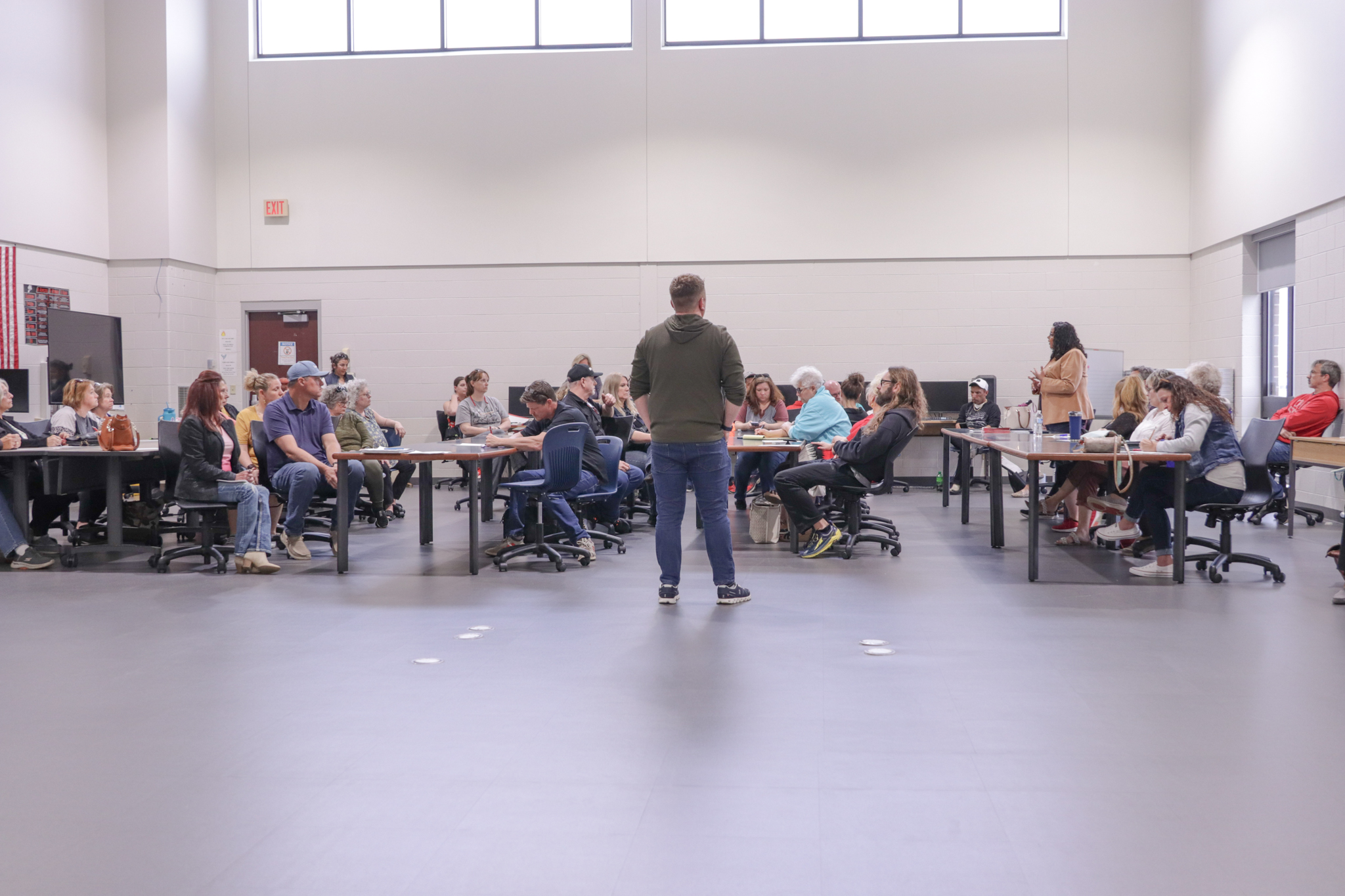
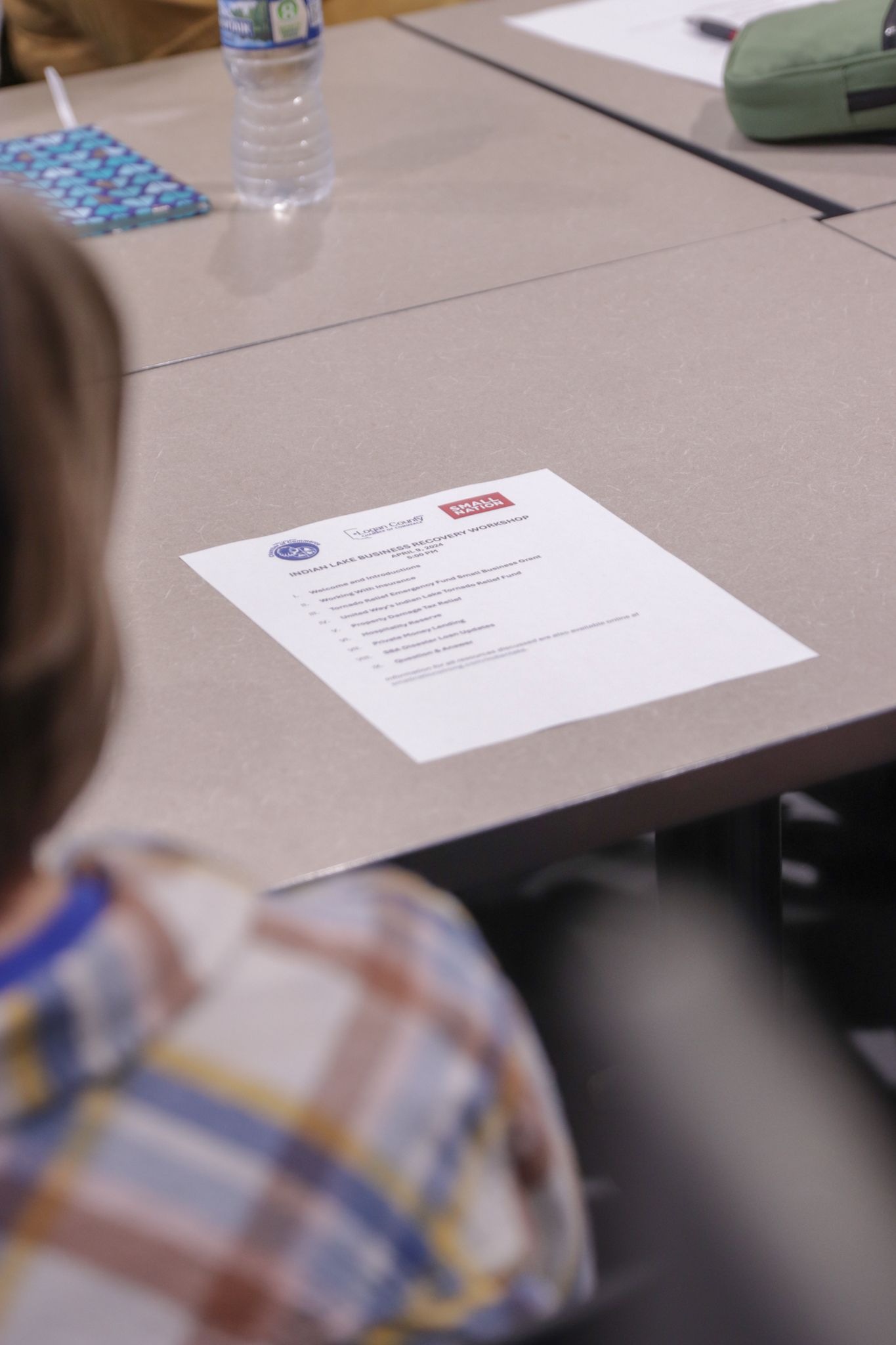
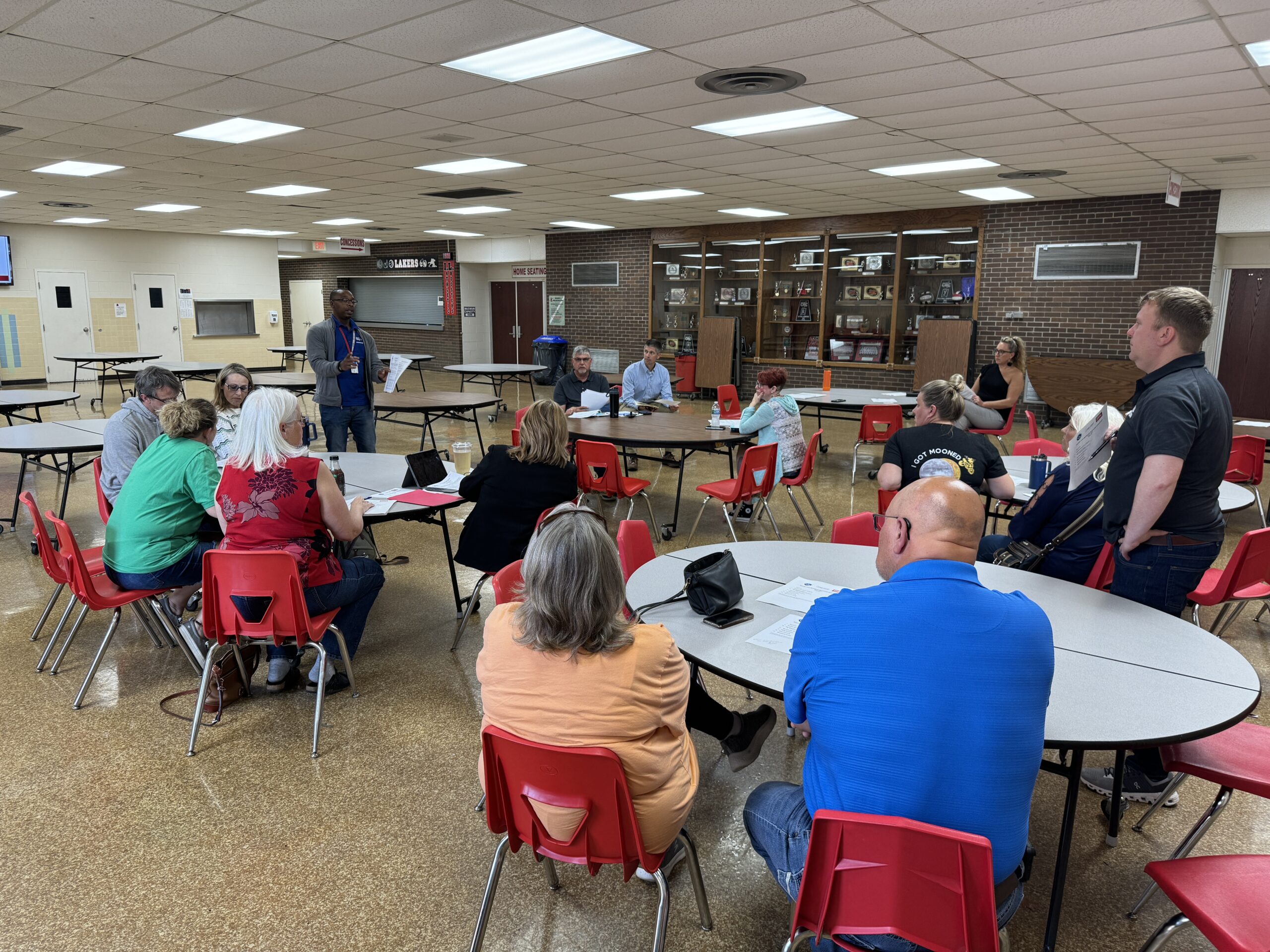
In partnership with the Indian Lake Chamber of Commerce and Logan County Chamber of Commerce, we co-hosted a three-part Business Recovery Workshop series. These sessions were practical, specific, and designed for people in crisis. Topics included:
- Filing and negotiating insurance claims
- Accessing SBA disaster loans
- Developing a financial recovery plan
- Marketing and communications during recovery
- Mental health and self-care for business owners
The workshops were free, well-attended, and deeply appreciated. More than anything, they helped people feel less alone in the process.
A STRONGER COMMUNITY THROUGH COLLABORATION
None of these efforts would have been possible without partnerships. In times of crisis, collaboration is the key to moving quickly and effectively. We worked closely with the Indian Lake Chamber of Commerce, Logan County Chamber of Commerce, United Way of Logan County (which established the Indian Lake Tornado Relief Fund) and downtown Bellefontaine businesses, many of which offered resources, gift card donations, or fundraising events.
These connections allowed us to mobilize people, spaces, and financial support quickly. Our team at Small Nation coordinated daily with these partners to ensure efforts were aligned and that help was getting to where it was needed most.
GIVING BACK IS THE JOB
For us, giving back wasn’t a separate initiative. It was the work. This is what it means to be invested in a place—not just in buildings, but in people.
Our entire team showed up. They brought tools. They made calls. They cleared debris. They set up desks, ran ethernet cables, and answered questions they didn’t always know the answers to. We didn’t have all the solutions, but we had each other. And we kept showing up, every day. This experience changed the way we think about development and leadership. It reminded us that:
- Flexible spaces are powerful tools for emergency response
- Having trusted partnerships in place before a crisis makes response faster and more effective
- Real estate is just the beginning—what matters is how spaces are used in times of need
- Sharing knowledge is just as valuable as sharing physical resources
We’ve now built stronger systems internally to respond even more effectively in the future. And we’ve expanded our thinking around disaster planning and business continuity for small towns.
THE RIPPLE EFFECT OF GENEROSITY
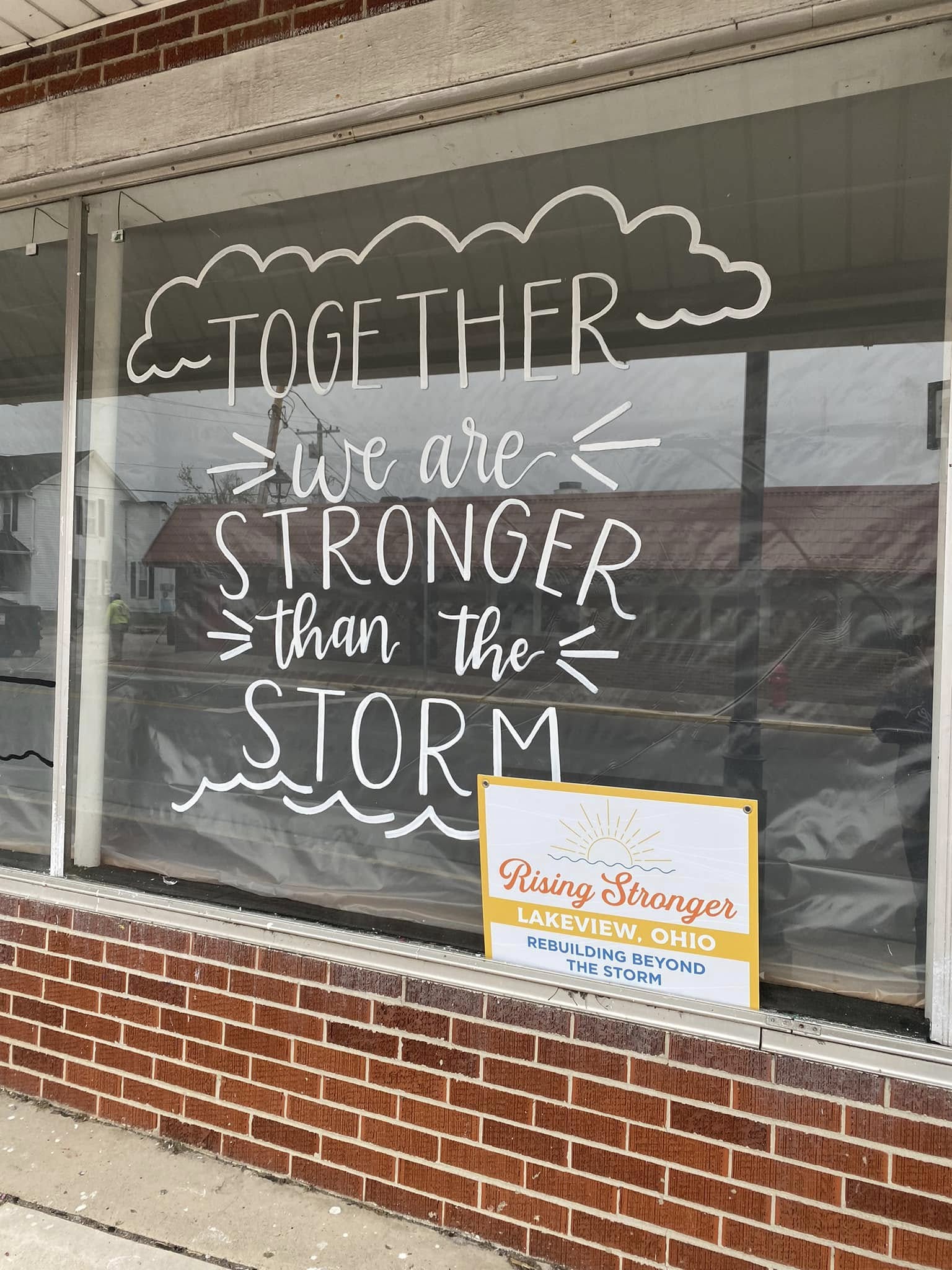
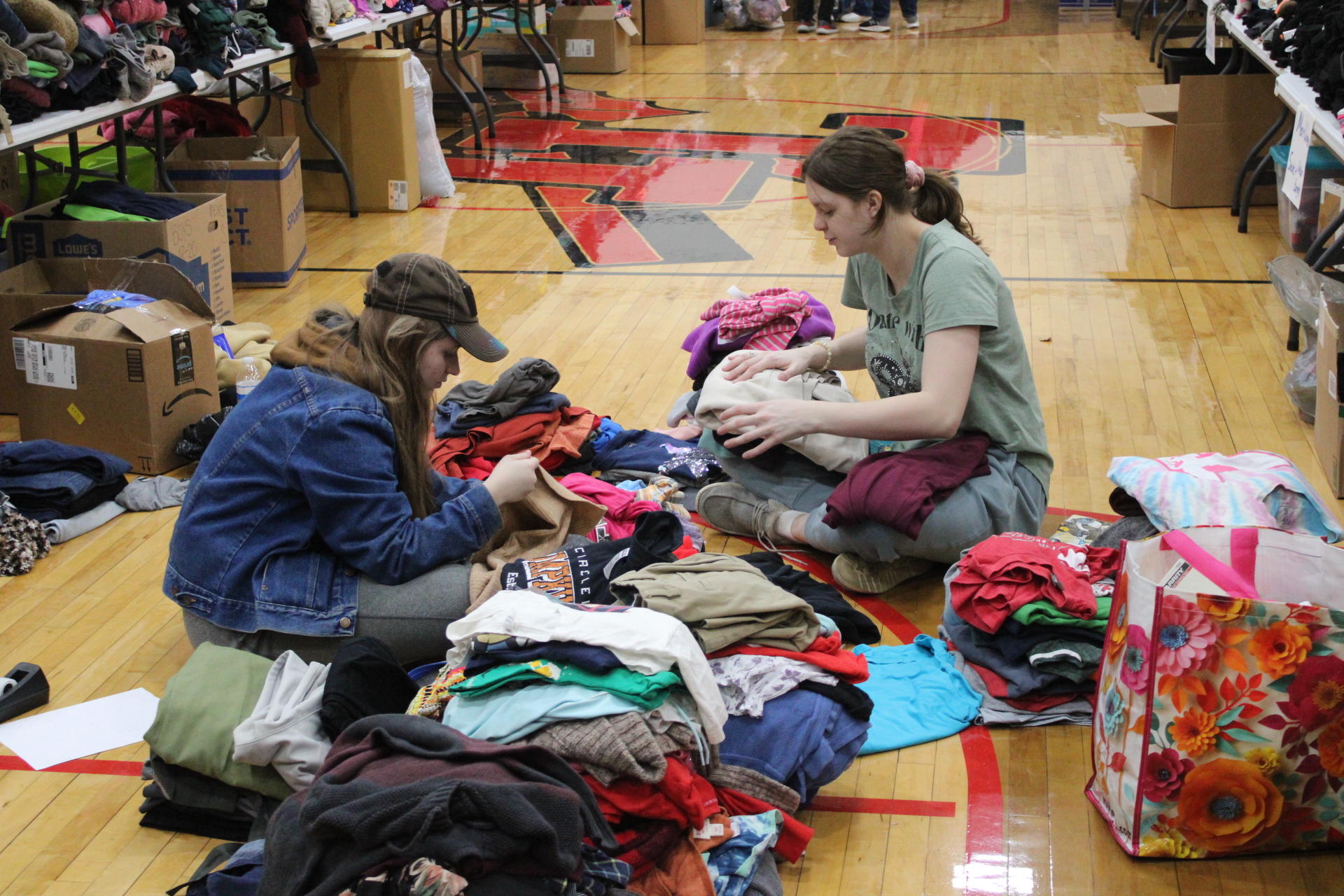
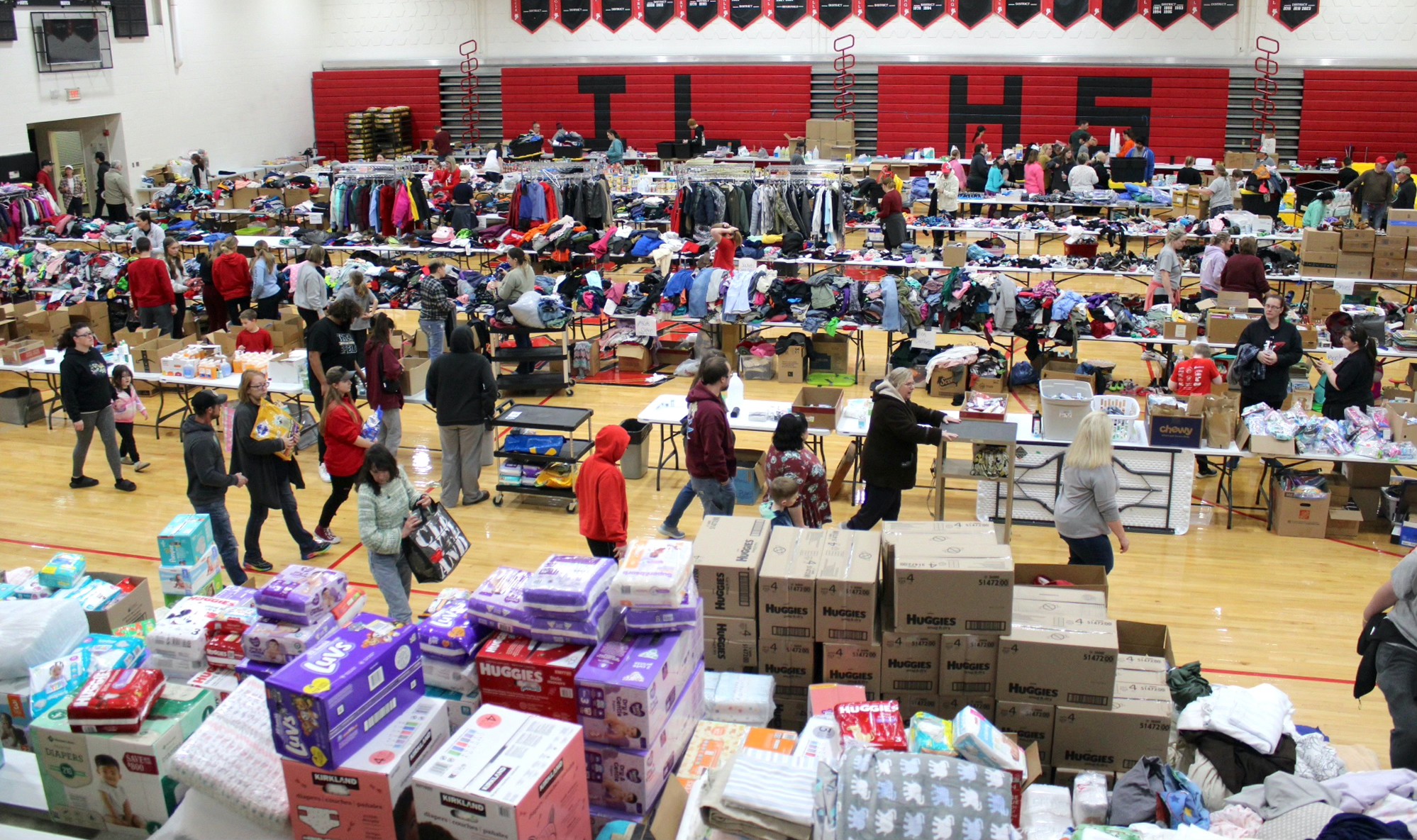
Thanks to these efforts, dozens of businesses were able to stay open. Residents had a place to work. Local government had a base of operations. Workshops educated and empowered business owners to recover smarter. And a regional network of collaboration was strengthened. But perhaps most importantly, the community felt supported. In a time of grief and loss, that feeling—that someone cared, that someone showed up—meant everything.
At Small Nation, our mission is to believe in small towns. Not just when things are going well, but when they’re at their worst. This was our opportunity to prove that belief with action. And it reaffirmed everything we already knew about the power of giving back. When one part of the community falls, the rest must rise to meet the need. That’s what we did. And that’s what we’ll continue to do.