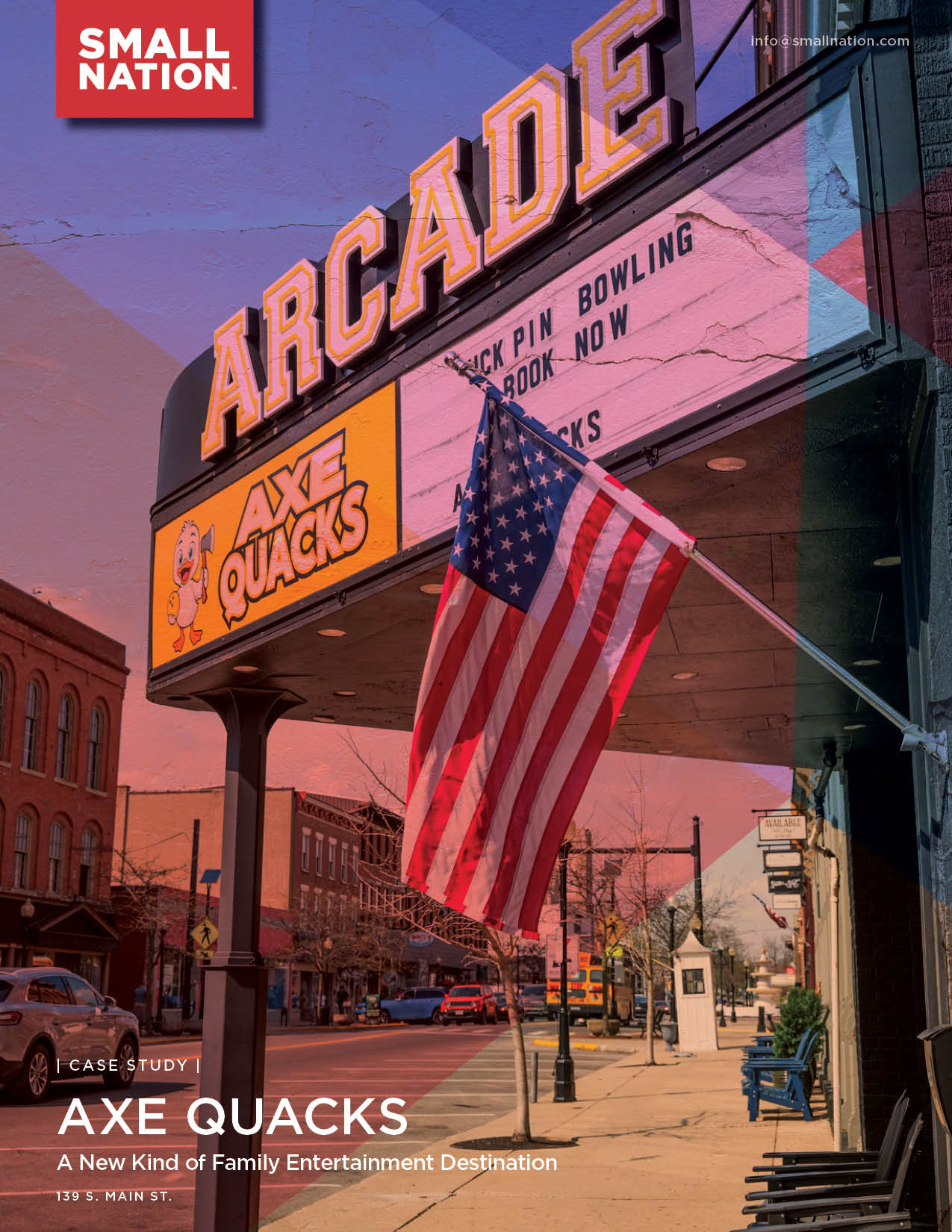
The story of Axe Quacks is not just about a fun night out. It is about how the right owners, with the right vision, can take an existing concept and evolve it into something broader, more accessible, and more valuable to the surrounding business district.
A BUILDING WITH A STORY TO TELL
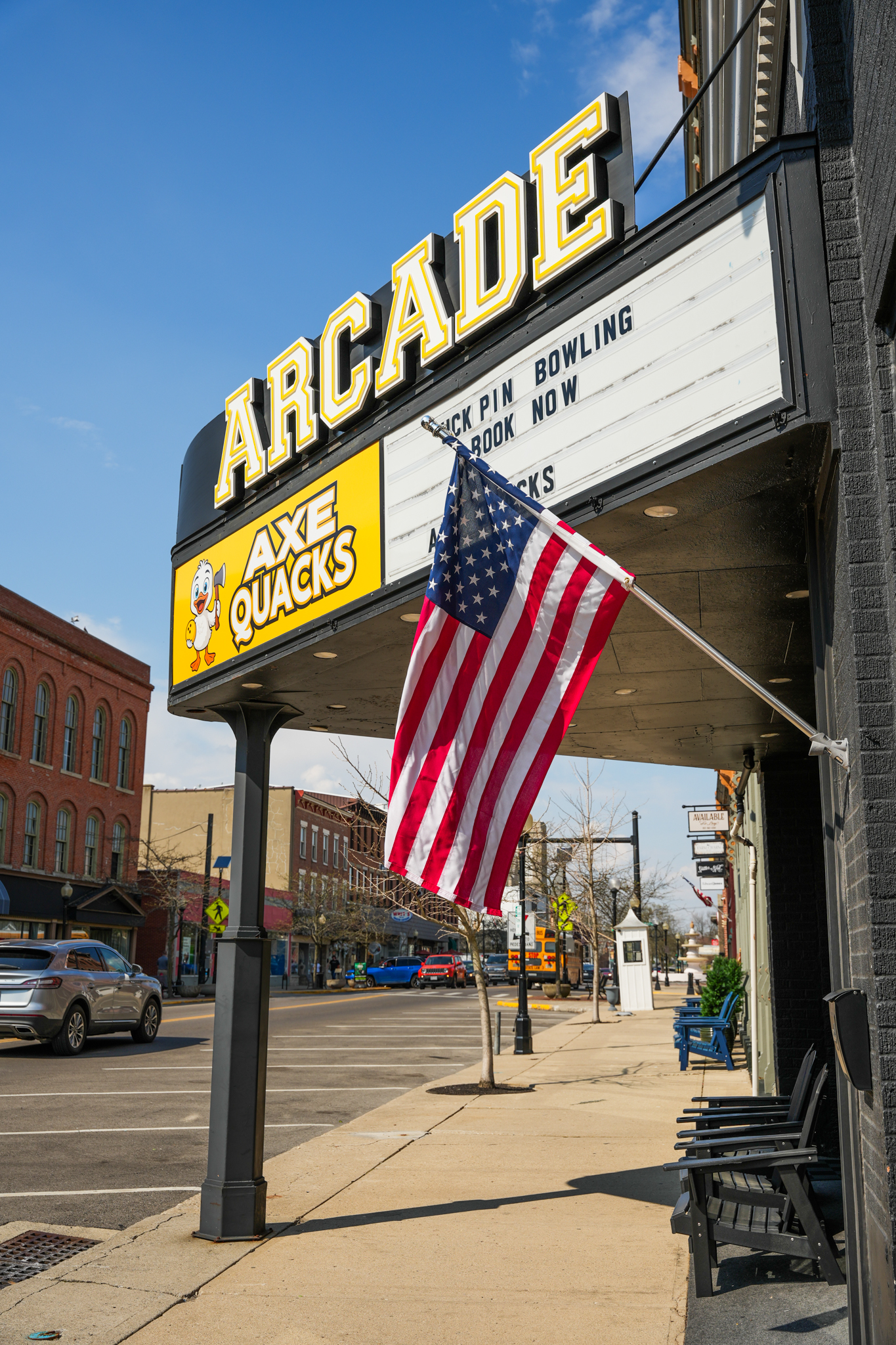
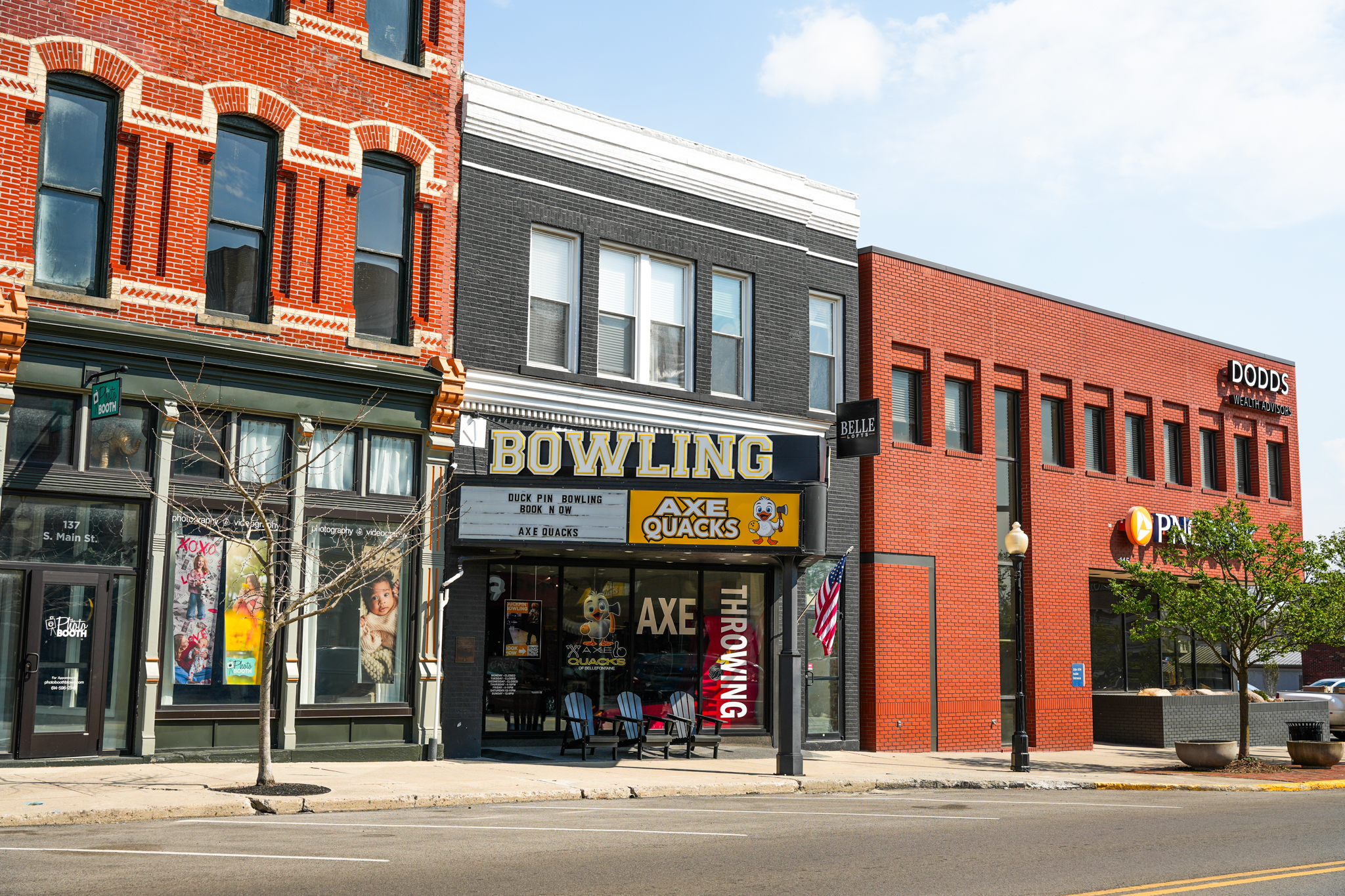
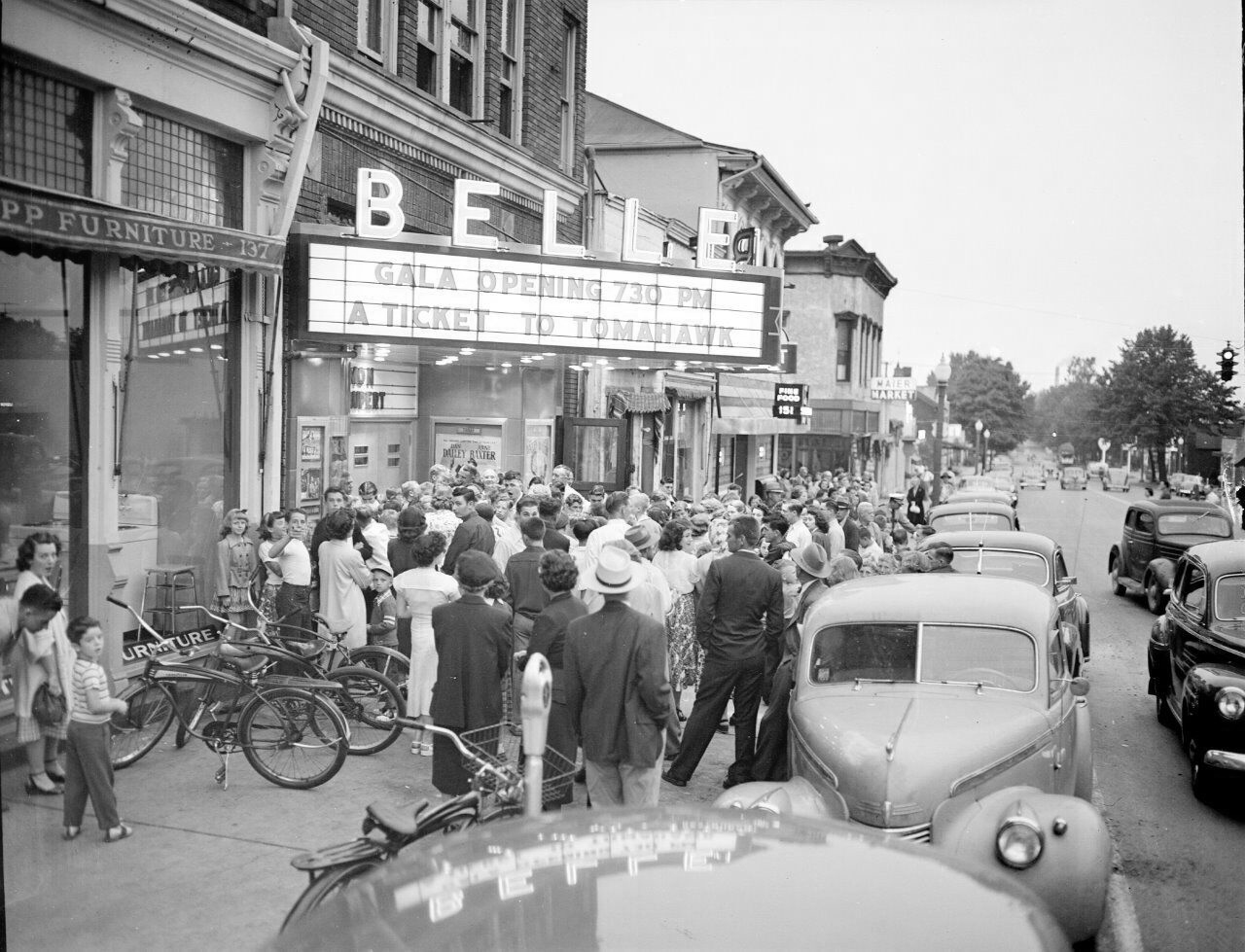
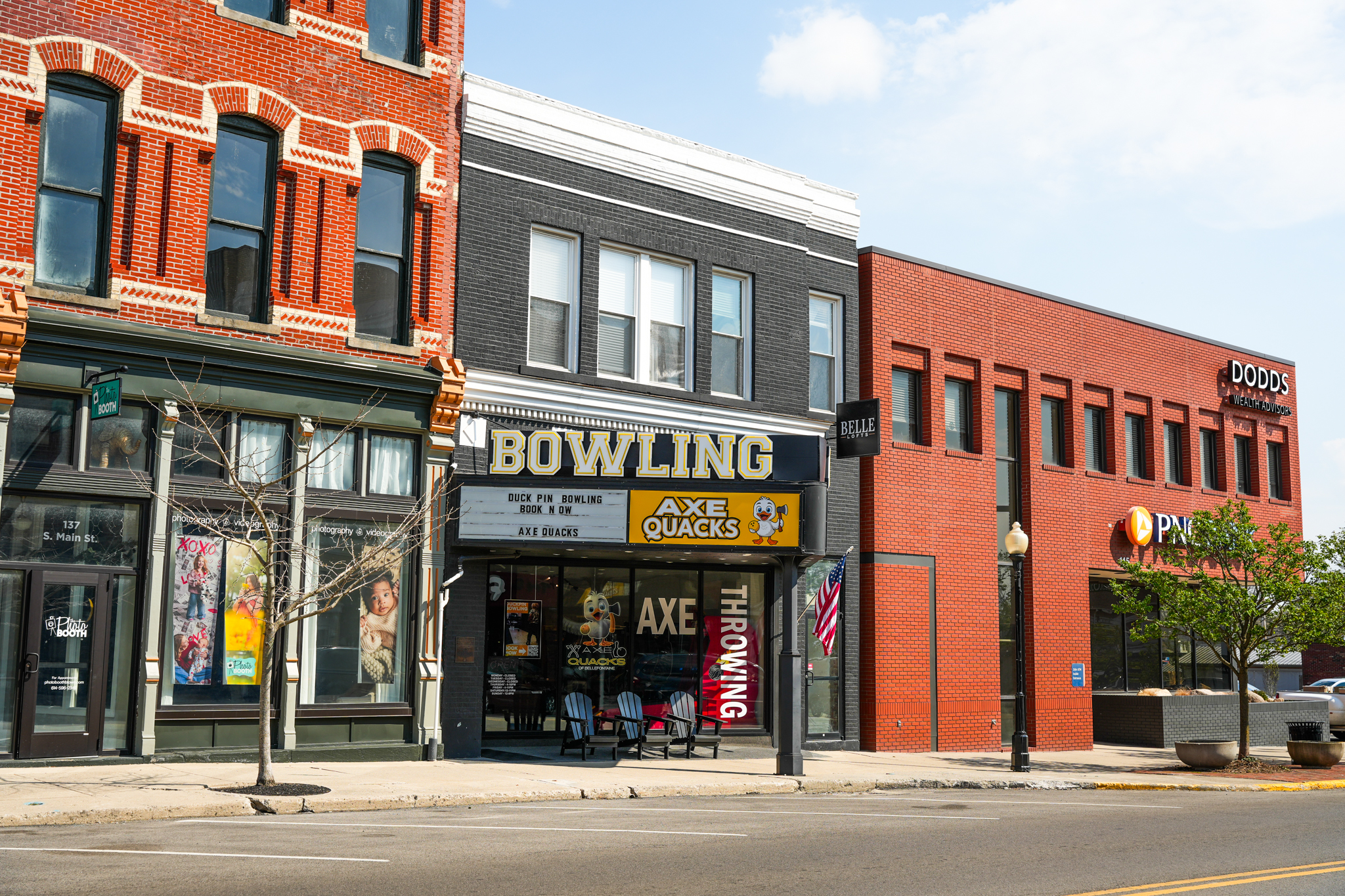
Long before guests were throwing axes or rolling duckpin bowling balls, 139 South Main Street served as an entertainment and retail destination in other ways. The building was originally home to the Strand Theatre, and over the decades it also housed businesses including Sears and a flooring store. Like many older downtown buildings, it remained architecturally important even as its uses changed.
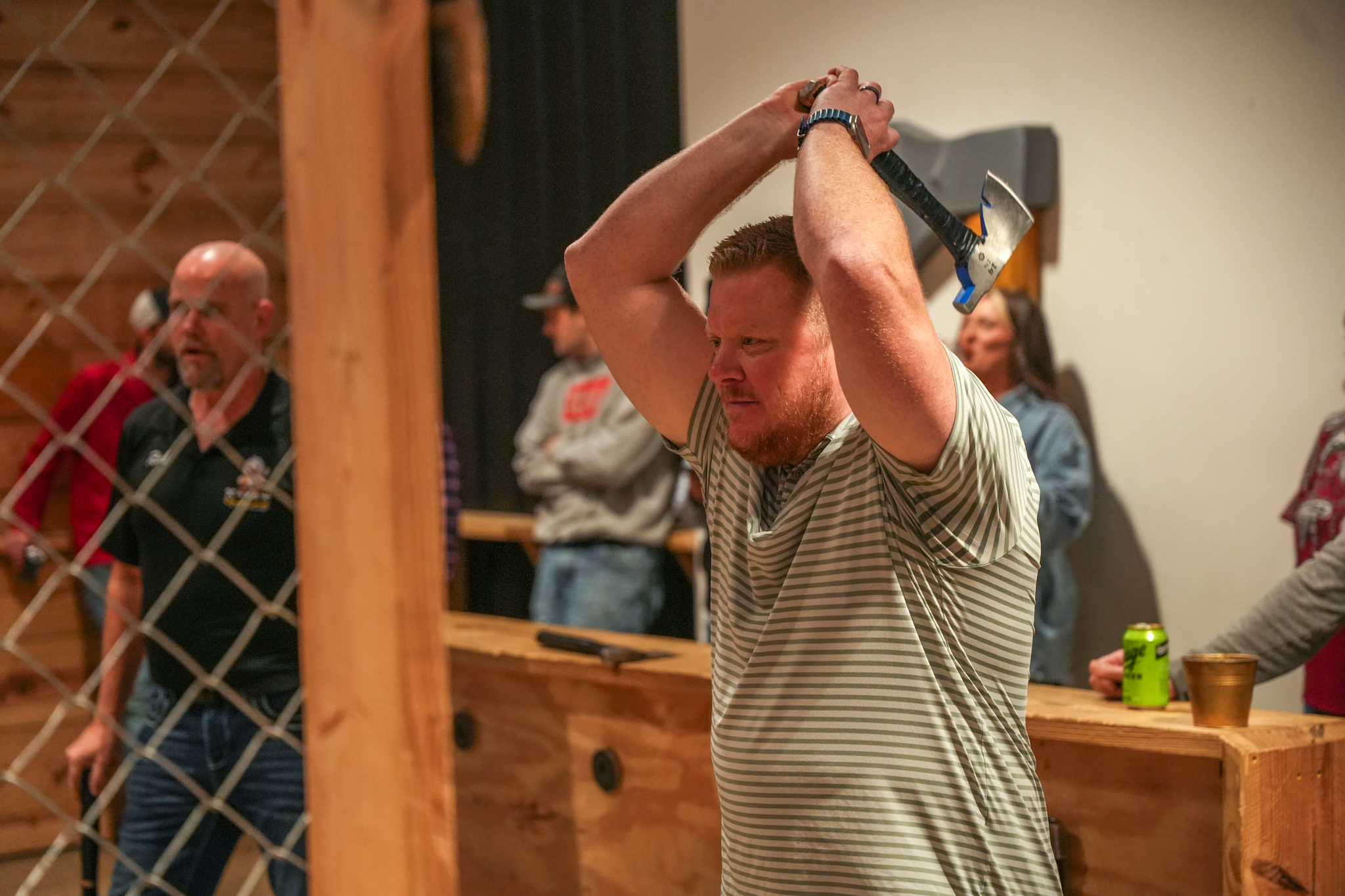
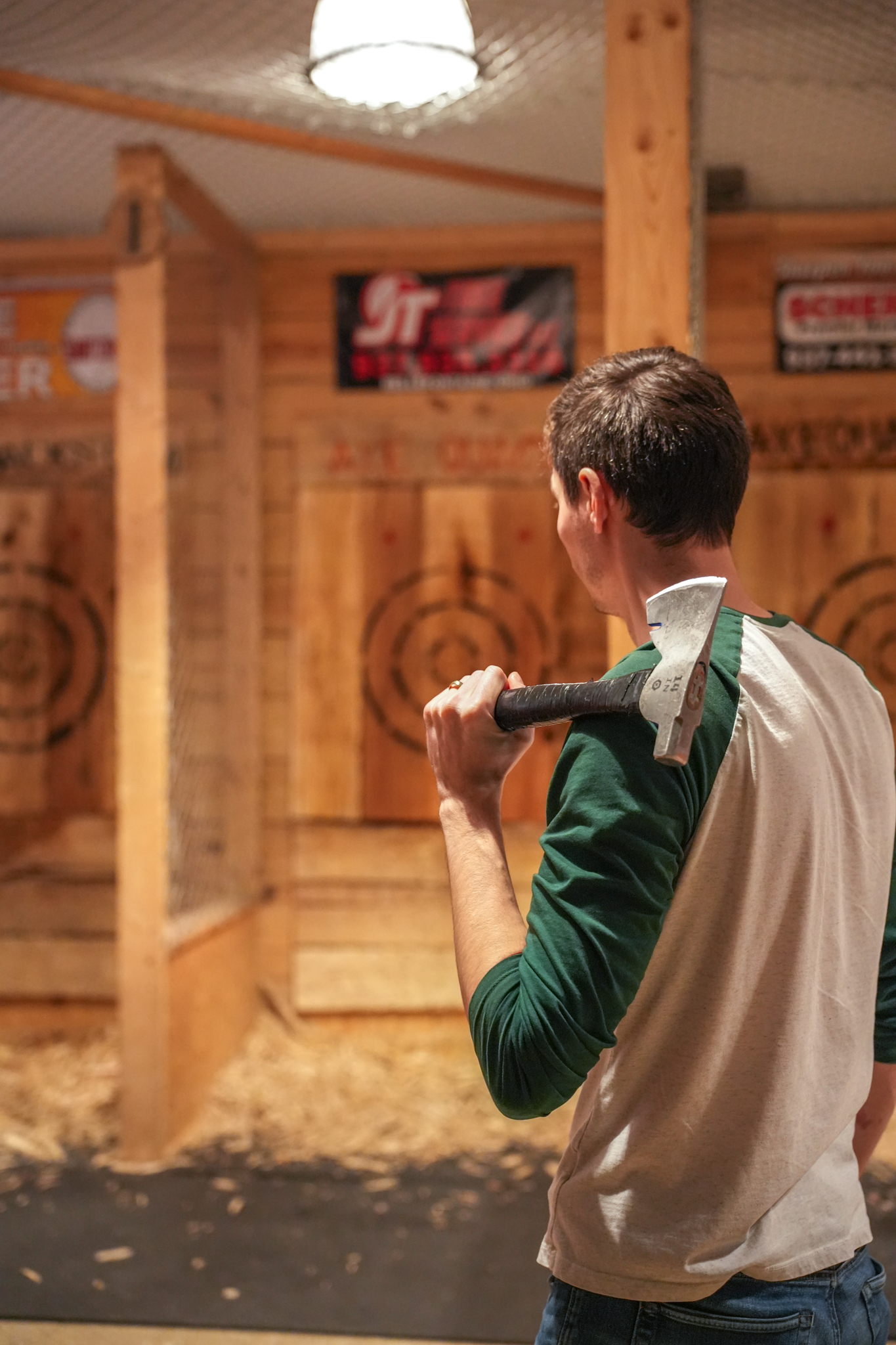
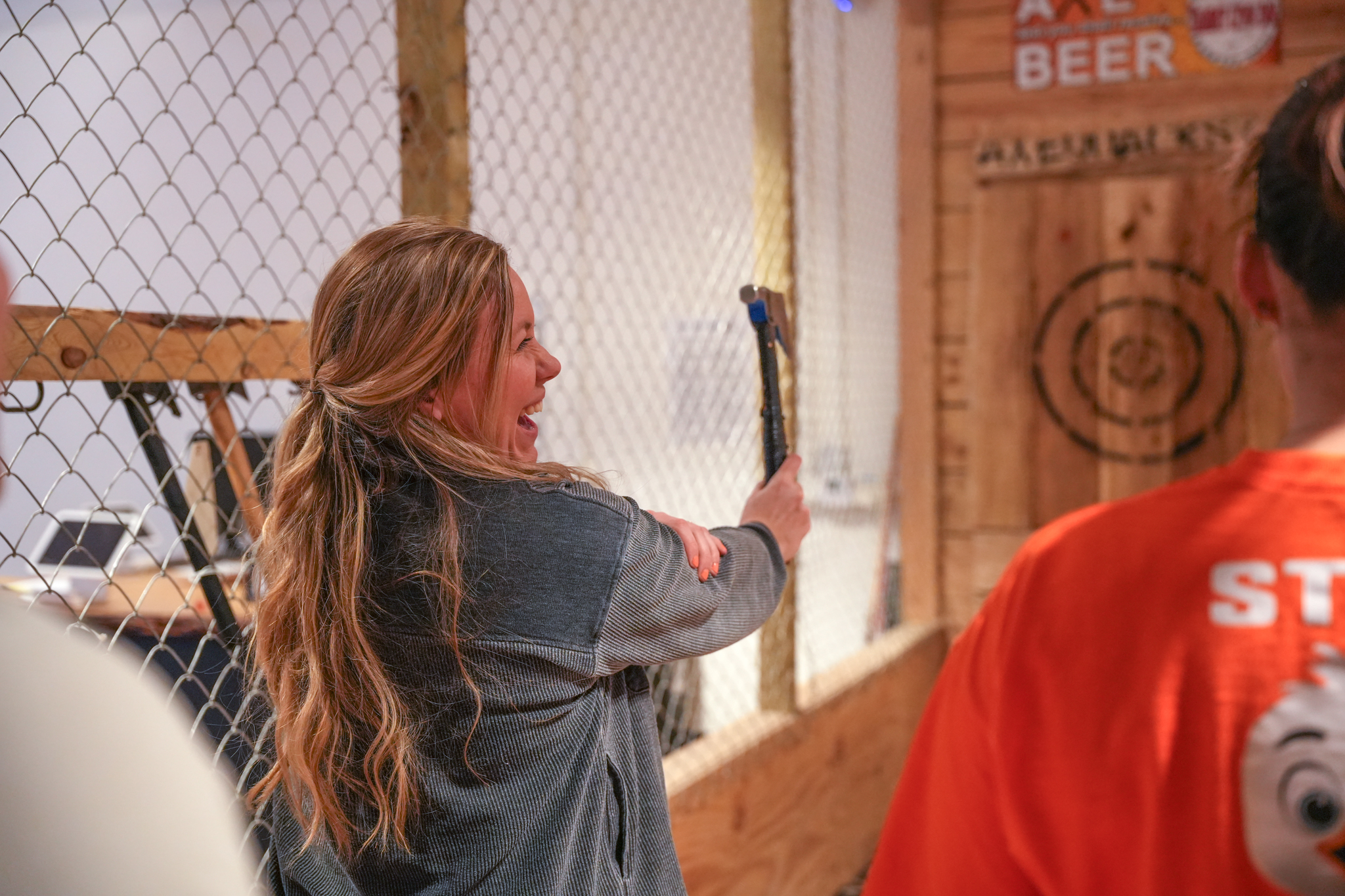
That kind of building carries weight in a small town. It holds memory. People remember going there for one reason or another, and each new business that occupies it adds another layer to the town’s story. When the space was redeveloped into an axe throwing venue in 2022 under the name Axe Ventura, it introduced a new type of entertainment to Bellefontaine and helped prove that downtown could support more experiential businesses.
That initial chapter mattered. It brought people into the building again and established the location as a place for recreation and group outings. But the next chapter would take the concept even further.
NEW OWNERSHIP, BIGGER VISION
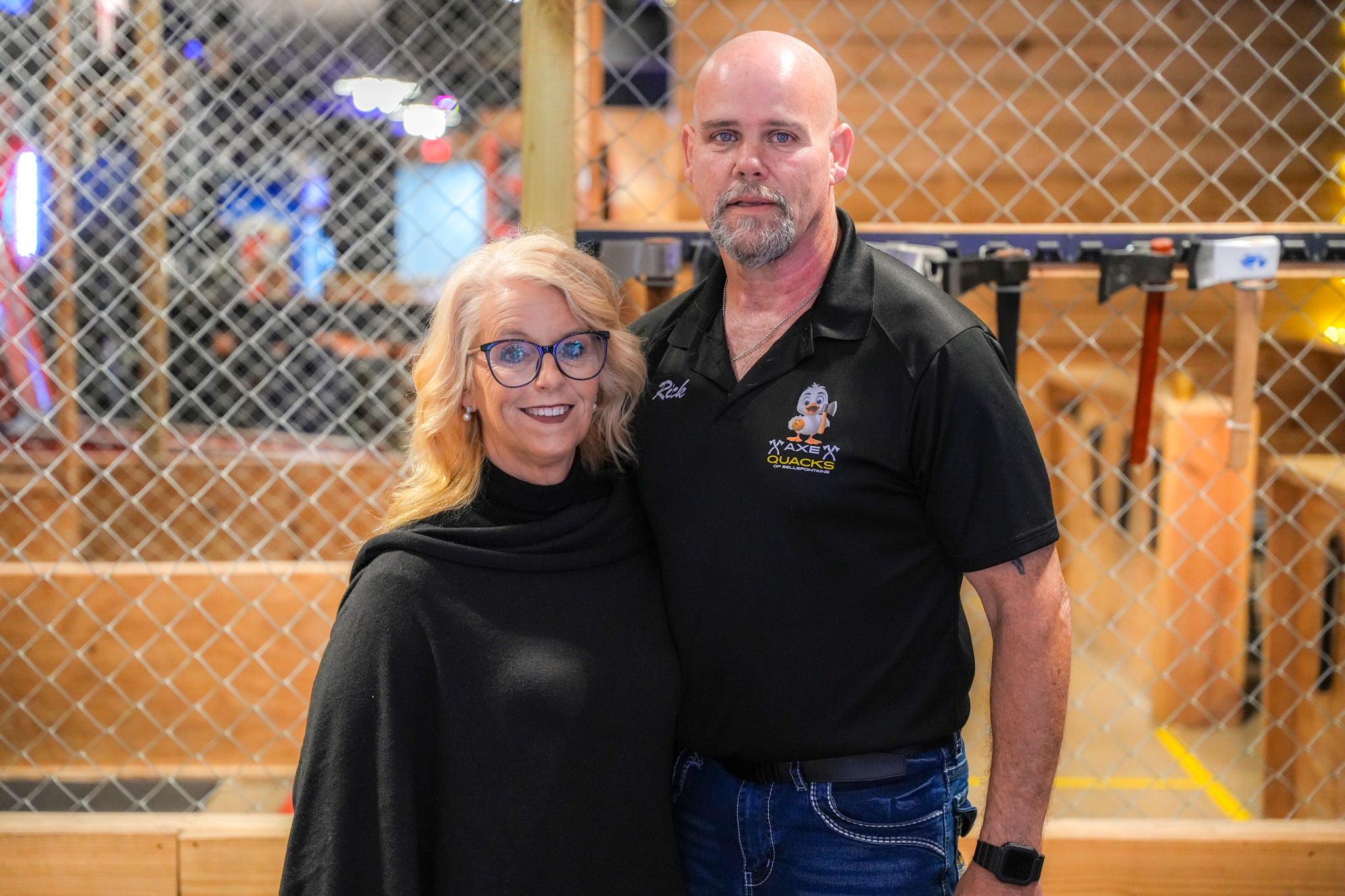
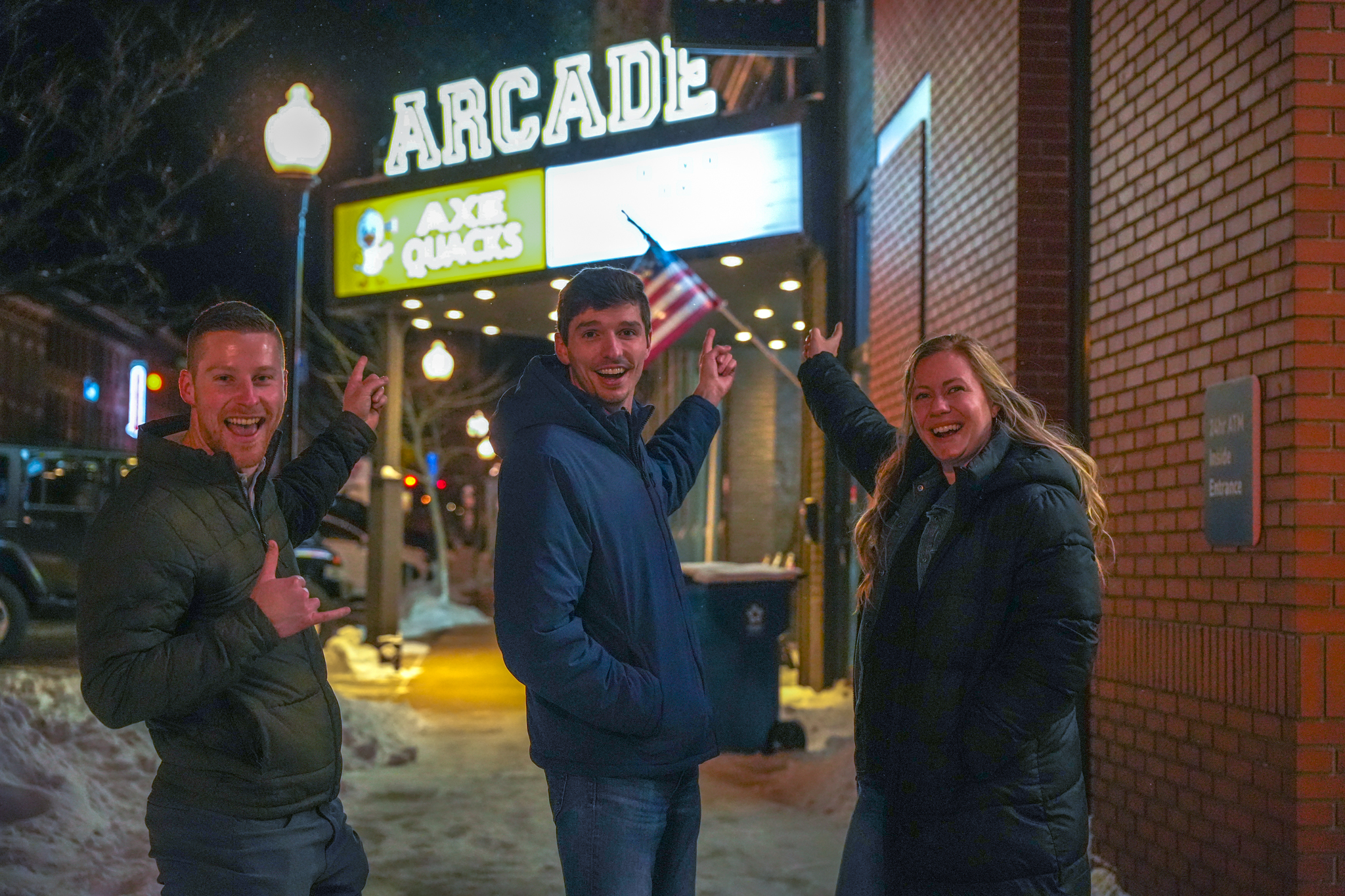
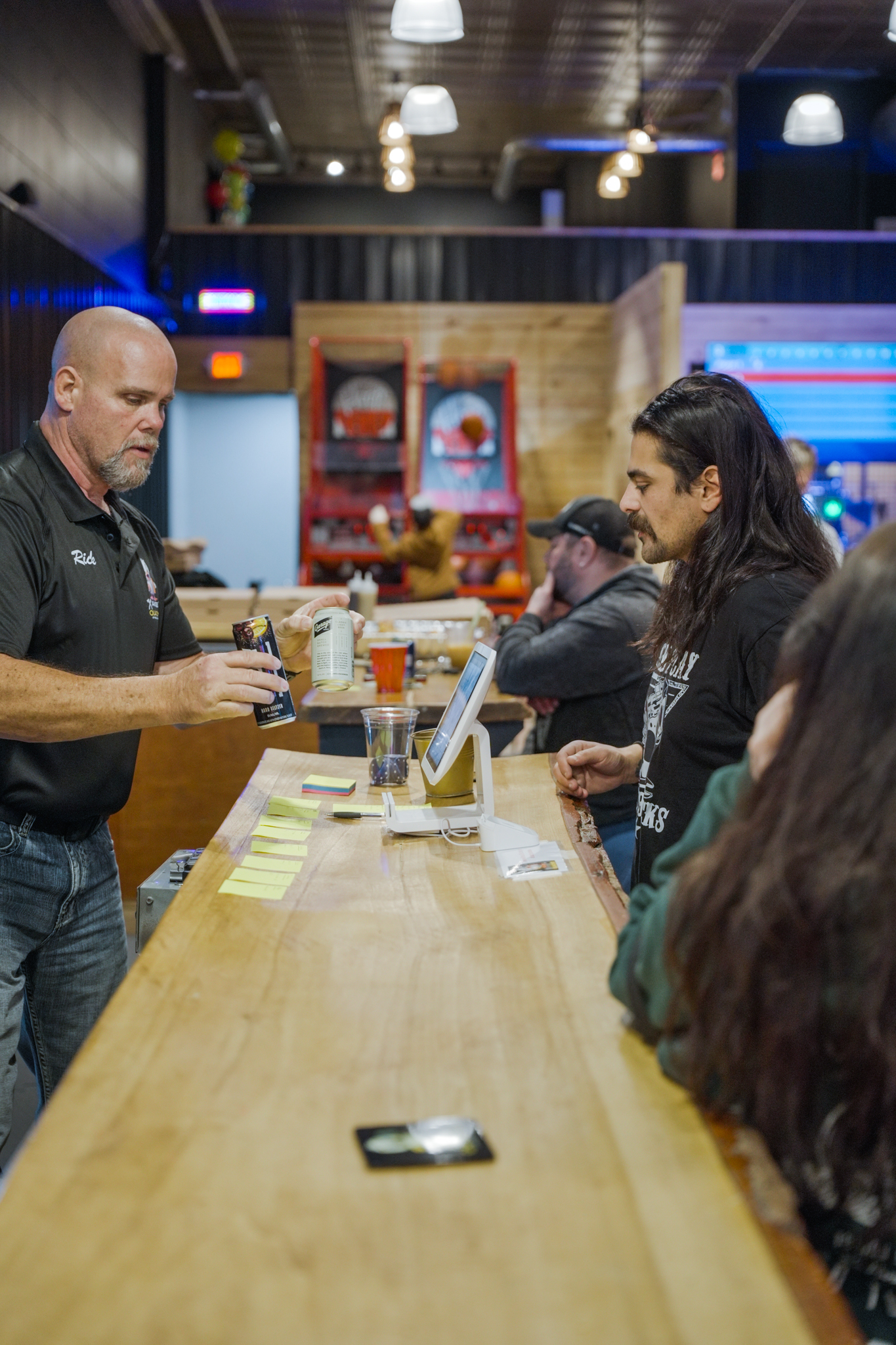
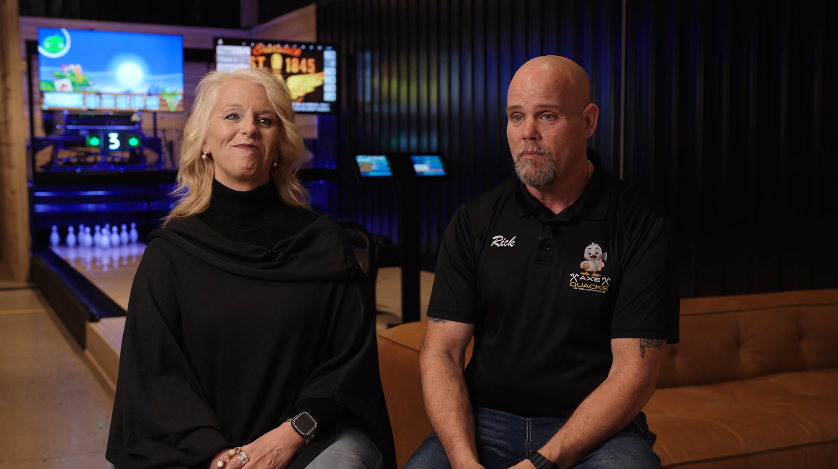
In 2025, the business changed hands and entered a new phase. Rick and Tamara Sheriff purchased the venue and renamed it Axe Quacks. Rather than simply maintain what was already there, they saw an opportunity to expand the concept and create something more welcoming to a broader range of guests.
Rick Sheriff is a Marine Corps veteran, and that identity is an important part of the business. Axe Quacks is proudly veteran-owned, and that ownership story matters in a community like Bellefontaine, where service, discipline, and family values carry real meaning. Rick’s path to ownership was not random. He had already spent time in the space as a customer and later working with the previous operation. The more time he spent there, the more convinced he became that the business could become something bigger.
He and Tamara had fallen in love not just with the building, but with Bellefontaine itself. What started as entertainment outings turned into a deeper belief in the downtown and its momentum. They saw a chance to take a niche concept and turn it into a more complete family entertainment destination.
EXPANDING INTO A TRUE FAMILY ENTERTAINMENT DESTINATION
Rick understood early on that axe throwing alone would not fully unlock the building’s potential. While it remained a strong attraction, it served a narrower audience. To grow the business, they needed to create an environment where more people, especially families, felt comfortable walking in and participating.
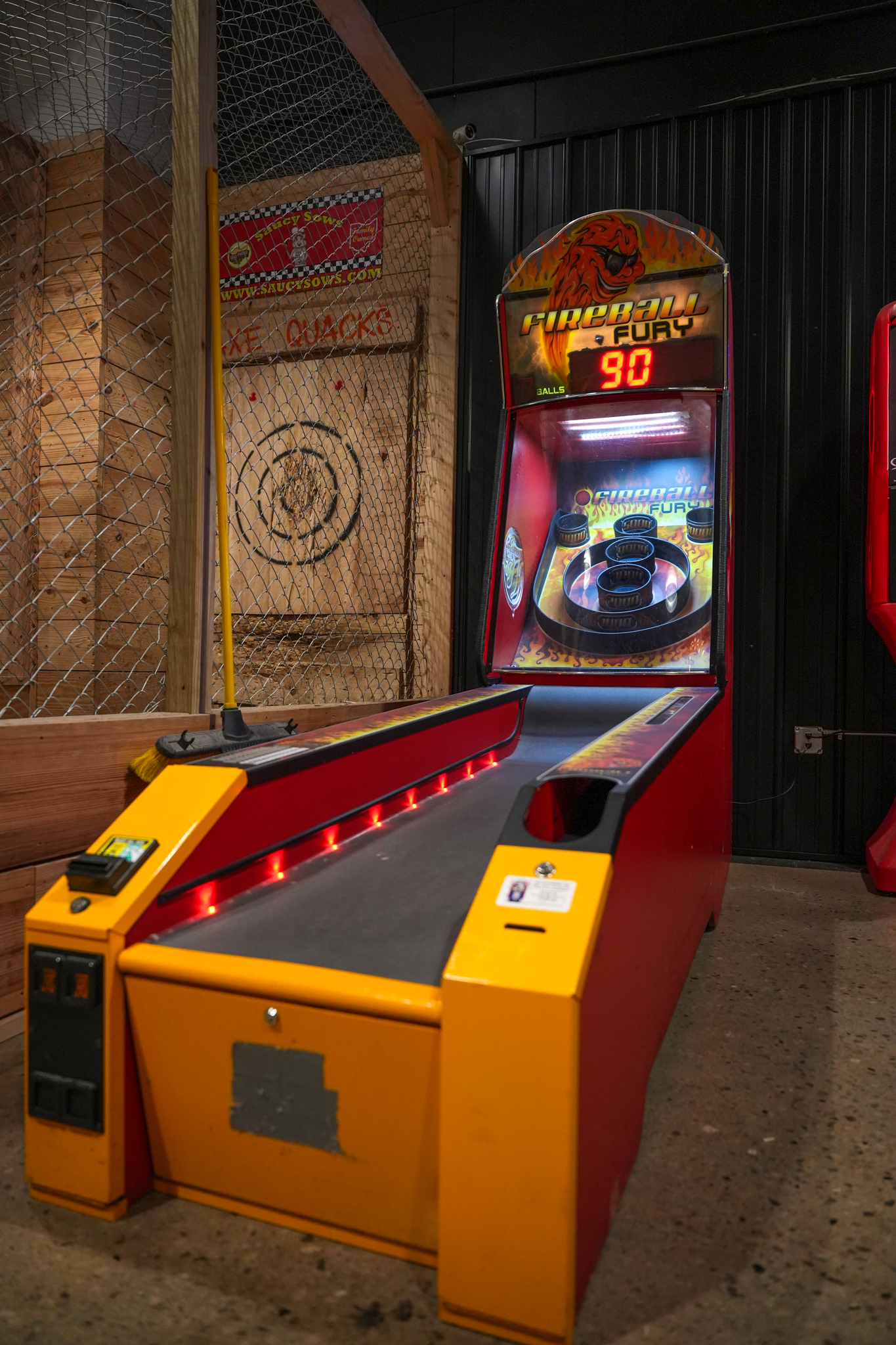
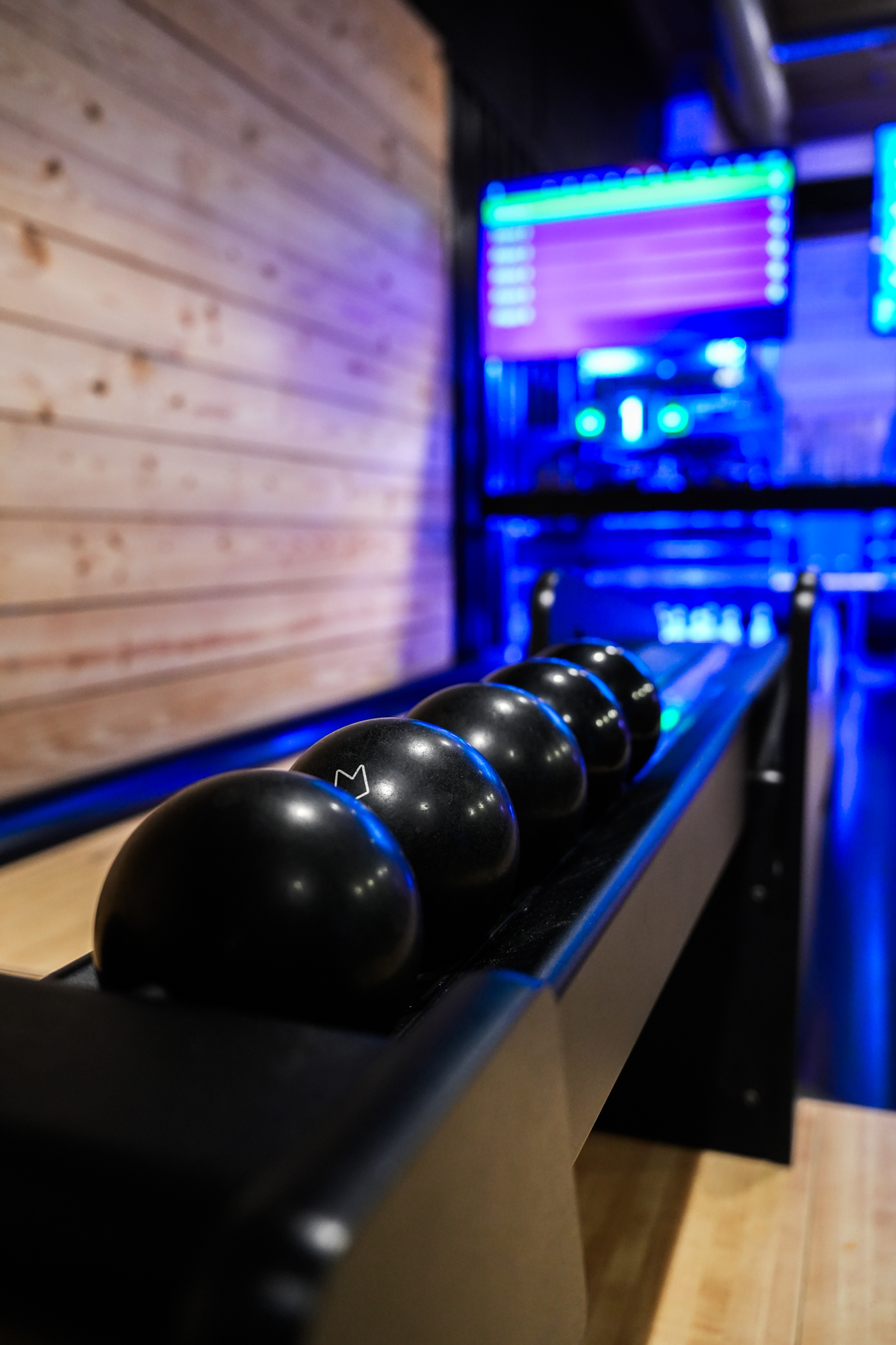
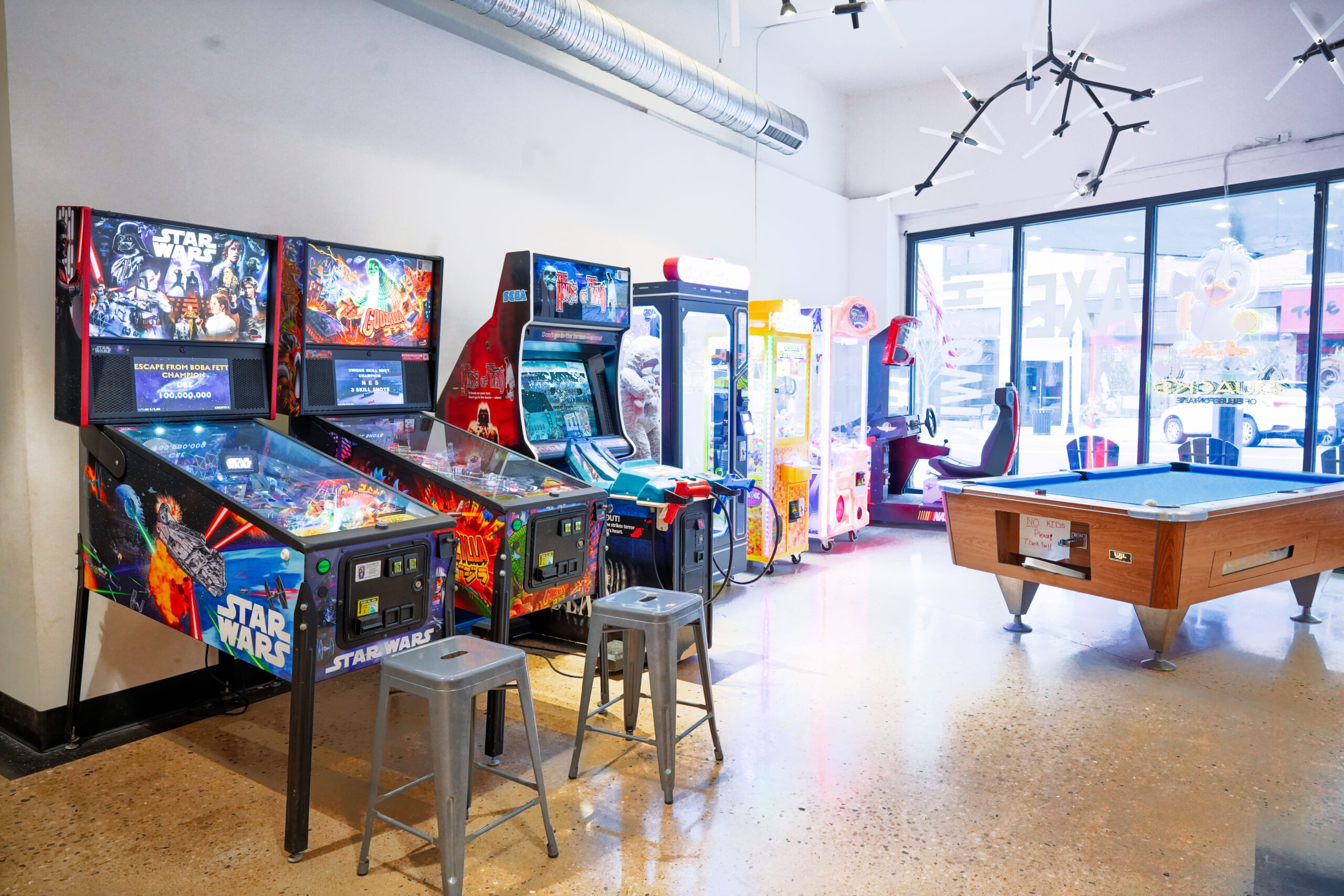
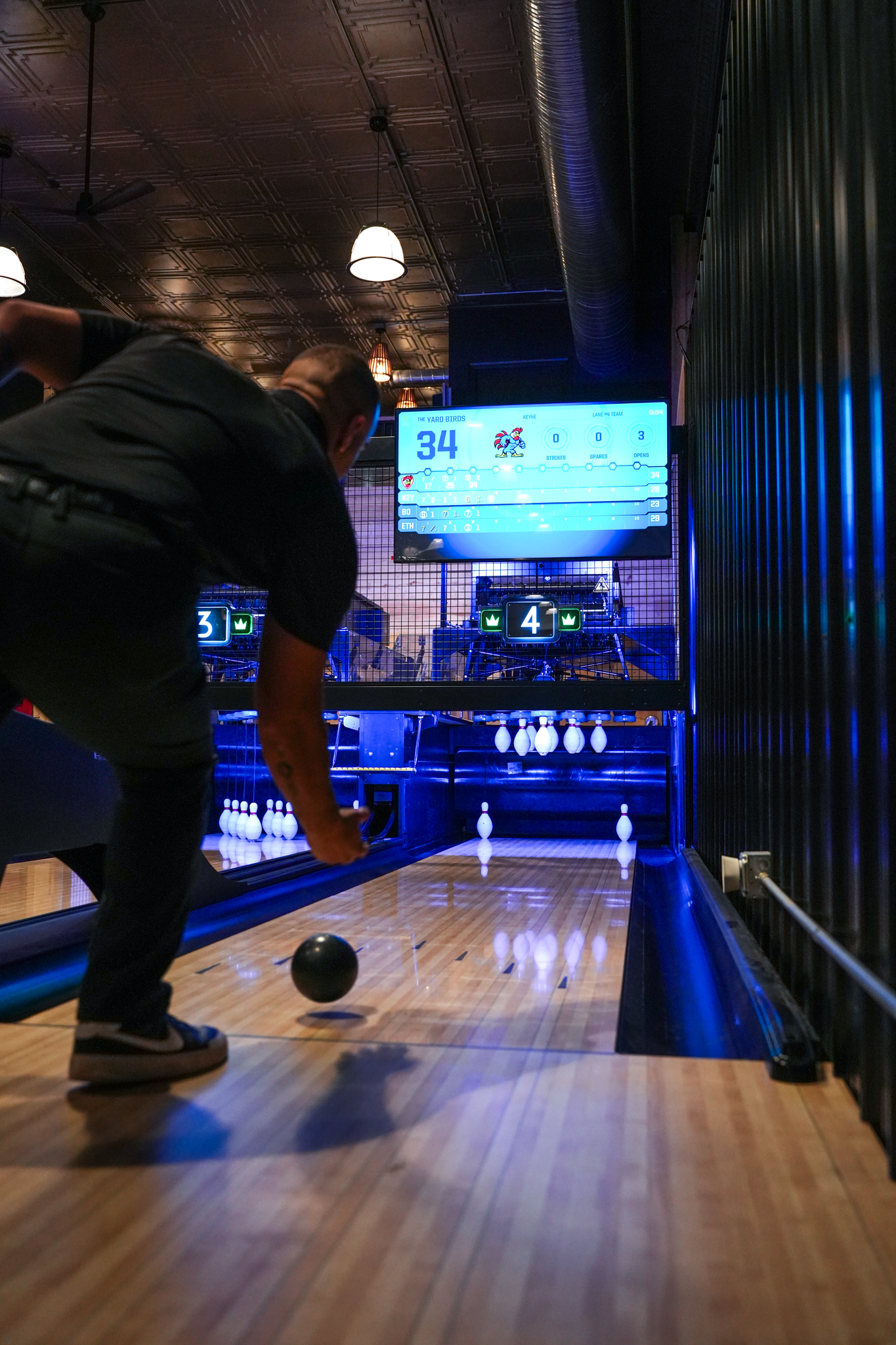
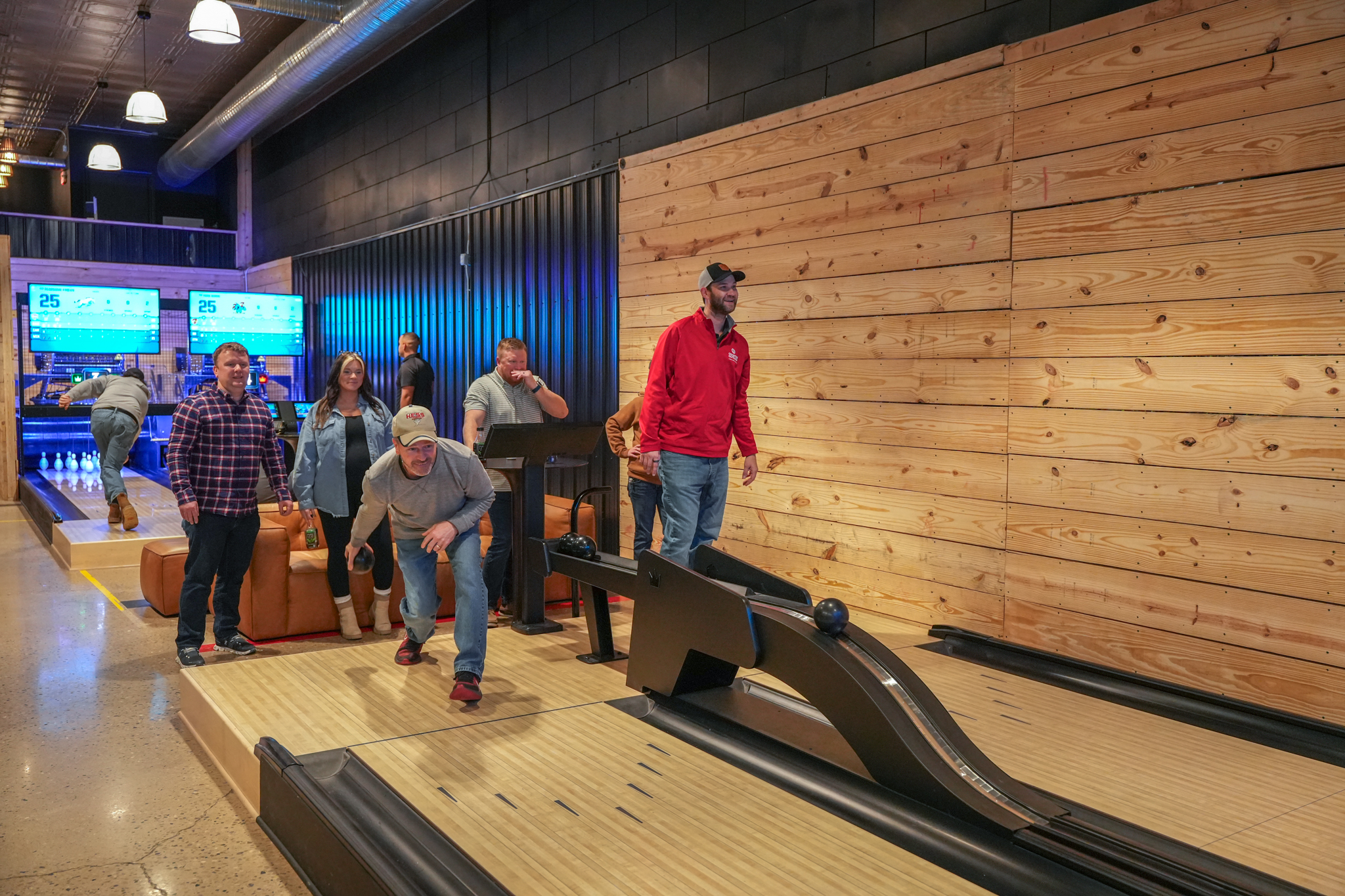
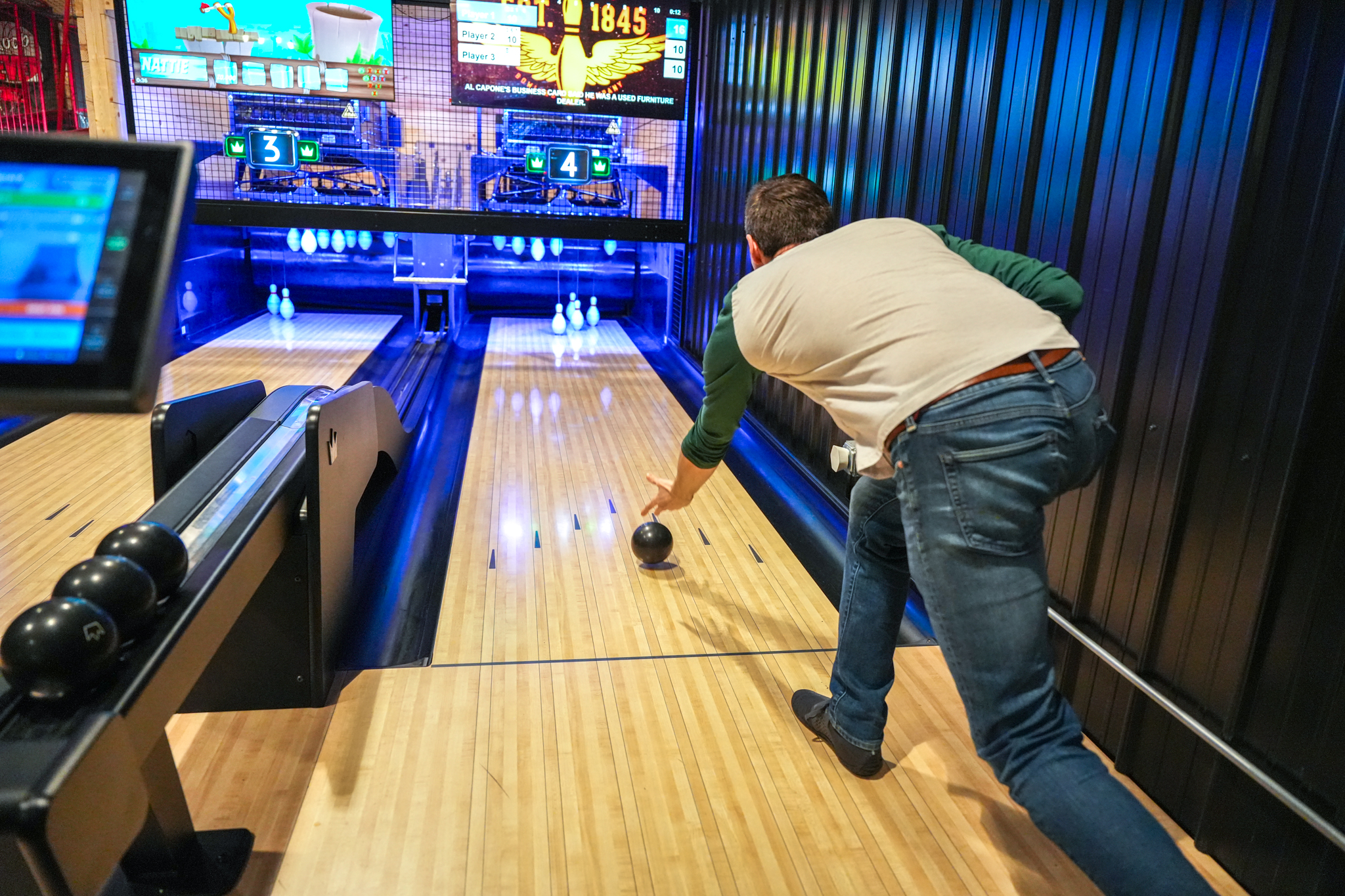
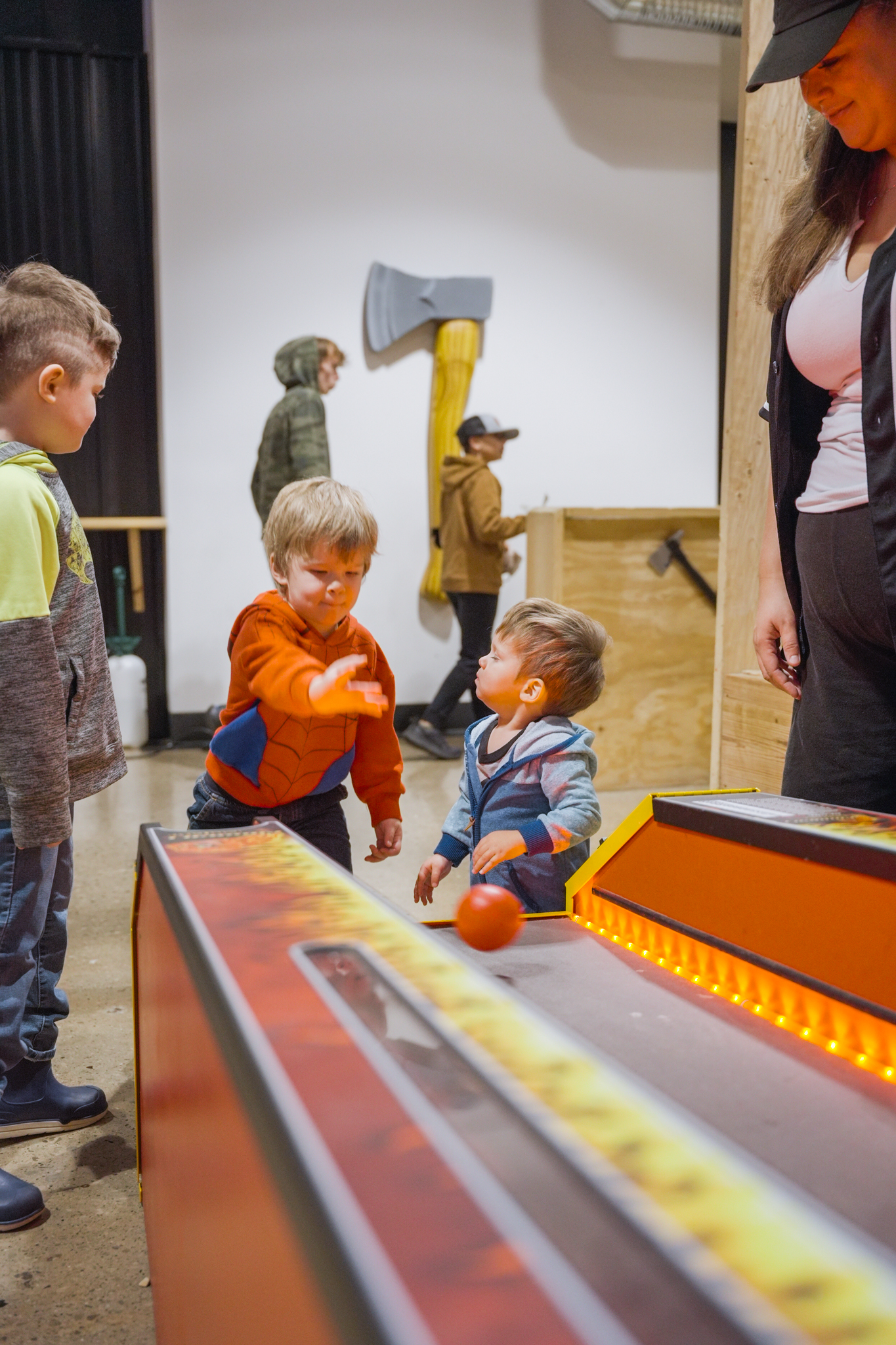
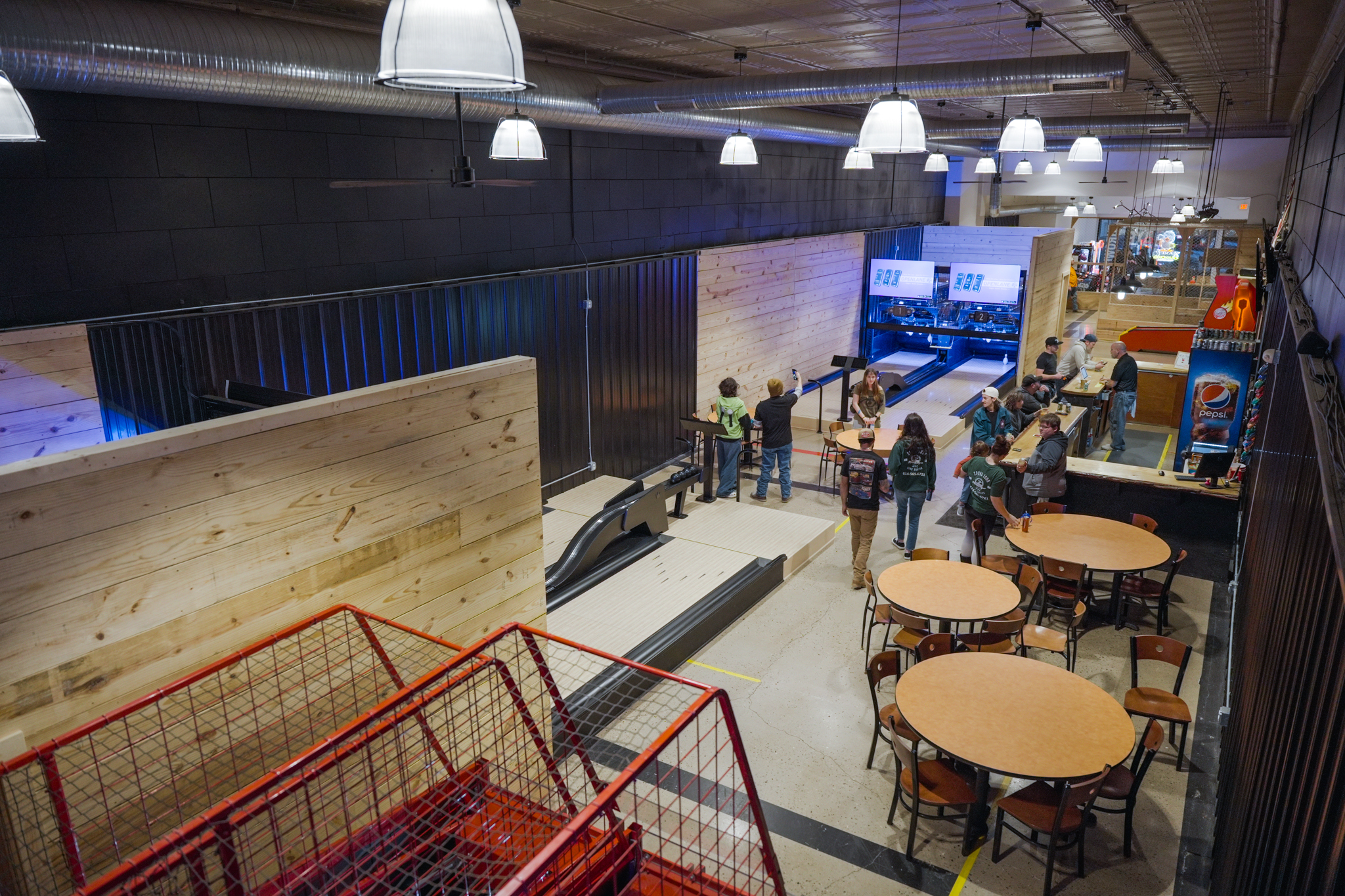
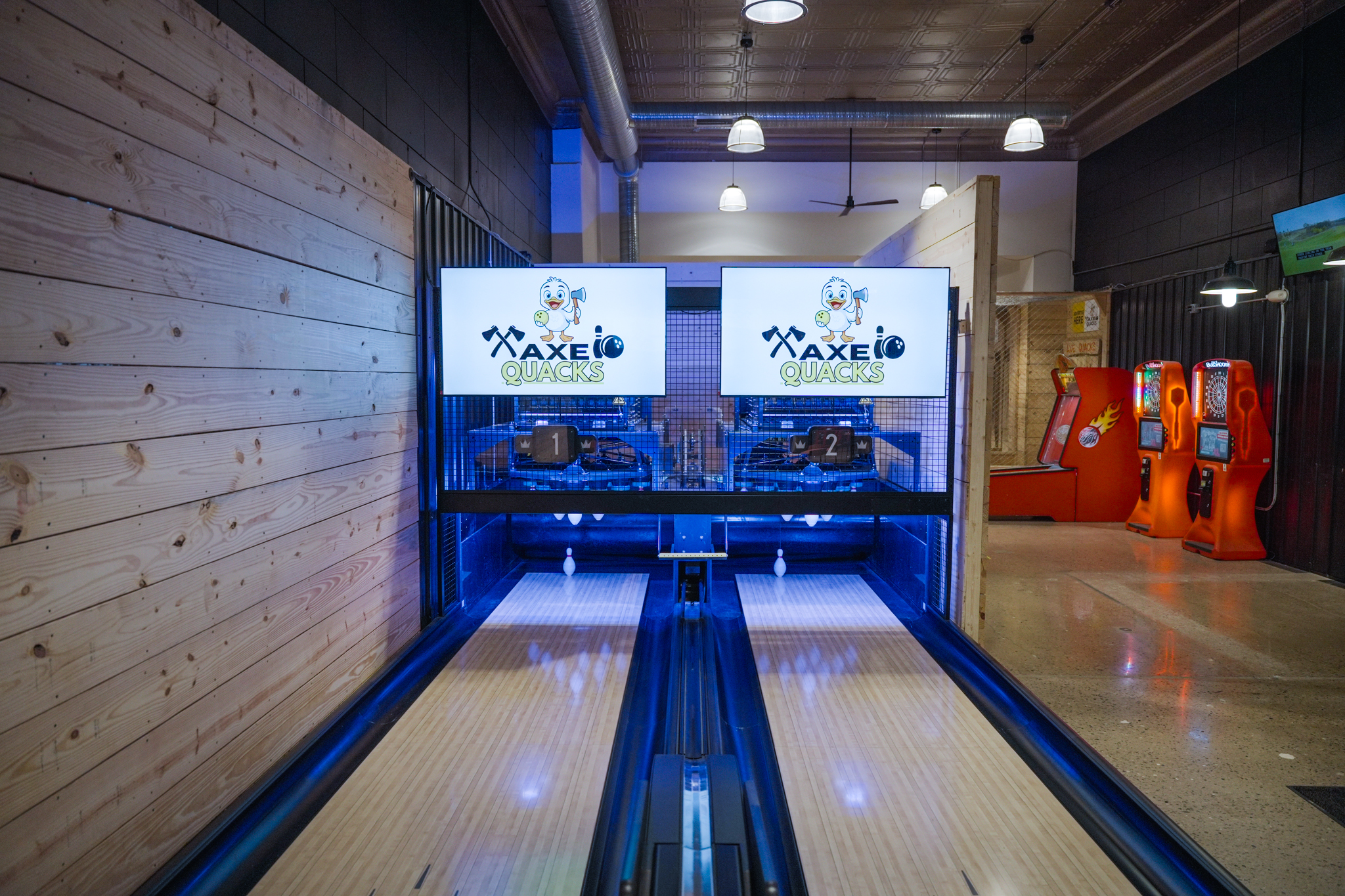
That vision led to the addition of duckpin bowling, arcade games, and a broader entertainment mix, transforming Axe Quacks into a true family entertainment center.
This shift aligns with a much larger national trend. Family entertainment centers have become one of the fastest-growing segments in the experience economy, valued at over $29 billion in 2024 and projected to reach more than $87 billion in the next decade, according to Allied Market Research. These venues thrive because they give people something to do together. Families visit them multiple times per year – often monthly – and typically spend between $50 and $75 per group visit. Teenagers, in particular, are a major driver of repeat visits, drawn to interactive, social, and game-based experiences.
Axe Quacks brings that same model into a small-town downtown setting.
The addition of duckpin bowling plays a major role in that transformation. Unlike traditional bowling, duckpin uses smaller, lighter balls about the size of a grapefruit with no finger holes, making them easy for anyone to pick up and play. The pins are shorter and more difficult to knock down, and players get three rolls per frame instead of two, adding both accessibility and challenge. The format removes many of the barriers that come with traditional bowling. It does not require specialized shoes in many cases, takes up less space, and is immediately approachable for kids, beginners, and older adults alike.
That accessibility is exactly what Rick and Tamara were aiming for. The goal was not just to add another activity, but to remove intimidation and create an environment where everyone from grandparents to young kids could participate together.
The arcade component reinforces that same idea. With a mix of classic and interactive games, it adds another layer of engagement and ensures there is always something for every guest, regardless of skill level or interest.
A VETERAN-OWNED, FAMILY-RUN BUSINESS
One of the defining strengths of Axe Quacks is that it is not just veteran-owned. It is also deeply family-run. Rick and Tamara describe themselves as part of a large family with children and grandchildren who are constantly around the business, using the space, helping out, and reinforcing the idea that this is meant to be a place for all ages.
That family dynamic is important because it shapes the business decisions behind the scenes. The venue was intentionally designed to remove barriers and create a more comfortable experience for the full family. It is not only a place for adult nights out. It is also a place where grandparents, kids, and parents can all participate together.
That broader appeal gives the business a stronger foundation. It also aligns naturally with the needs of Downtown Bellefontaine, which has worked hard to position itself as a place where people can spend several hours, or even a full day, moving from one experience to another.
THE POWER OF “EATERTAINMENT” IN DOWNTOWNS
Axe Quacks also reflects a broader shift in how people choose where to spend their time. Food and beverage alone are no longer enough to drive consistent traffic. Increasingly, customers are choosing destinations based on what they can do, not just what they can eat.
This is where concepts like duckpin bowling and axe throwing become powerful. They fall into a category often referred to as “eatertainment” or competitive socializing: experiences that combine activity, food, and social interaction in one place.
These experiences naturally extend how long people stay. What might have been a quick meal becomes a two- or three-hour visit. Guests arrive early, order food, play games, take breaks, order more drinks, and continue engaging with the space. That extended dwell time translates directly into increased spending and stronger customer loyalty.
For operators, the model is equally compelling. Duckpin bowling requires less space than traditional bowling, fits well into historic downtown buildings, and generates consistent, high-margin revenue through hourly bookings. It is not just an added amenity, it is a core driver of both traffic and revenue.
A BUSINESS MODEL THAT SUPPORTS THE ENTIRE DOWNTOWN
Entertainment venues like Axe Quacks create ripple effects across the entire downtown.
Because axe throwing bays and duckpin bowling lanes are booked by the hour, the business operates in continuous cycles. On busy evenings and weekends, each hour brings in a new group of visitors. That steady rotation keeps people flowing into downtown rather than concentrating activity into a single peak window.
Those visitors do not stay in one place. They move through the district.
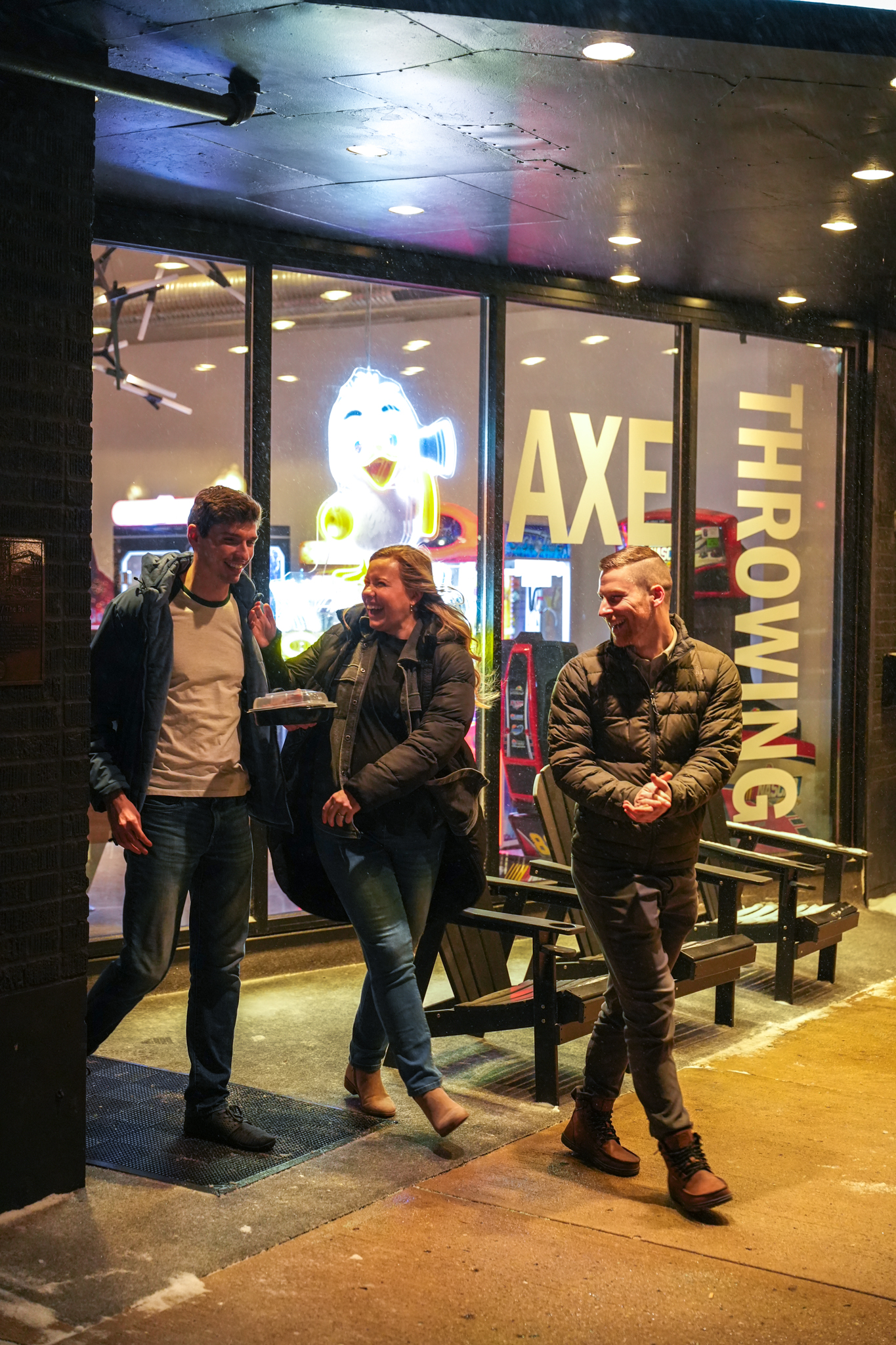
Many arrive early and grab dinner beforehand. Others stay after for drinks or dessert. Some browse nearby retail shops before their reservation time. Axe Quacks has leaned into this dynamic by allowing guests to bring in food from other downtown businesses, reinforcing the idea that success is shared across the district.
They have also partnered directly with Six Hundred Downtown, allowing guests to order pizza that is delivered across the street to Axe Quacks. That kind of collaboration removes friction for customers while strengthening relationships between businesses. It is a simple idea, but one that has a meaningful impact on how dollars circulate locally.
This is one of the clearest examples of how an entertainment anchor can support an entire downtown ecosystem. Axe Quacks is not competing with nearby restaurants, bars, or shops. It is helping feed them.
A DIFFERENT KIND OF DESTINATION
For visitors, Axe Quacks adds another layer to what makes Bellefontaine worth the trip. Downtown already offers restaurants, shopping, coffee, short-term lodging, and seasonal events. Axe Quacks gives those visitors something active and memorable to do once they arrive.
This is especially important for weekends, family outings, and group visits. A downtown that offers only food and shopping will appeal to some guests. A downtown that also offers interactive entertainment becomes much more versatile. It can serve as a date-night destination, a rainyday stop, a birthday outing, a team-building venue, or part of a larger overnight experience.
In that sense, Axe Quacks is not just a tenant in a historic building. It is part of a bigger strategy for how small towns can diversify activity, broaden visitor appeal, and keep commerce circulating after 5:00 p.m.
A MODEL OF REINVESTMENT AND EVOLUTION
The story of Axe Quacks is also a useful case study in business evolution. The original business, Axe Ventura, introduced the concept and established the site as a place for entertainment. The new owners then identified ways to expand the appeal, add new revenue streams, and improve the fit with the market.
That progression matters. Not every business stays exactly as it began. Sometimes the strongest version of a concept comes through new ownership, fresh eyes, and the courage to evolve. Rick and Tamara did not discard the foundation. They built on it. They kept the competitive energy of axe throwing, then layered in duckpin bowling, arcade play, and a stronger family focus.
That kind of adaptive growth is often what makes businesses sustainable in small towns.
WHY IT MATTERS
Axe Quacks shows what happens when local ownership, historic real estate, and smart reinvestment come together. A once-vacant theatre building now draws families, visitors, and groups into downtown for an experience they cannot get everywhere. It helps nearby restaurants, bars, and shops. It gives Bellefontaine another reason to stand out. And it reflects the values of the people behind it: service, family, fun, and community.
For small towns looking to strengthen their downtowns, businesses like Axe Quacks and other family entertainment centers offer a powerful lesson. Entertainment venues are not just extras. When designed and operated well, they are traffic drivers, ecosystem builders, and major contributors to the overall visitor experience.
In Downtown Bellefontaine, Axe Quacks has become exactly that: a veteran-owned business with a big personality, a strong local story, and an outsized impact on the life of the district.