IDENTIFYING A GAP IN THE TRADITIONAL RETAIL MODEL
The concept for Proof. Pop-Up Shop grew out of a recurring challenge Small Nation encountered while working in Downtown Bellefontaine and other small towns: time and again, entrepreneurs expressed interest in opening a storefront but hesitated when faced with long‑term leases, build‑out costs, and the financial risk of committing to a permanent location before knowing whether their idea would succeed. Many of these business owners already had products, online shops, or service offerings, but lacked a realistic way to test their concept in a physical retail environment.
Small Nation recognized that this gap was limiting entrepreneurship and slowing downtown activation. Traditional retail models often favor established businesses, leaving little room for experimentation. Proof. was developed to address that gap by offering a short‑term, low‑risk path into brick‑and‑mortar retail that allowed ideas to be tested, refined, and validated before larger commitments were made.
DEVELOPING THE CONCEPT AND CHOOSING THE RIGHT LOCATION
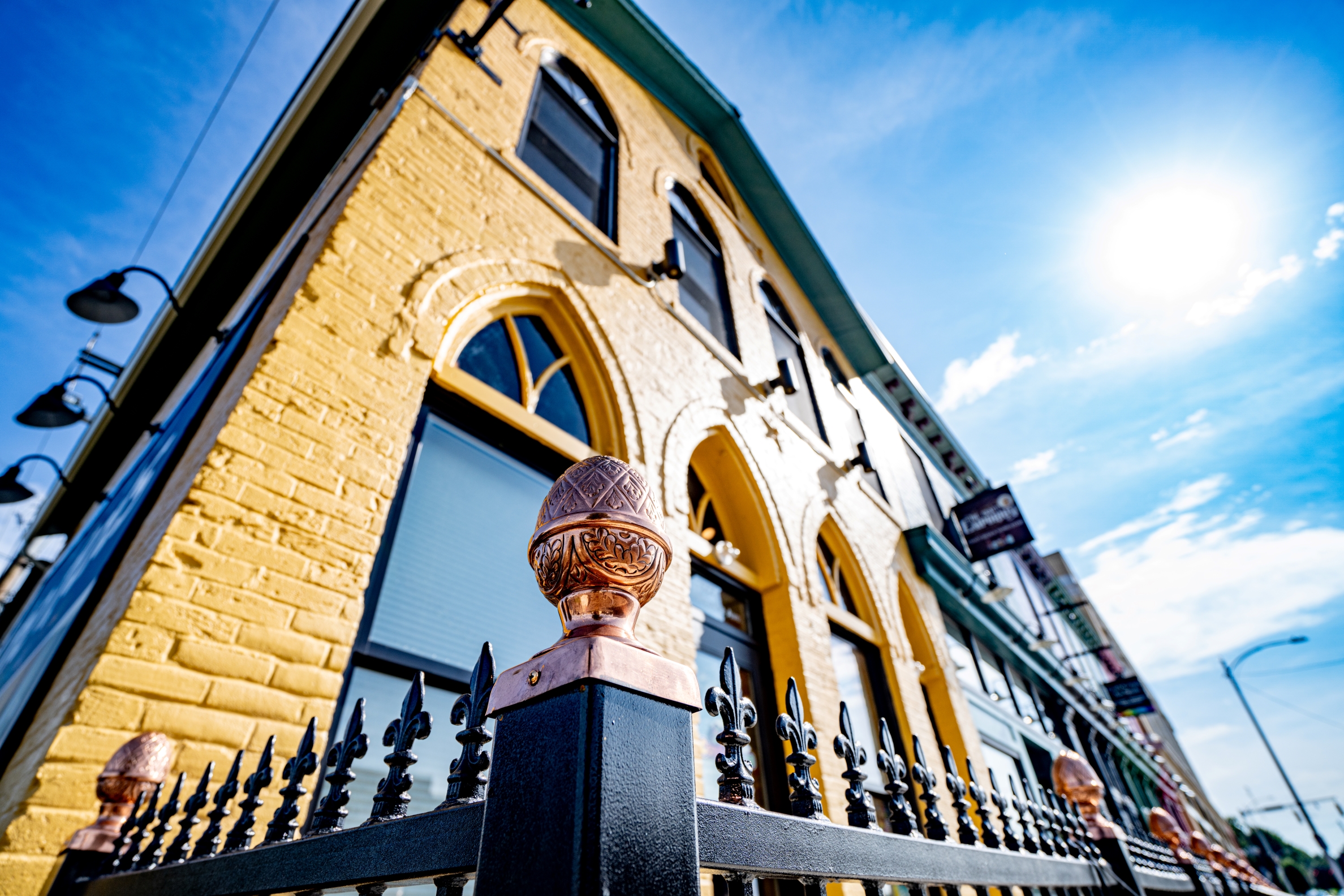
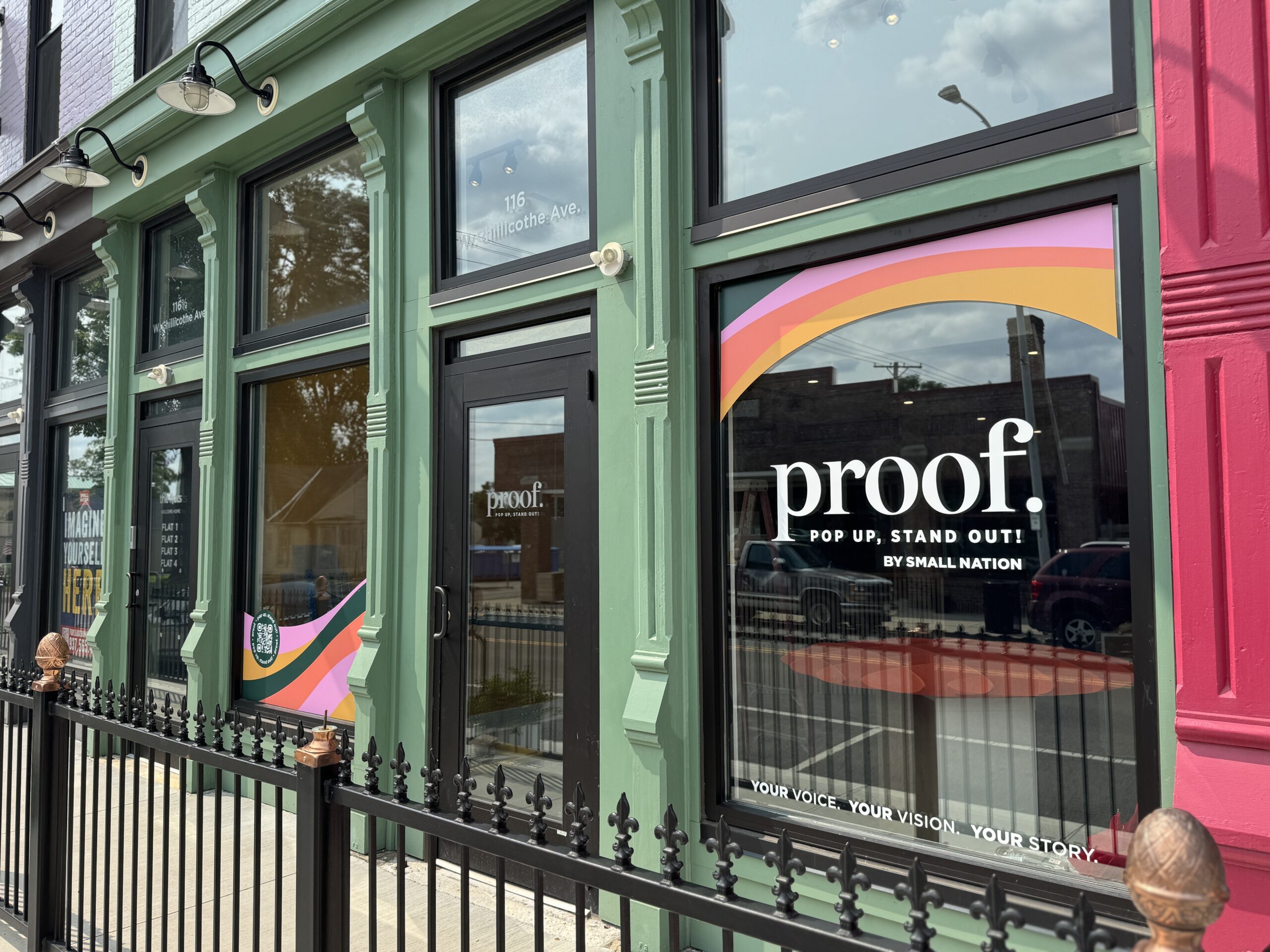
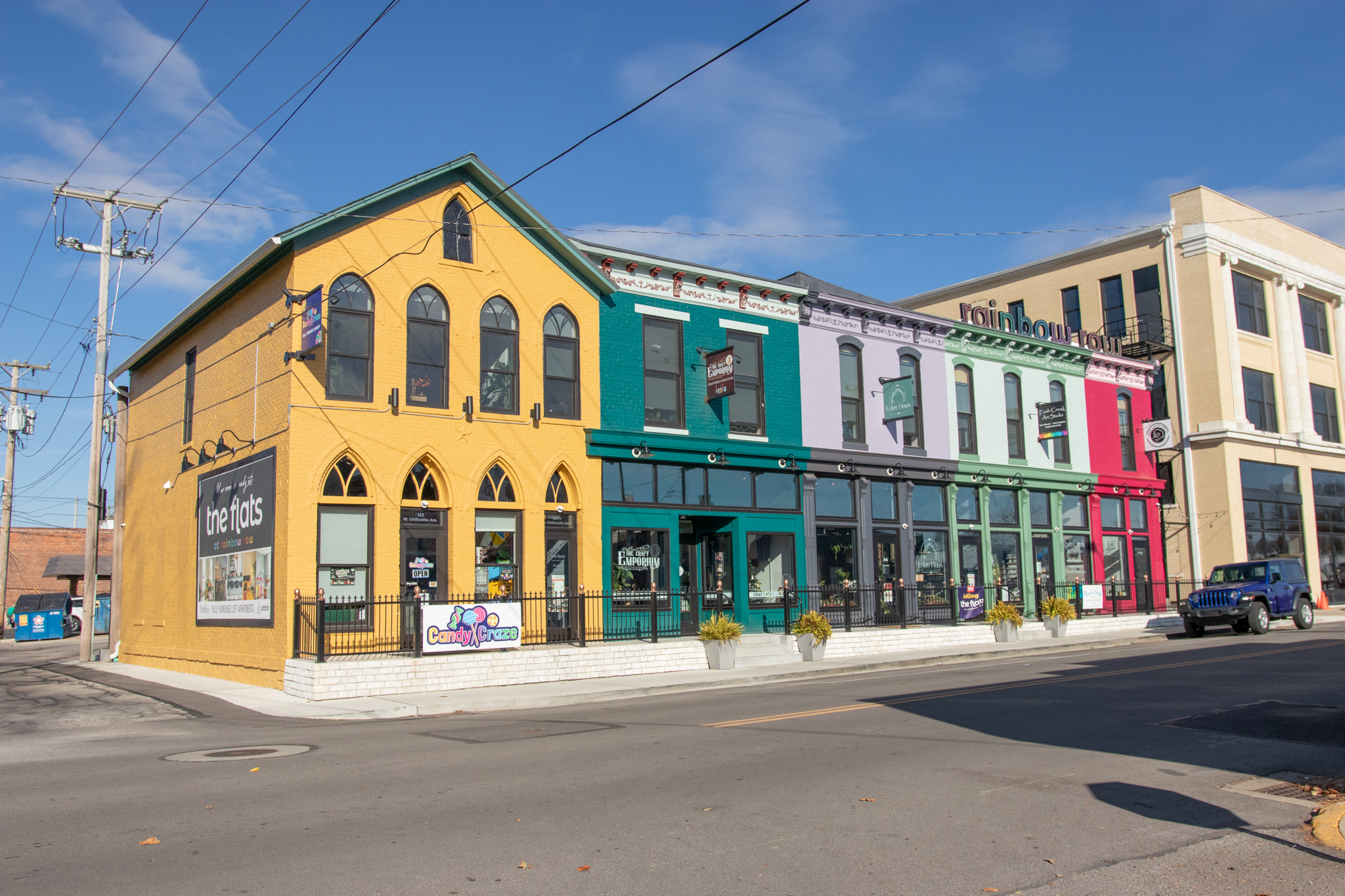
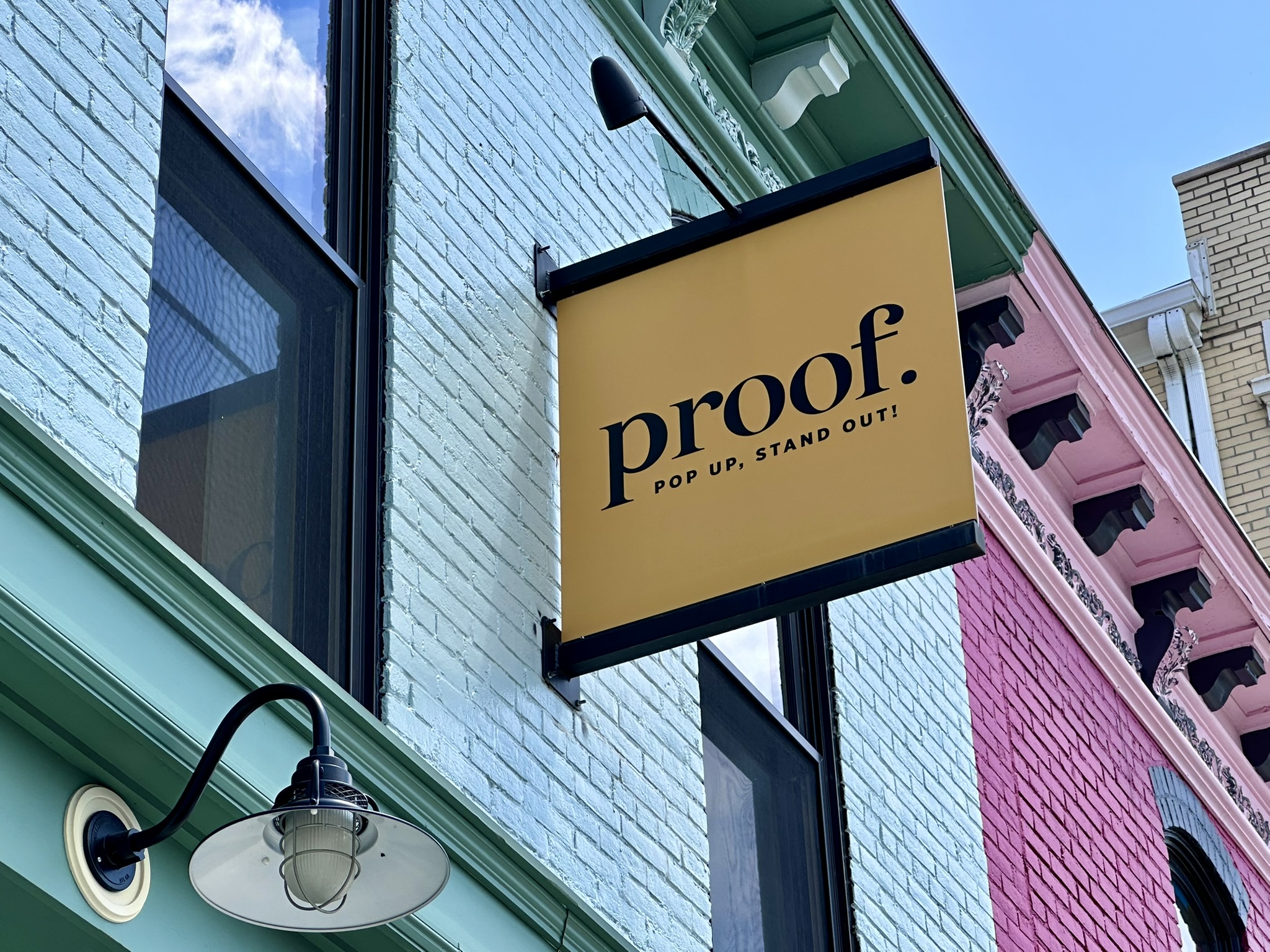
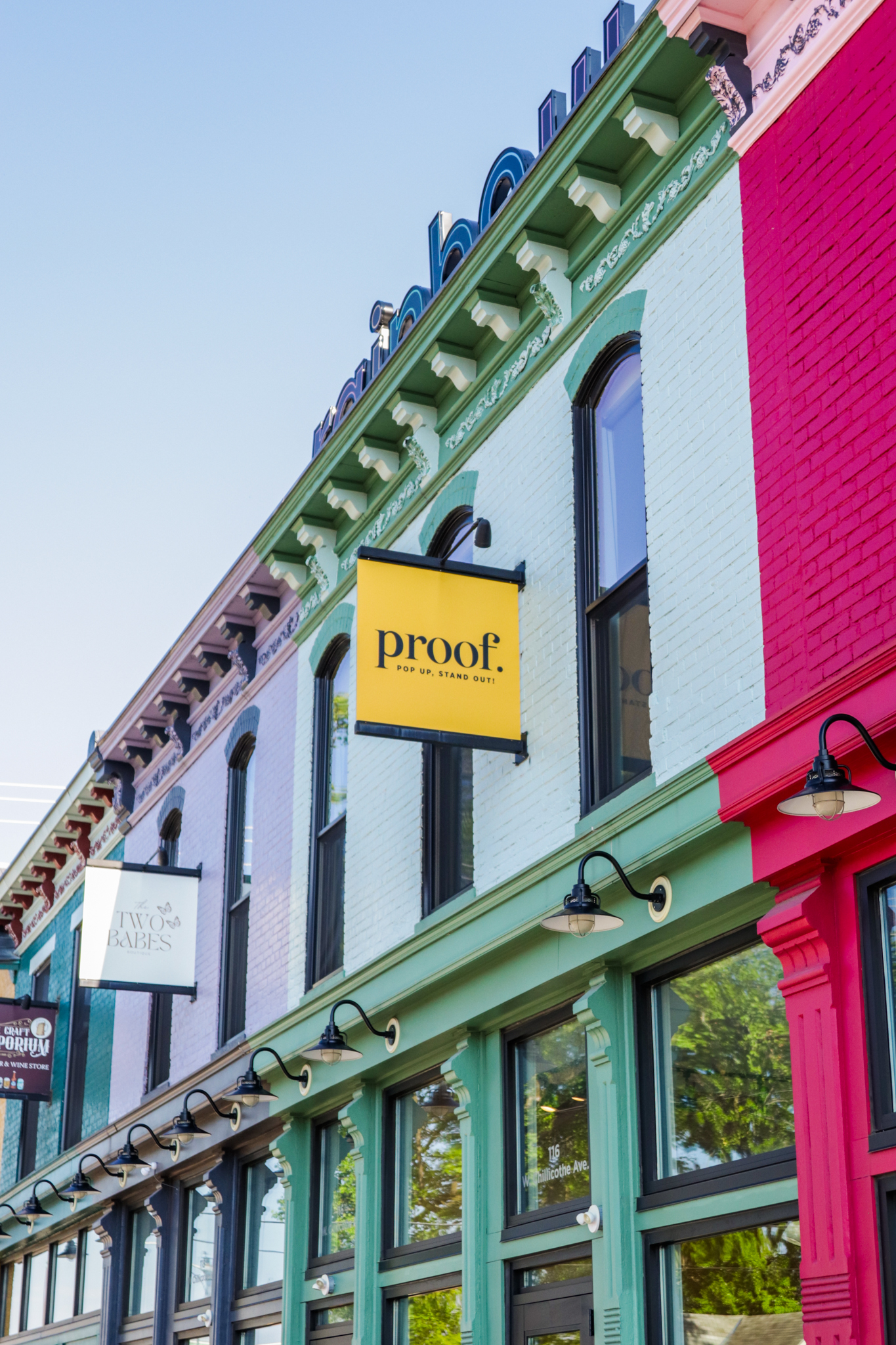
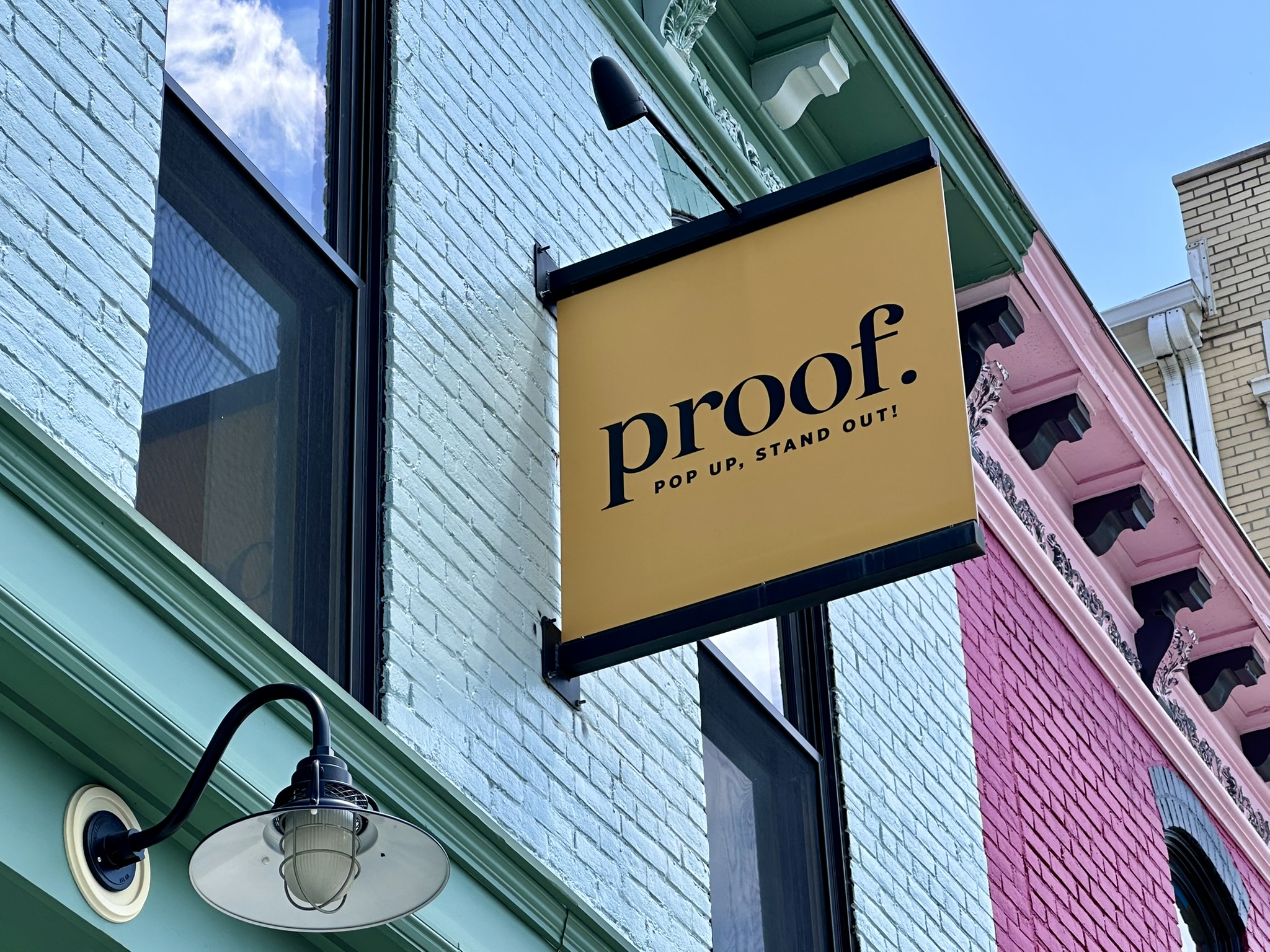
Turning the idea into reality required careful consideration of location, layout, and operations. Small Nation identified Rainbow Row Bellefontaine as the ideal setting for a pop‑up retail concept due to its high visibility, strong pedestrian traffic, nearby free public parking, and mix of complementary businesses. The storefront at 116 West Chillicothe Avenue provided a street‑level presence in one of downtown’s most active and recognizable blocks.
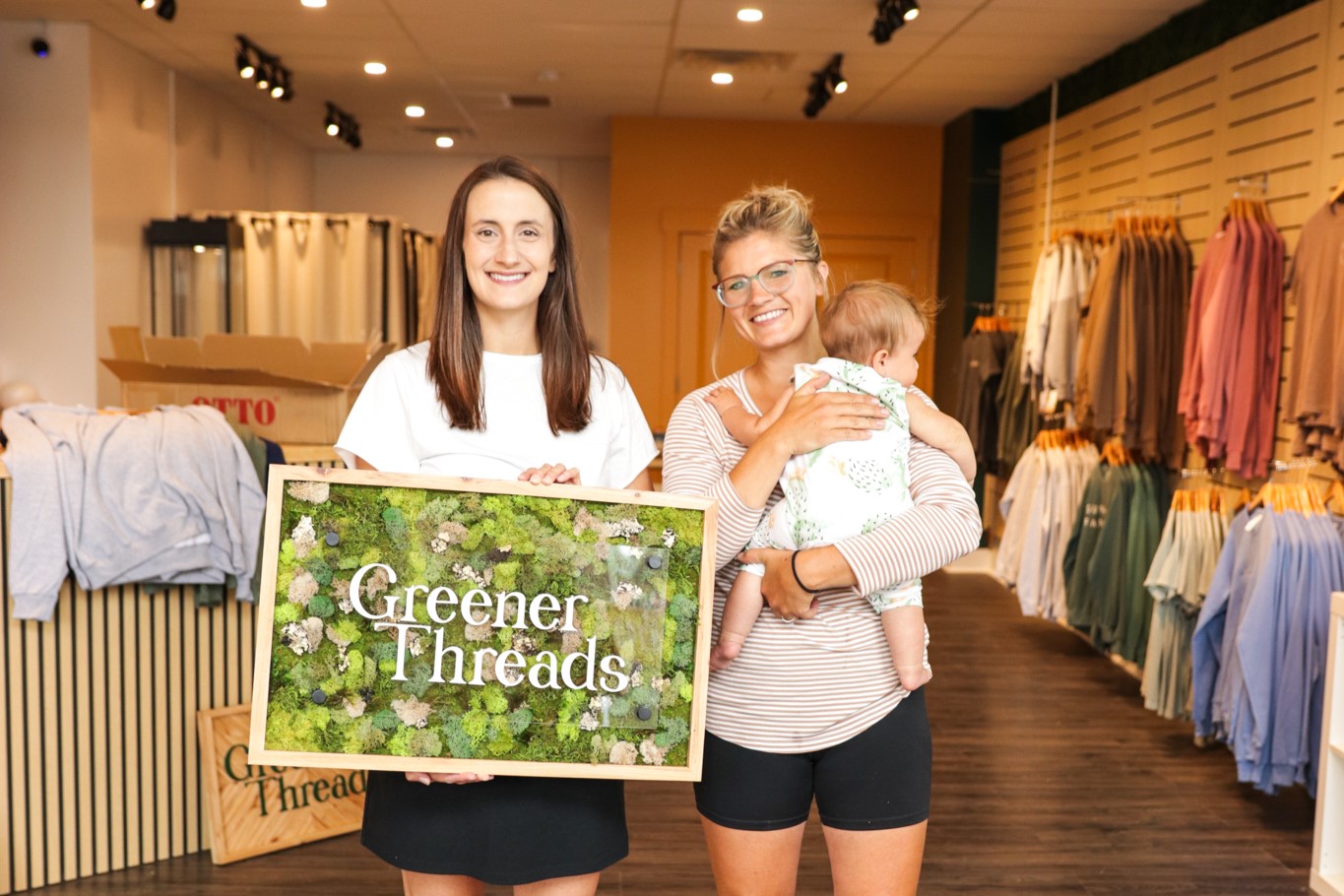
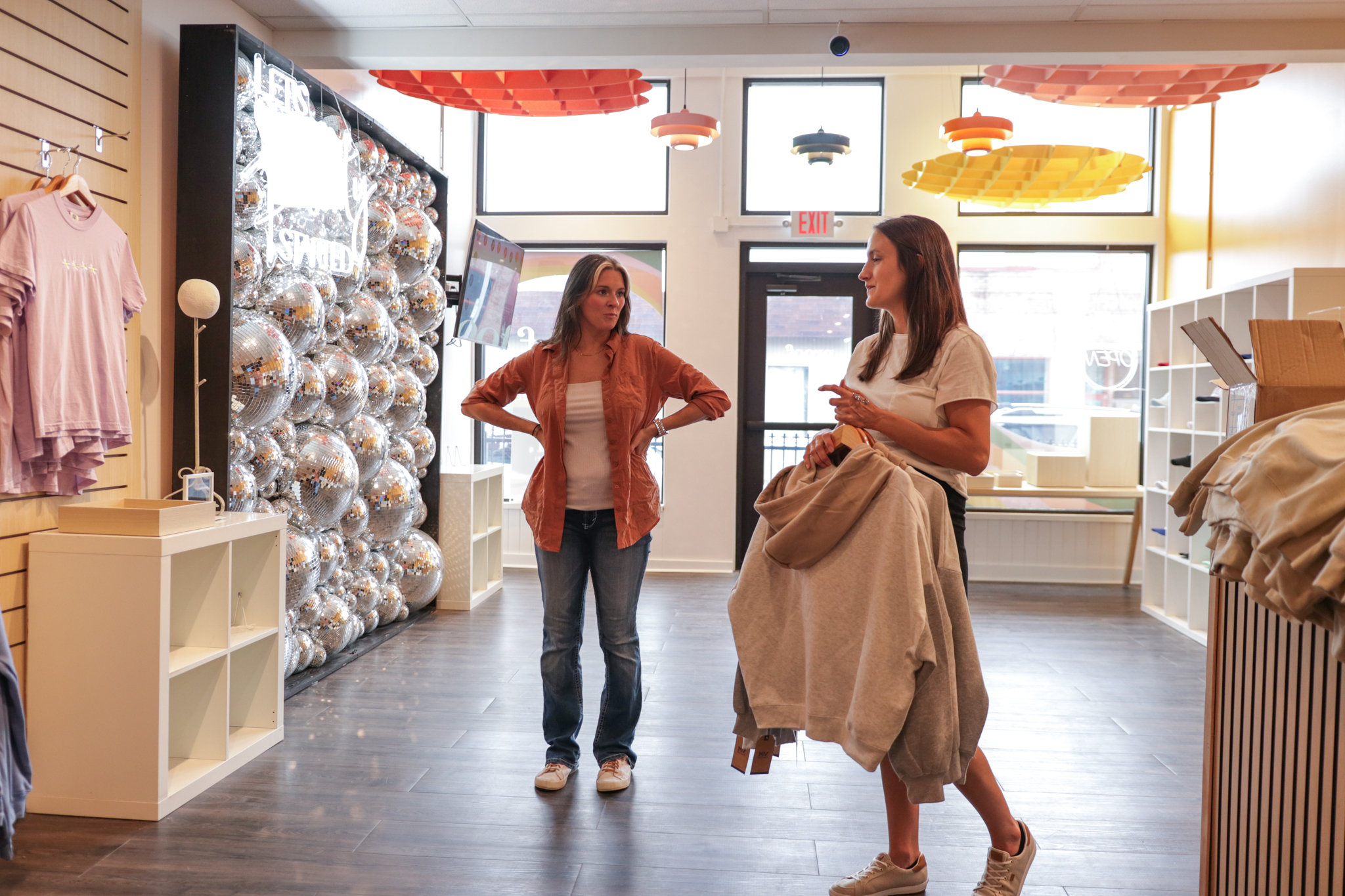
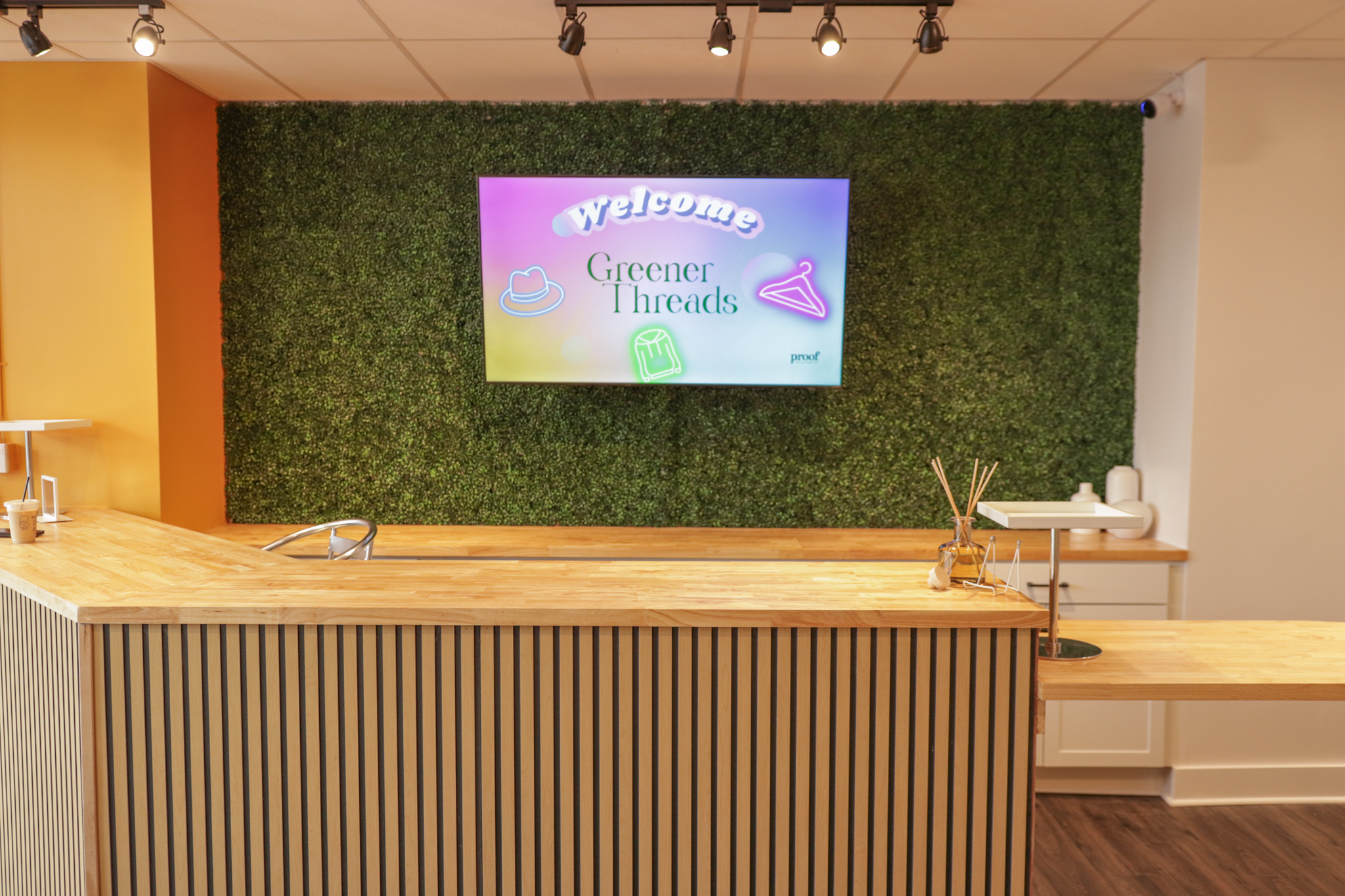
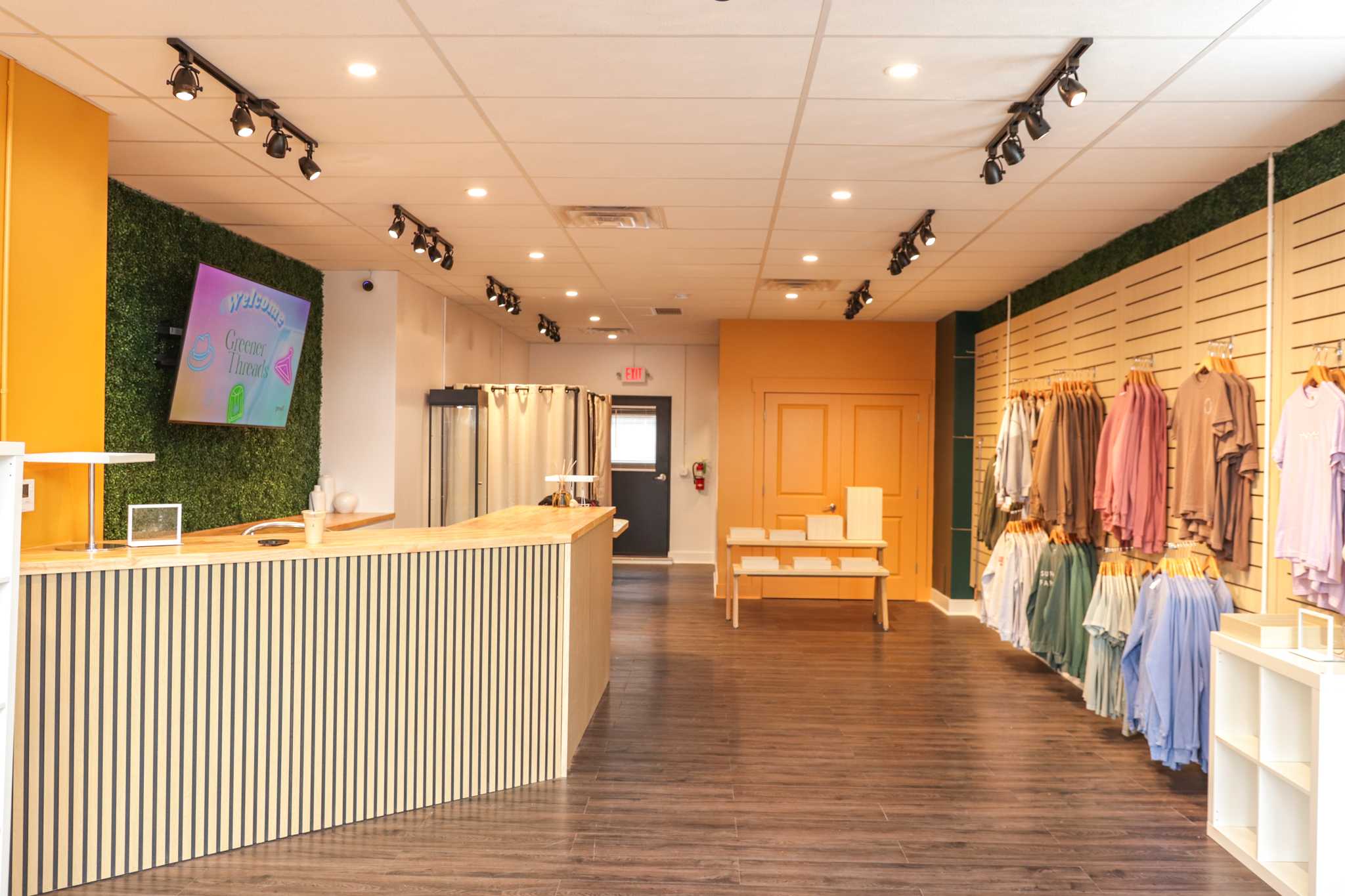
The interior of the space was designed with flexibility in mind. Rather than tailoring the build‑out to one type of business, Proof. was outfitted to support a wide range of vendors. The space was fully furnished and move‑in ready, eliminating the need for tenants to invest in fixtures, utilities, or technology. Retail displays, storage space, checkout areas, Wi‑Fi, and utilities were included so tenants could focus on selling and engaging customers instead of logistics.
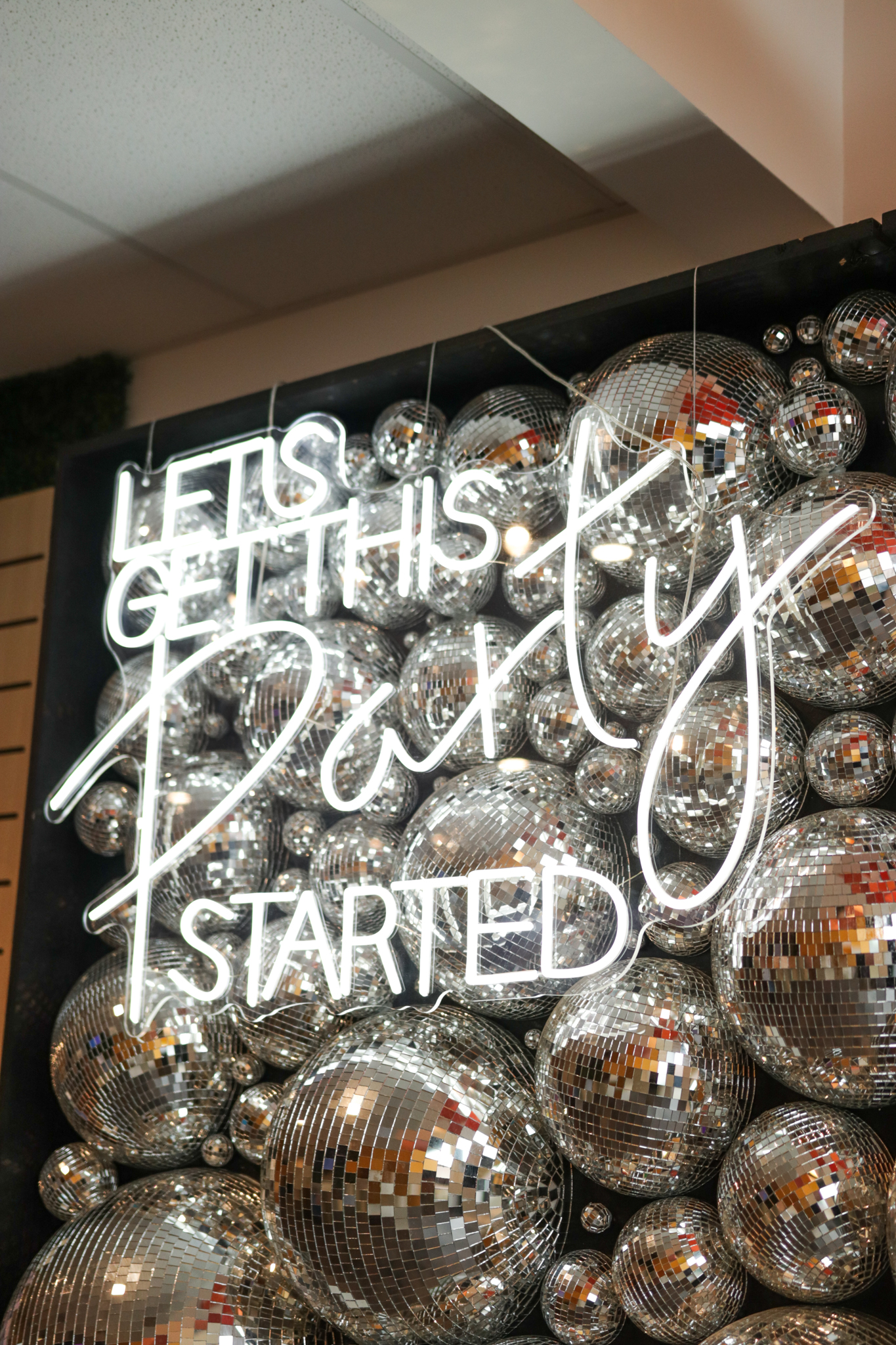
Equally important was the customer experience. The storefront was designed to feel modern, inviting, and social‑media friendly. Elements such as digital screens for branding and a visually distinctive selfie wall helped create an environment that encouraged visitors to linger, share, and return.
STRUCTURING A FLEXIBLE LEASING MODEL
Proof. operates on short‑term leases of one, two, or three months. This structure allows entrepreneurs to enter the market quickly and exit without long‑term obligation. Monthly rent includes utilities, internet, and access to all fixtures, keeping costs predictable and transparent. Peak shopping months carry slightly higher rates to reflect increased foot traffic and seasonal demand, particularly during the holiday season.
This leasing approach allows businesses to test products, pricing, merchandising, and customer response in real time. For many tenants, Proof. serves as a first step into physical retail, while for others it functions as a temporary extension of an existing business or a seasonal sales opportunity. The short‑term format encourages experimentation while maintaining professionalism and consistency within the downtown environment.
SUPPORTING TENANTS BEYOND THE SPACE
Proof. was intentionally designed to offer more than just square footage. Each tenant receives built‑in promotional support, including a socialmedia introduction to help drive awareness and foot traffic from day one. Optional marketing resources, such as professional photography and press outreach, were built into the model to help entrepreneurs maximize the value of their time in the space.
By combining physical infrastructure with marketing and visibility, Proof. helps businesses gain confidence and momentum. Tenants leave with more than sales revenue; they gain real‑world experience operating a storefront, engaging customers, and refining their brand in a live environment.
HOLIDAY ACTIVATION AND SHARED POP‑UP WEEKENDS
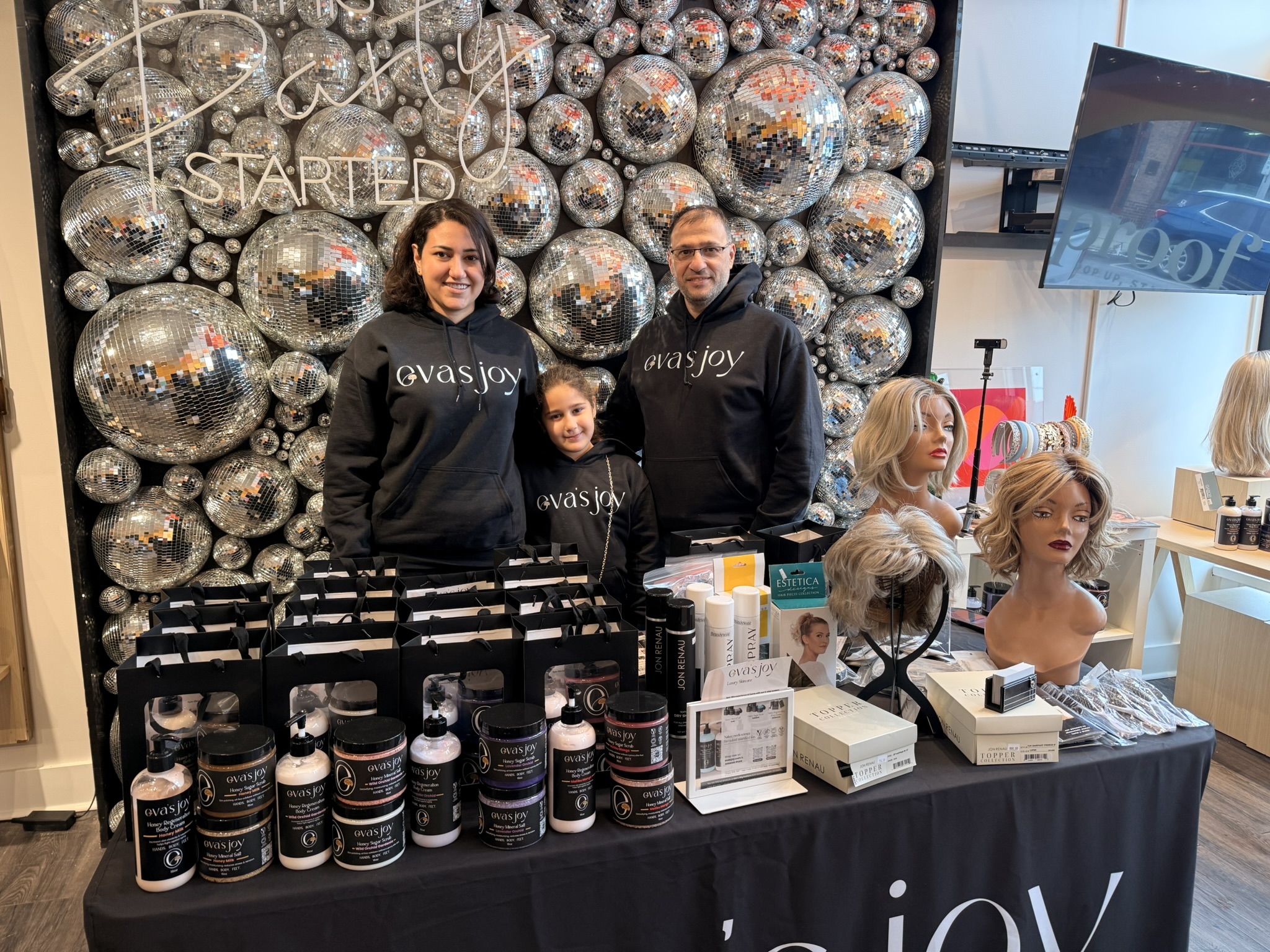
One of Proof.’s most successful periods has been the holiday season. Recognizing the importance of November and December for small vendors, Small Nation adapted the space to host multiple small businesses on weekends rather than a single monthly tenant. This approach allowed more entrepreneurs to access the space during a critical retail window while creating a dynamic, market‑style shopping experience for customers.
These shared pop‑up weekends brought new energy to Rainbow Row, attracted repeat visitors, and gave vendors exposure they would not have otherwise achieved on their own. The format also demonstrated how flexible retail spaces can be adjusted to meet seasonal demand while maximizing community impact.
Proof. has already shown how a thoughtfully designed pop‑up model can activate storefronts, support entrepreneurship, and strengthen downtown ecosystems. The space has generated consistent interest from makers, retailers, and service‑based businesses, many of whom are exploring permanent locations or expanded operations as a result of their experience.
For communities seeking to encourage business formation and reduce vacancy, Proof. offers a replicable framework. By lowering risk, simplifying entry, and providing built‑in support, pop‑up retail can become a powerful tool for economic development. Proof. demonstrates that when small towns create room for experimentation, they create pathways for long‑term growth.
As Bellefontaine continues to refine the model, Proof. stands as a working example of how strategic flexibility and intentional design can unlock entrepreneurial potential and bring new life to downtown districts.