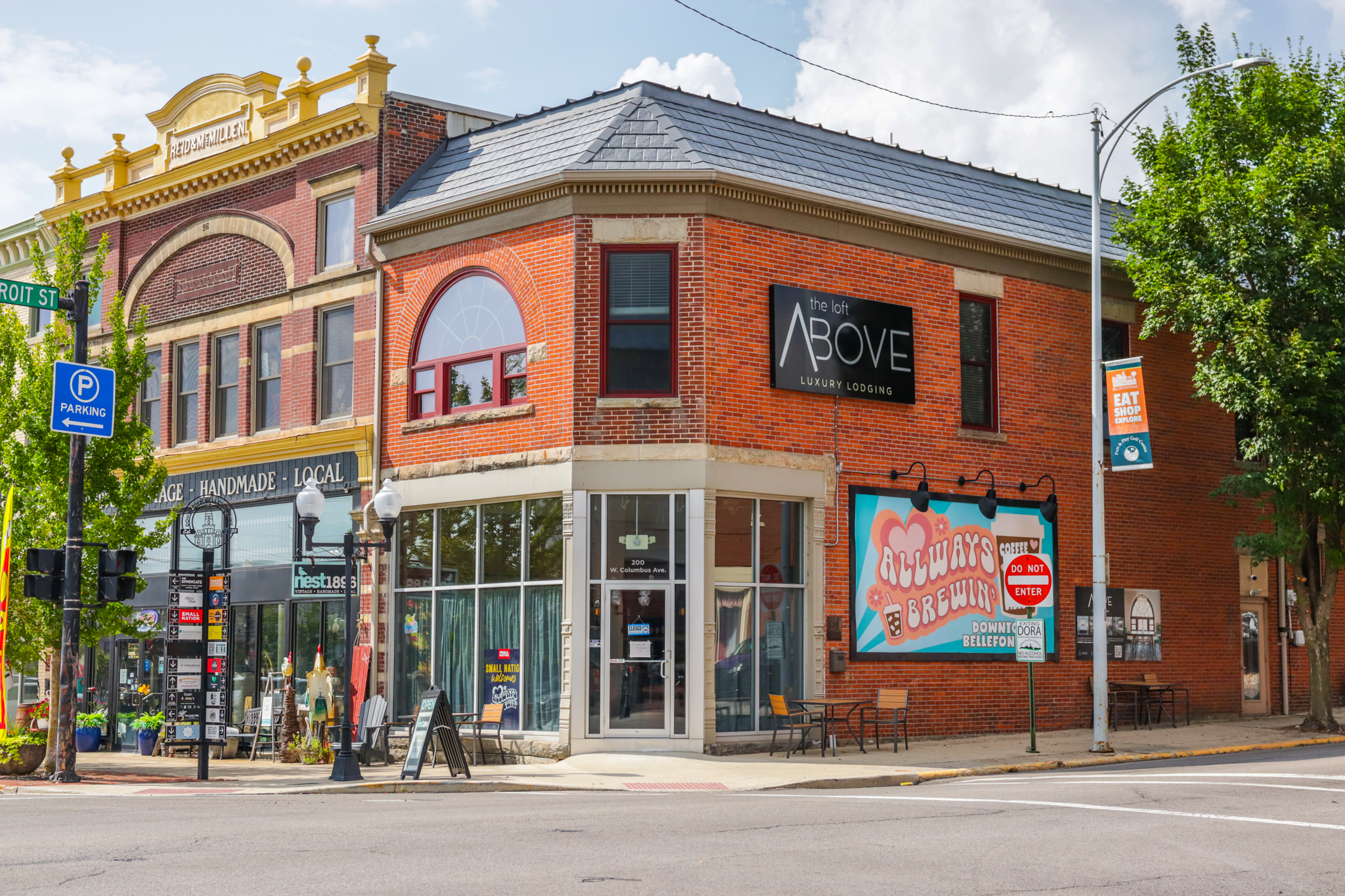
That’s exactly what happened with Allways Brewin’ in Downtown Bellefontaine.
What began as a mobile coffee trailer operated by a mother-daughter team quickly grew into a brick-and-mortar coffee shop with a strong identity, a loyal following, and a style all its own. Their story is about more than coffee. It is about courage, timing, relationships, and what can happen when a business owner takes a leap at the right moment in the right place.
WHY LOCAL COFFEE MATTERS MORE THAN EVER
The rise of Allways Brewin’ is not happening in isolation. It reflects a much larger shift happening across the country.
Local coffee shops are gaining ground in the U.S. at the same time many large chains are shrinking their footprints. Consumer behavior is moving toward authenticity, experience, and connection. According to U.S. Google search data in 2026, interest in “local coffee near me” has increased 163% year-over-year, reaching its highest level ever in early February 2026.
That shift is reinforced by customer perception. Independent coffee shops consistently outperform national chains in satisfaction, with average ratings between 4.6 and 4.9 stars, compared to 3.7 to 4.0 stars for larger brands. Customers are also more likely to stay longer, with dwell times 1.2 times higher at local shops, reinforcing their role as places to gather rather than simply transact.
From an economic standpoint, the impact is even more significant. According to the National Coffee Association, for every $100 spent at an independent coffee shop, $68 stays in the local economy, compared to just $43 at national chains. Independent coffee shops collectively employ more than 387,000 Americans and generate roughly $47 billion in annual revenue, making them a critical part of the small business landscape.
Coffee shops also serve as what many describe as “neighborhood connectors.” According to a Square report, 32% of regular customers at local coffee shops go on to visit other businesses in the same zip code, reinforcing their role as catalysts for broader downtown activity.
Allways Brewin’ fits squarely within this trend – but it also goes a step further.
A FAMILY STORY WITH DEEP ROOTS
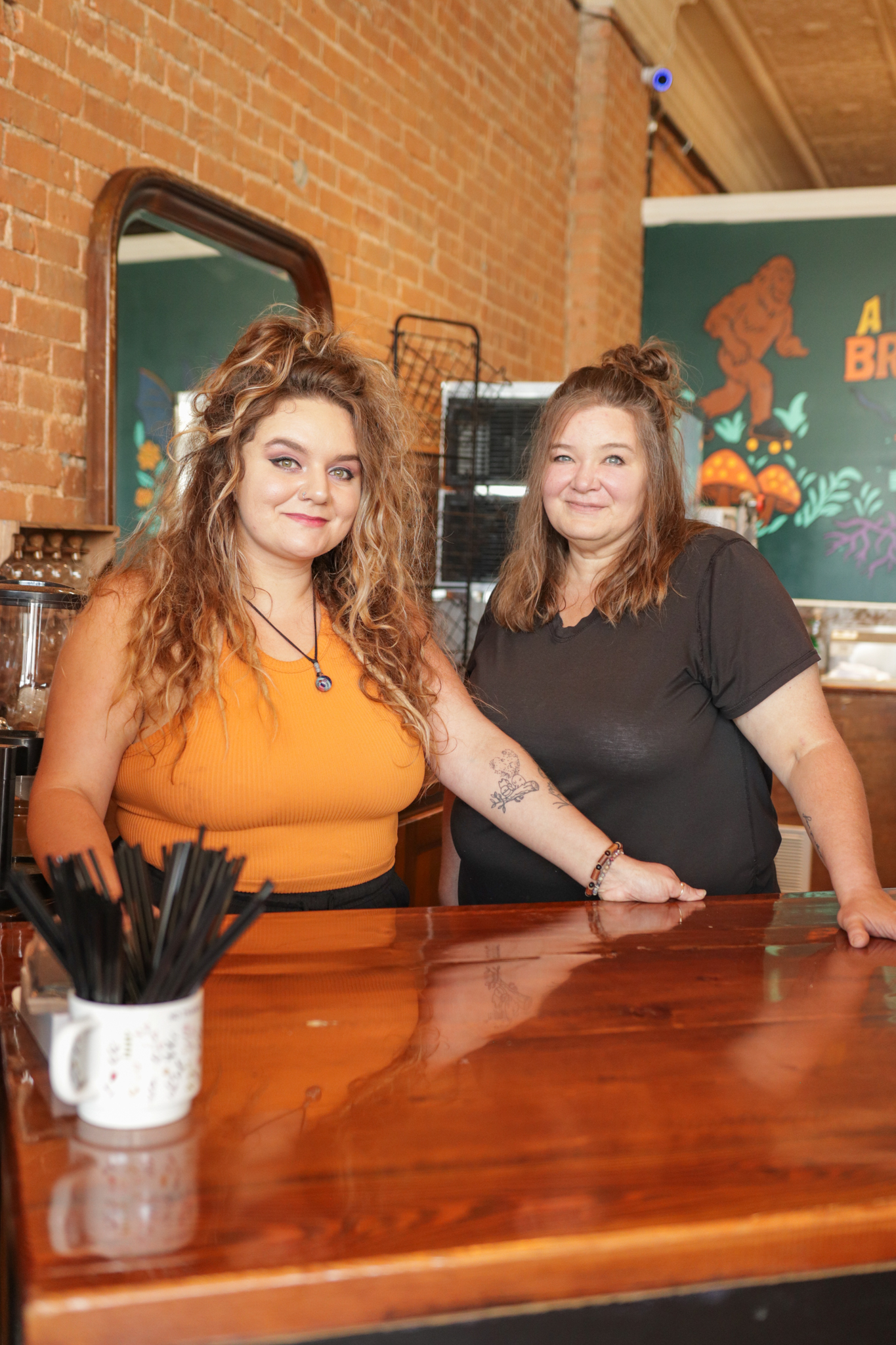
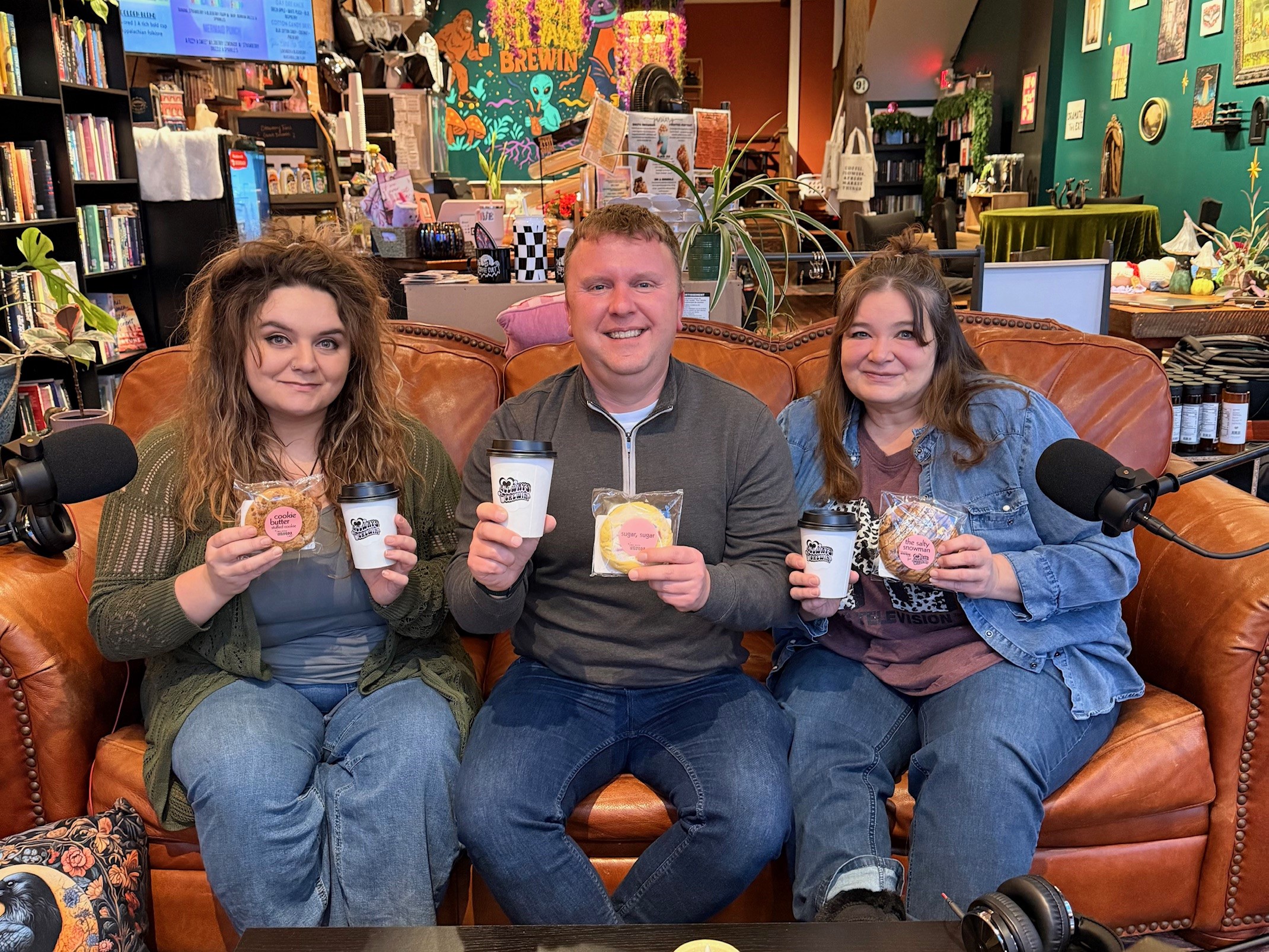
Allways Brewin’ is owned by Robin and Jamie Burton, a mother-daughter duo whose business grew out of both experience and family history. Robin had worked as a barista for years, and Jamie had already spent years managing another local coffee shop after beginning her working life in fast food. Between the two of them, they brought more than 16 years of coffee and food service experience into the business.
But the heart of the brand came from something even more personal. The name Allways Brewin’ was inspired by Jamie’s grandfather, who always spelled the word “allways” as a reminder to love in all ways. That phrase became a kind of family philosophy, and later, the foundation for the business itself. From the beginning, the coffee shop was meant to reflect more than just a menu. It was meant to reflect personality, warmth, and the values of the family behind it.
That family-centered mindset still shapes the business today. In conversations about how they wanted to build the shop, Robin and Jamie made it clear that their family had to come first. Their children and grandchildren were not something to work around. They were part of the reason for building the business in the first place. That commitment to family shows up in the environment they created, one that feels comfortable, relaxed, and welcoming to people of all ages.
STARTING SMALL TO DREAM BIGGER
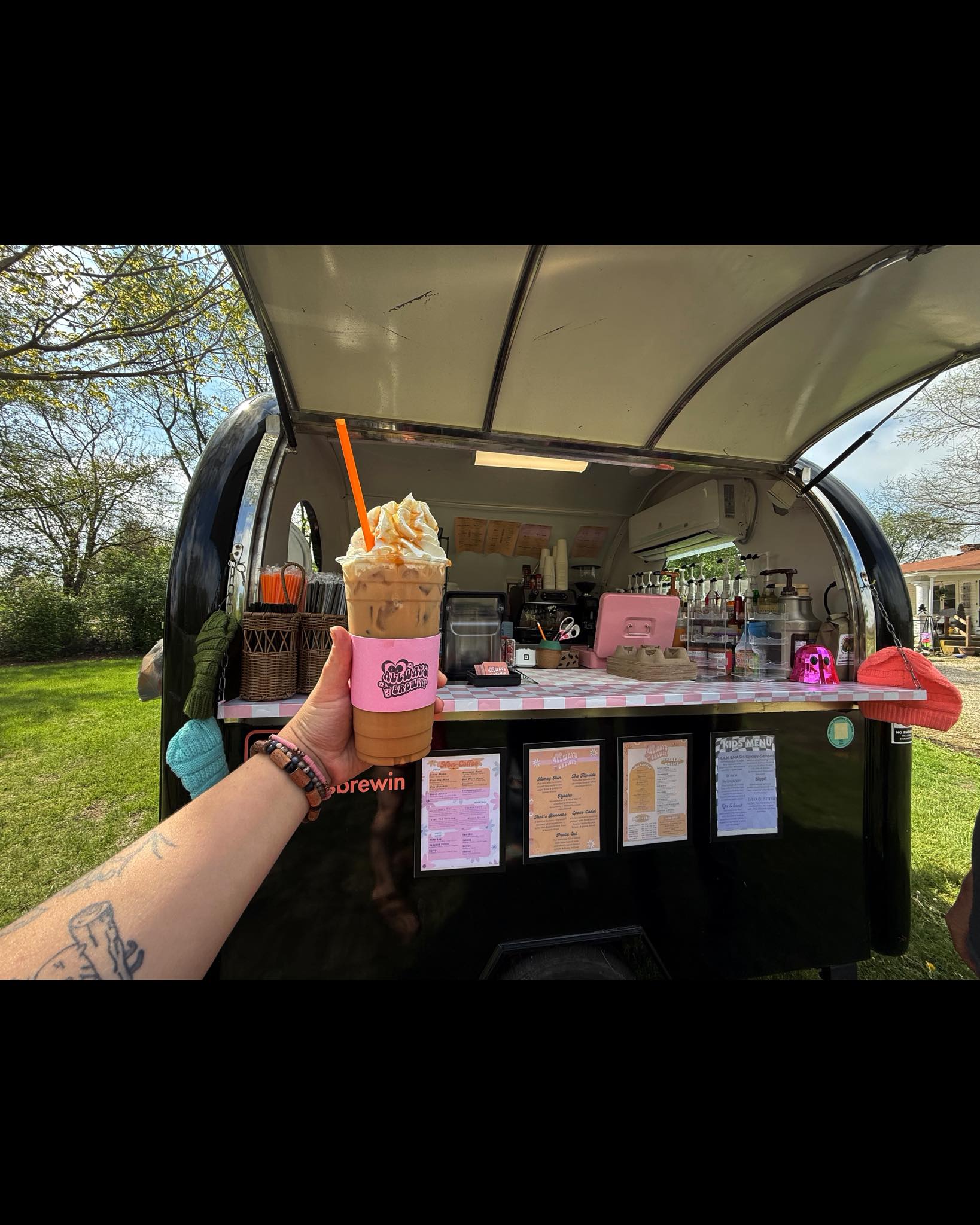
Like many entrepreneurs, Robin and Jamie did not begin with a fully built-out storefront. They started with a coffee trailer.
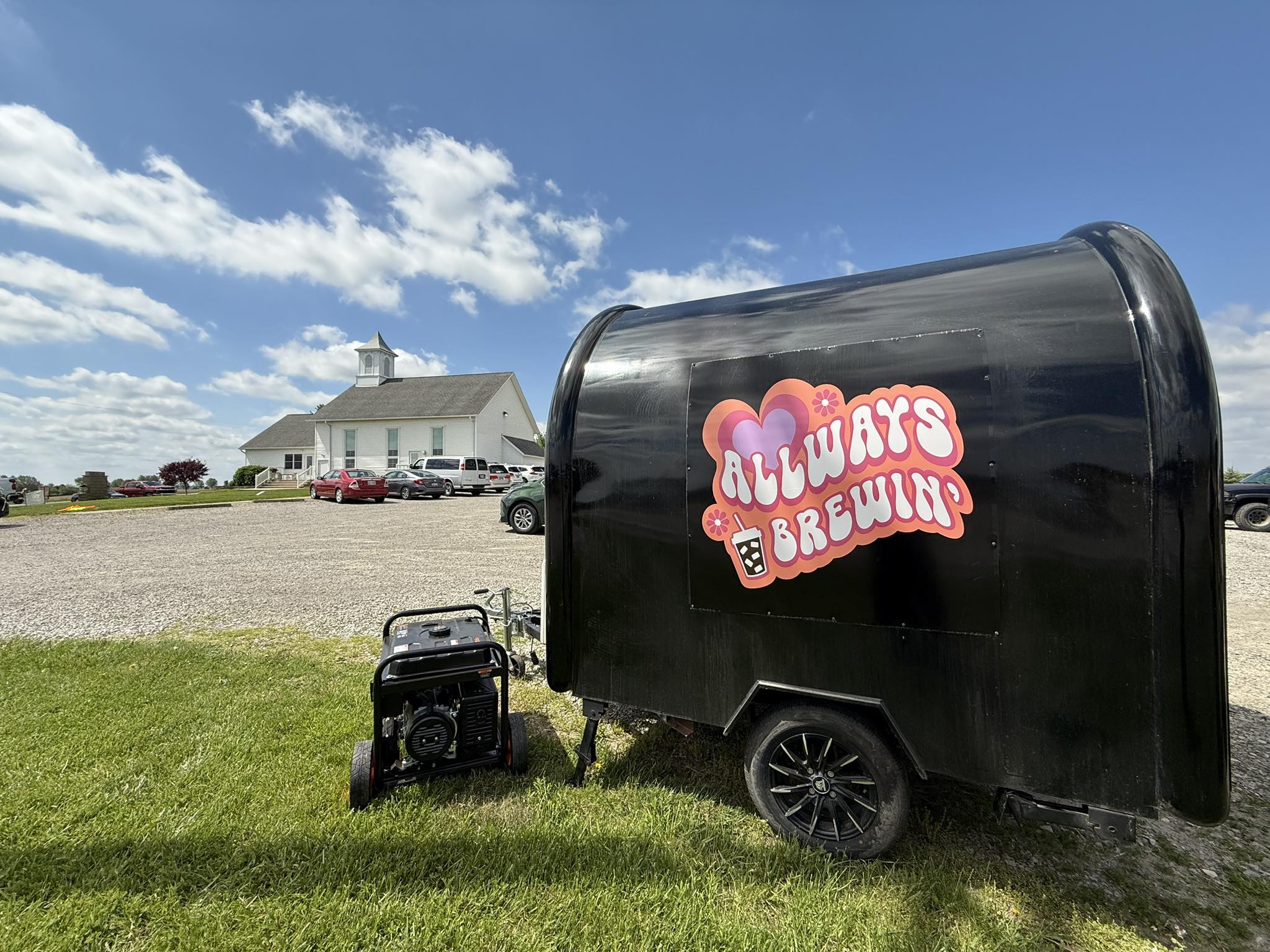
The idea for the trailer had been simmering for years. Robin had long wanted to do a mobile coffee business, but the timing never felt quite right. Eventually, after years of talking about it, the right trailer appeared on Facebook Marketplace in Michigan. The family drove several hours in the winter to pick it up, financed it through a personal loan, and brought it back home.
For months, the trailer sat waiting while they planned, bought syrups and cups, tested recipes, and slowly built the business from the inside out. The early stage was full of hustle and uncertainty, but it was also a time of experimentation and momentum. The trailer gave them the chance to build a customer base, prove demand, and gain confidence before taking on the overhead of a permanent storefront.
That mobile model mattered. It allowed Allways Brewin’ to establish itself organically and gave Robin and Jamie realworld feedback on what customers responded to. It also helped them understand that their concept was resonating. The trailer was not just a stepping stone. It was proof of concept.
TAKING THE LEAP TO BRICK AND MORTAR
Even with strong support from the trailer, moving into a permanent location felt intimidating. Like many small business owners, Robin and Jamie initially assumed a brickand-mortar space was years away. Rent, utilities, equipment costs, deposits, and lease terms all felt overwhelming. The trailer had minimal overhead. A storefront would change everything.
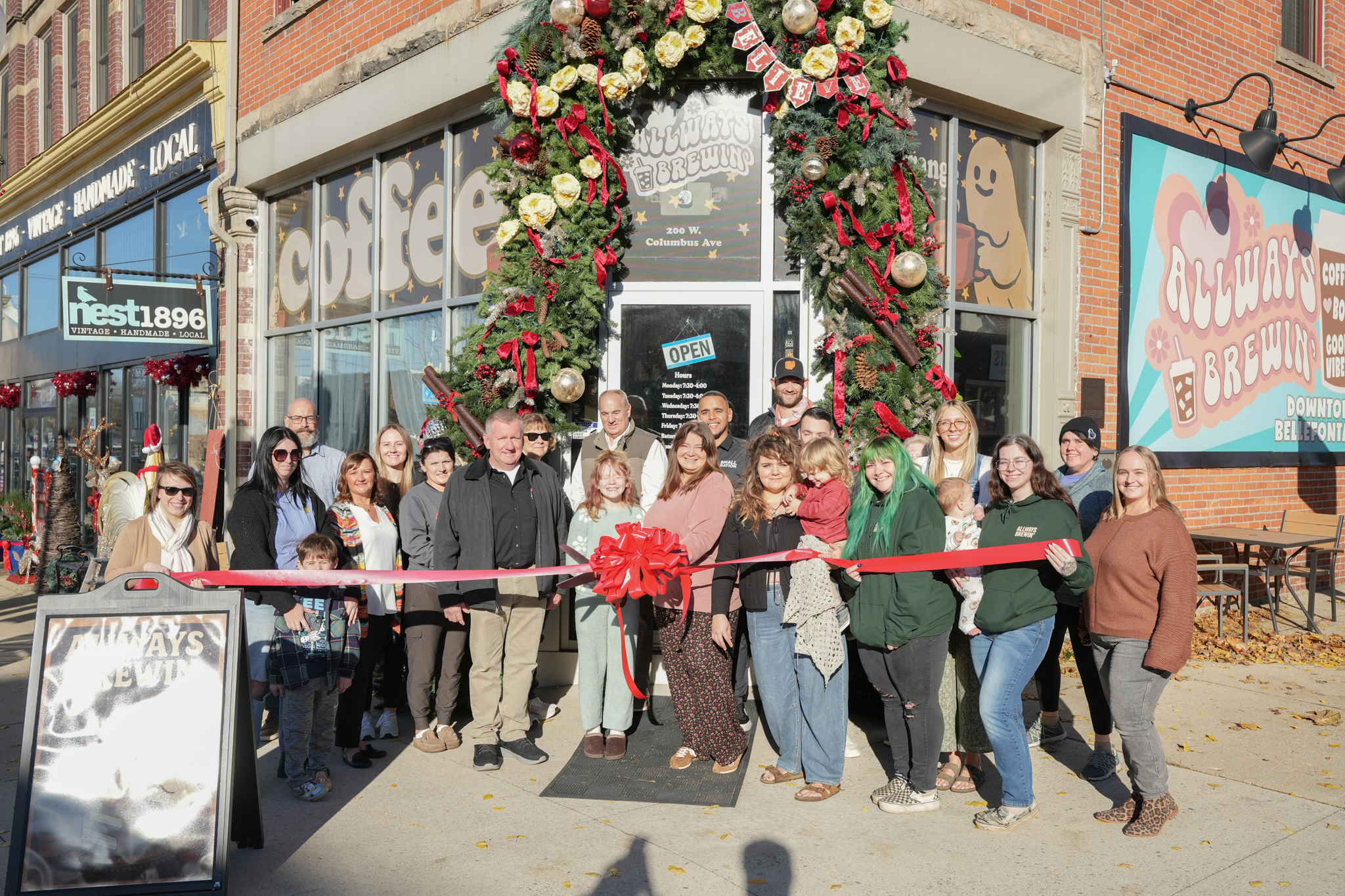
But as their momentum grew, so did the possibility of something more permanent. Small Nation had been following their success and believed their concept could thrive downtown. At 200 West Columbus Avenue, there was a corner space with the right infrastructure for a coffee shop and the kind of visibility that could help Allways Brewin’ become more than just a stop for drinks. It could become a destination.
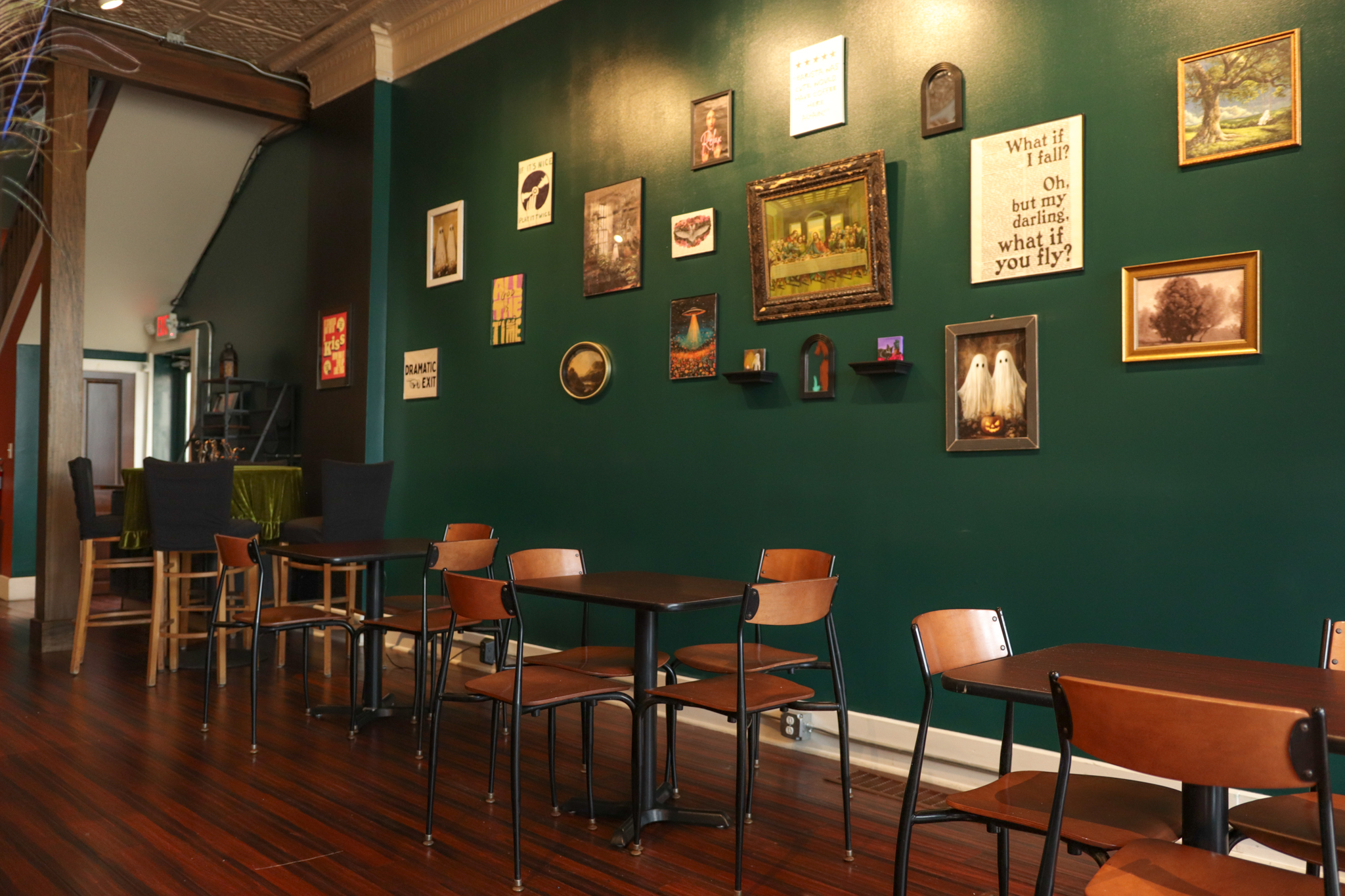
Even then, the decision was not immediate. Robin and Jamie went back and forth, unsure whether the timing was right or whether they were ready. But once they stood inside the space, something clicked. It had the look and feel they had imagined. It felt cozy, historic, and full of possibility. As Jamie described it, it felt like a Hallmark movie.
That moment of recognition matters in economic development. Sometimes a business owner needs more than spreadsheets and square footage. They need to feel the future of the space. In this case, the right location, clear communication, and a responsive landlord relationship made the leap possible.
BUILDING A DIFFERENT KIND OF COFFEE SHOP
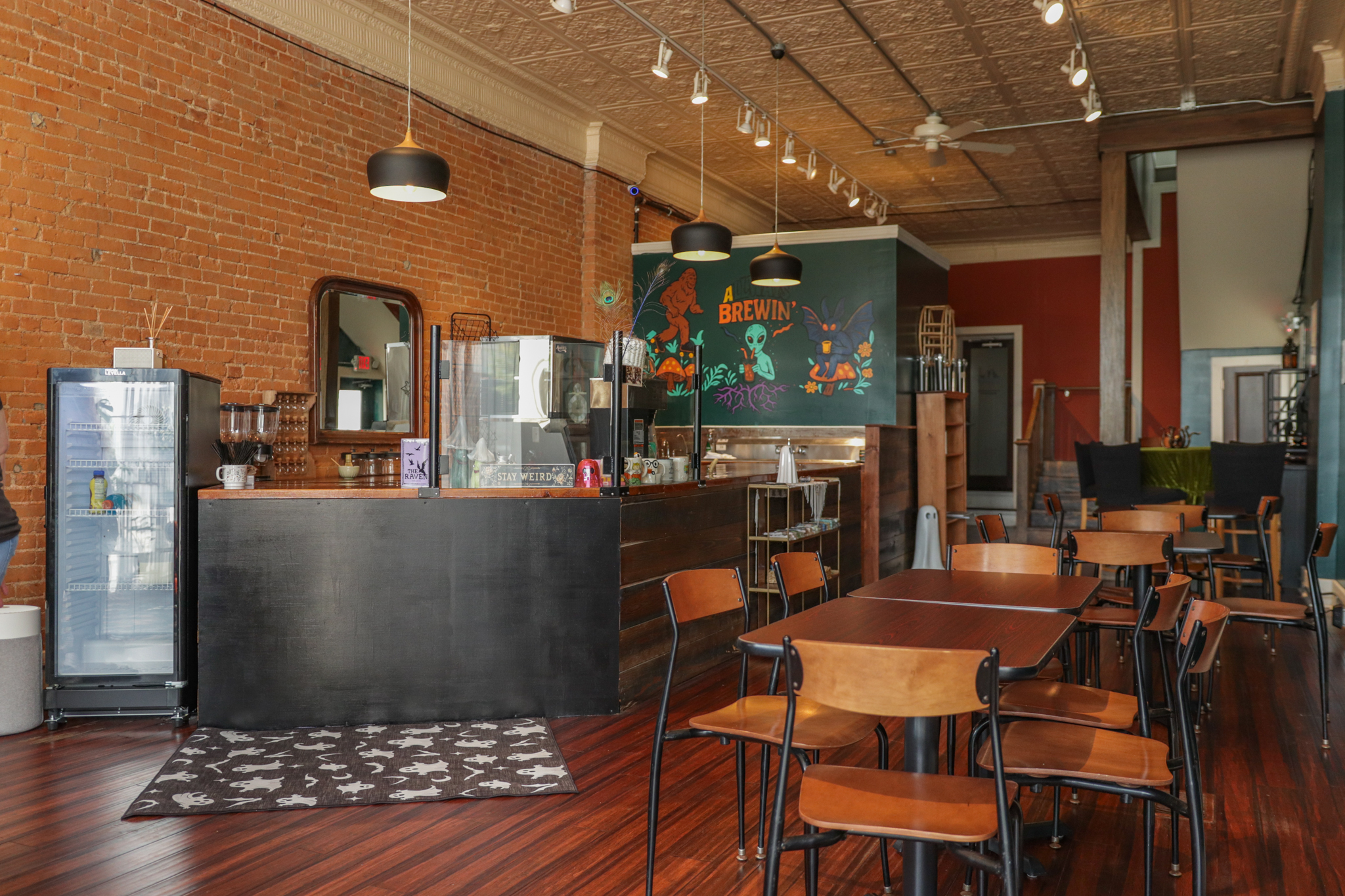
Allways Brewin’ was never intended to be a standard coffee shop. Robin and Jamie built it to feel eccentric, personal, and immersive.
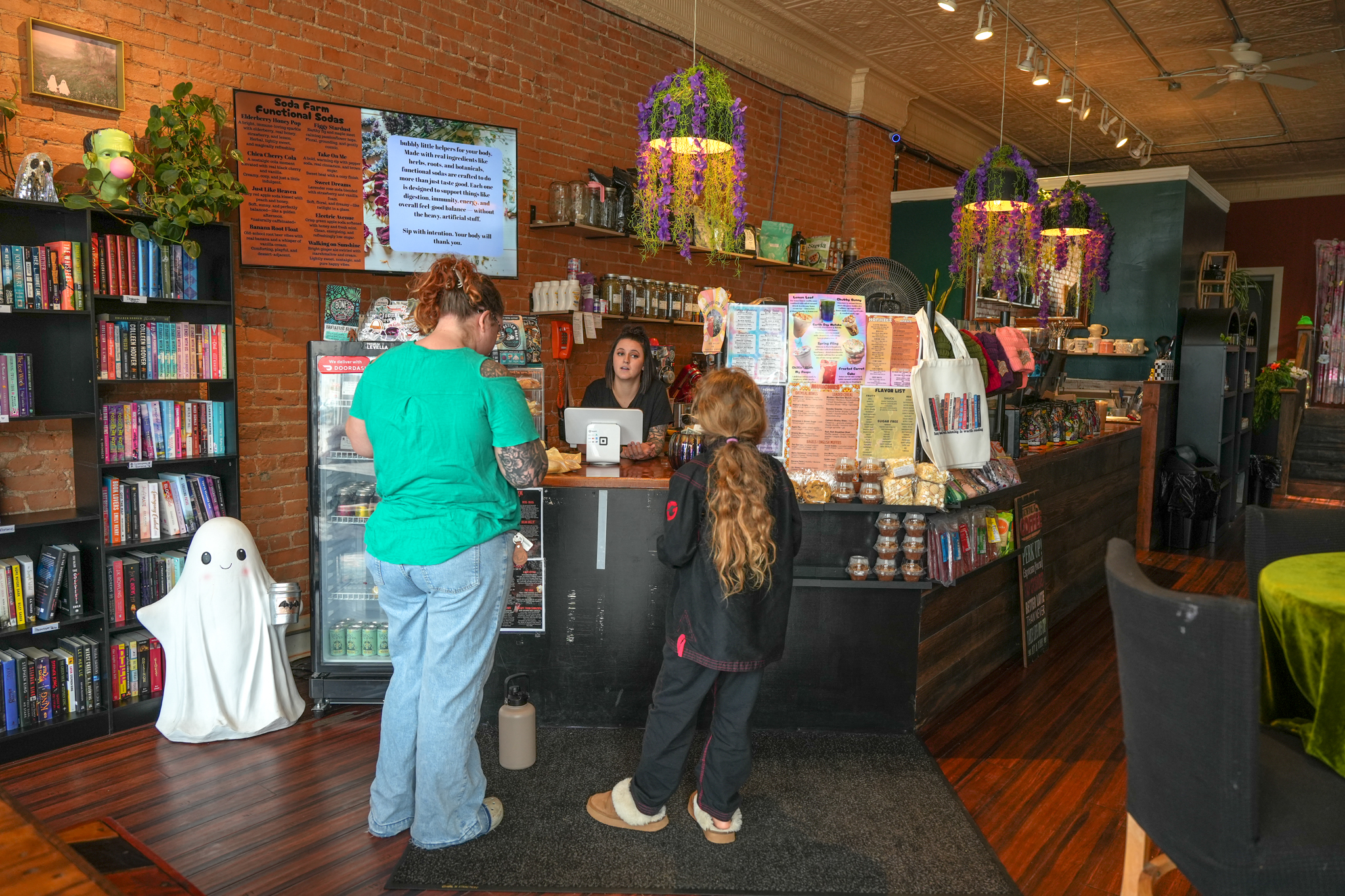
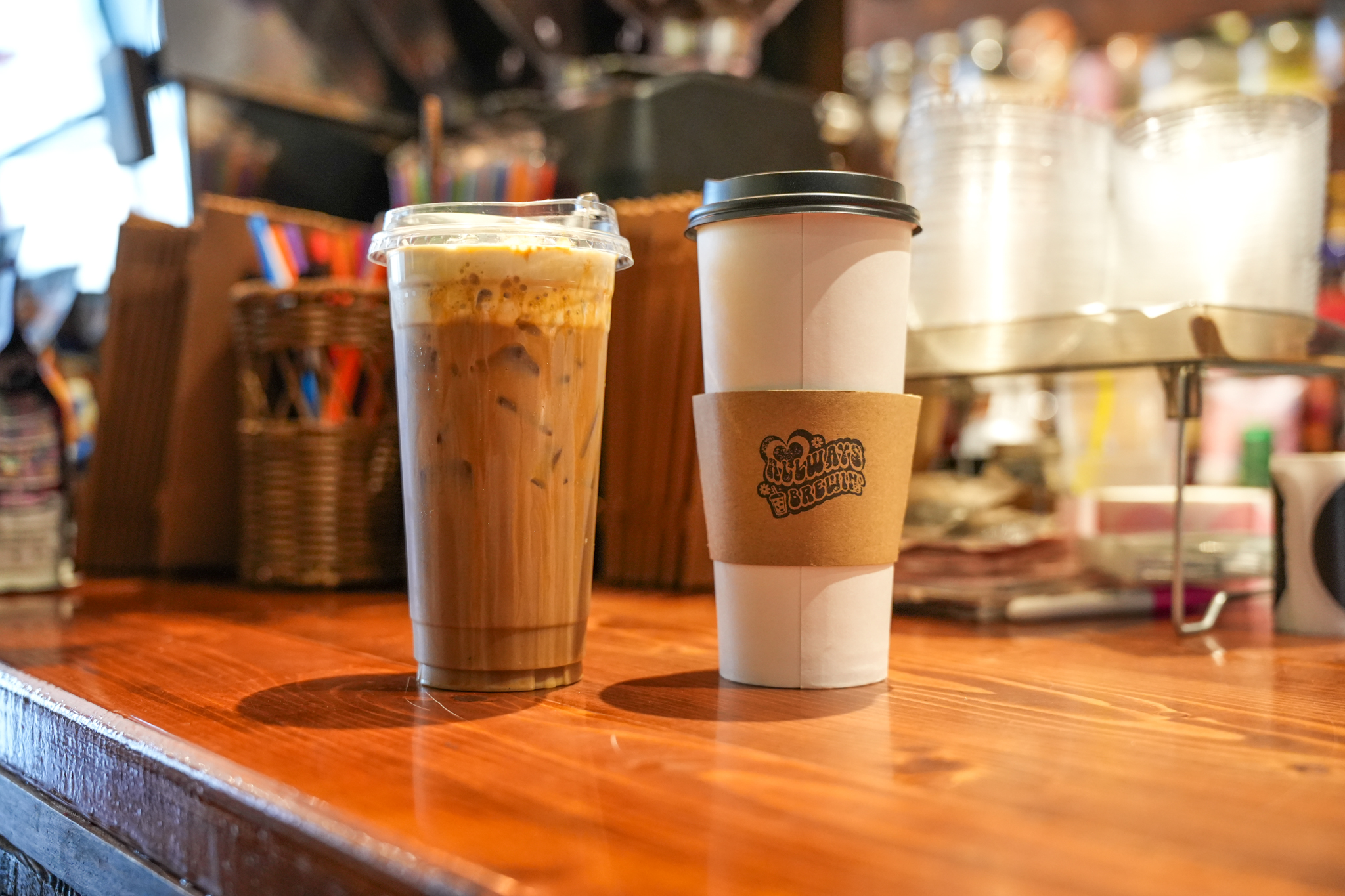
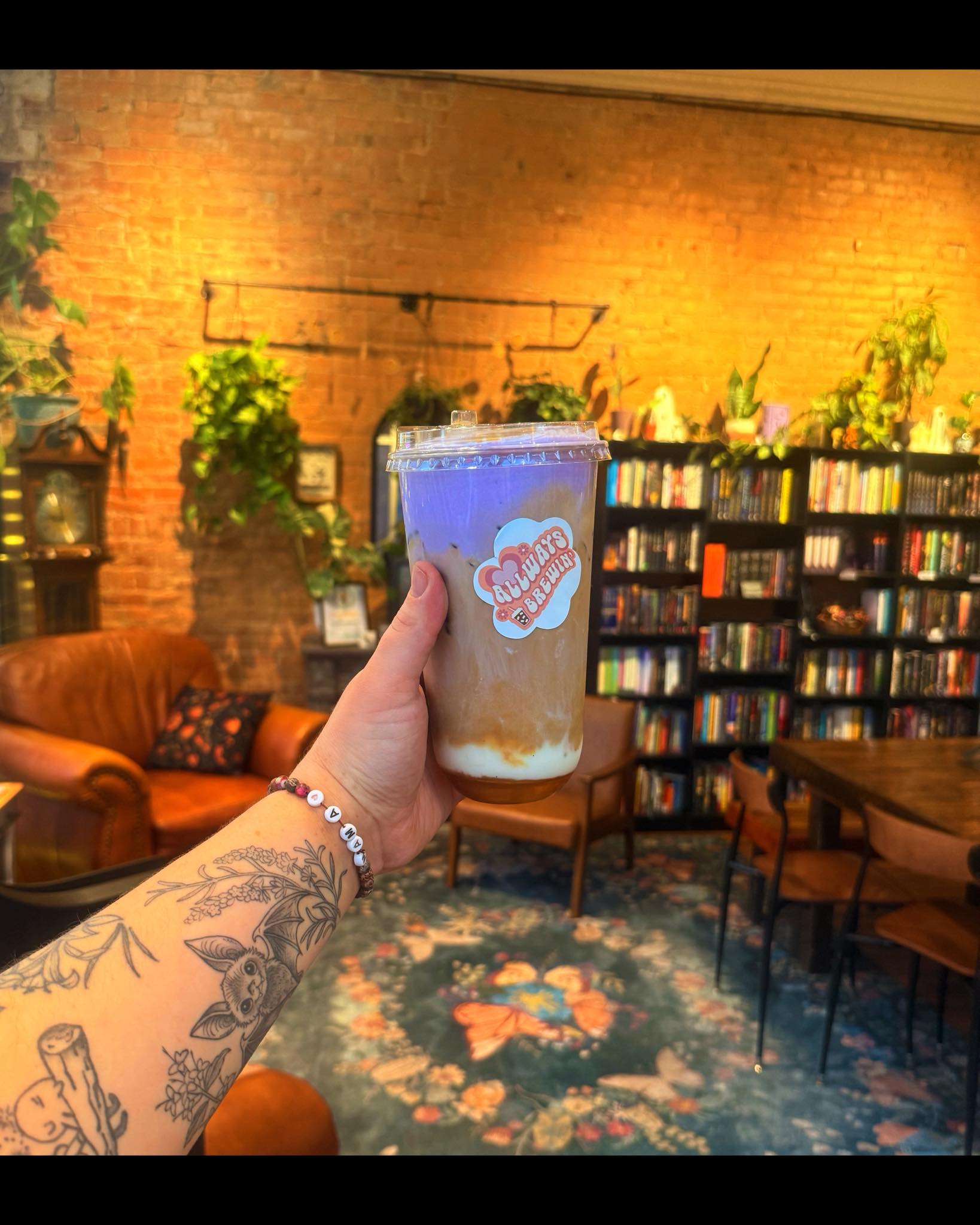
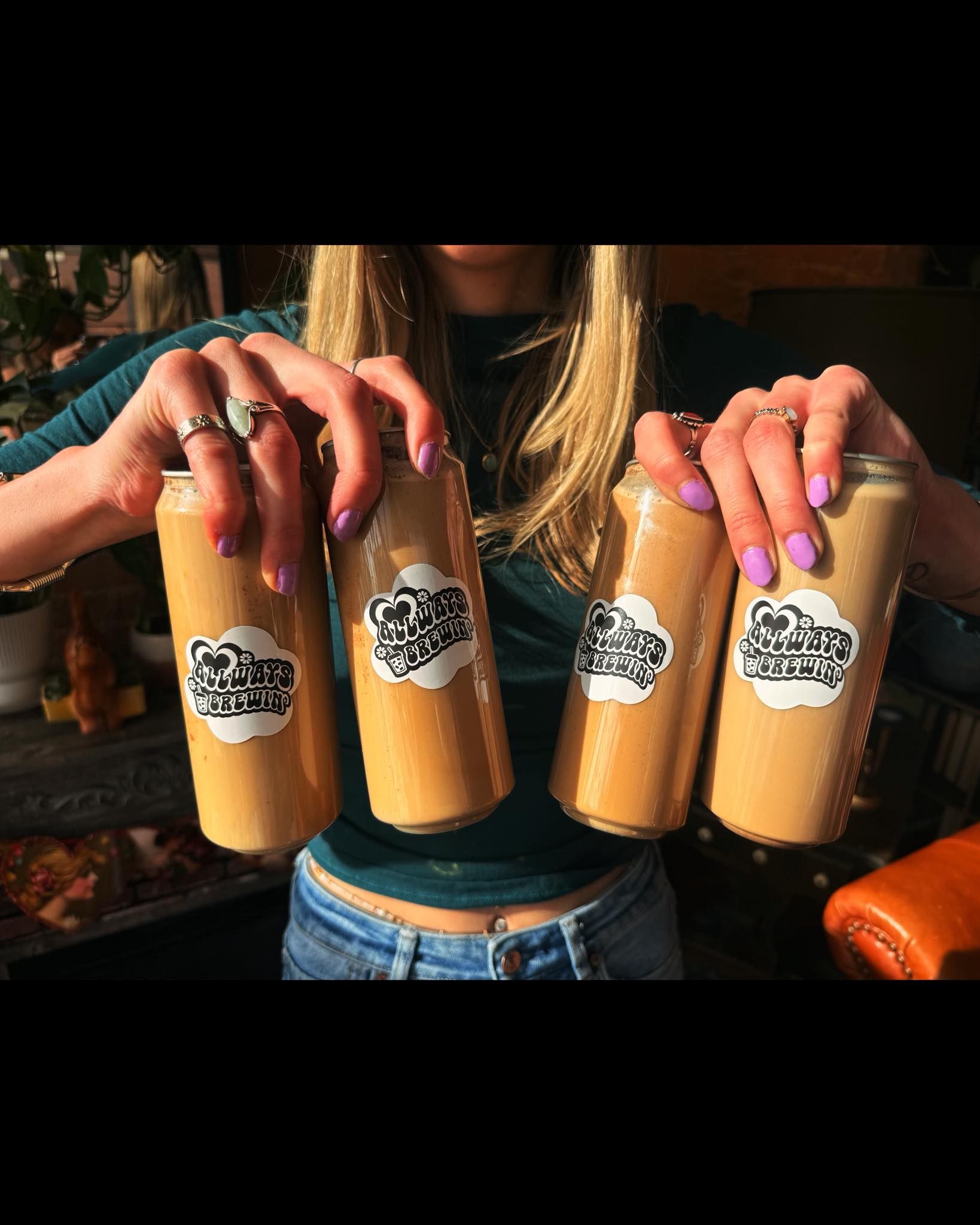
Self-described as a “chaotic brewing apothecary,” the shop blends traditional offerings with unexpected elements that make it stand out. Alongside espresso drinks and teas, customers will find canned, pre-made coffee beverages to go, kombucha on tap, and a constantly rotating lineup of specialty drinks designed around seasons, pop culture, and creativity.
But the differentiators go beyond the menu. Inside the shop, guests encounter a used bookstore integrated into the space, complete with curated selections, local author spotlights, and occasional book signings. The shop also hosts community-focused programming, including worship nights, live music, and family-friendly activities, reinforcing its role as more than just a place to grab coffee.
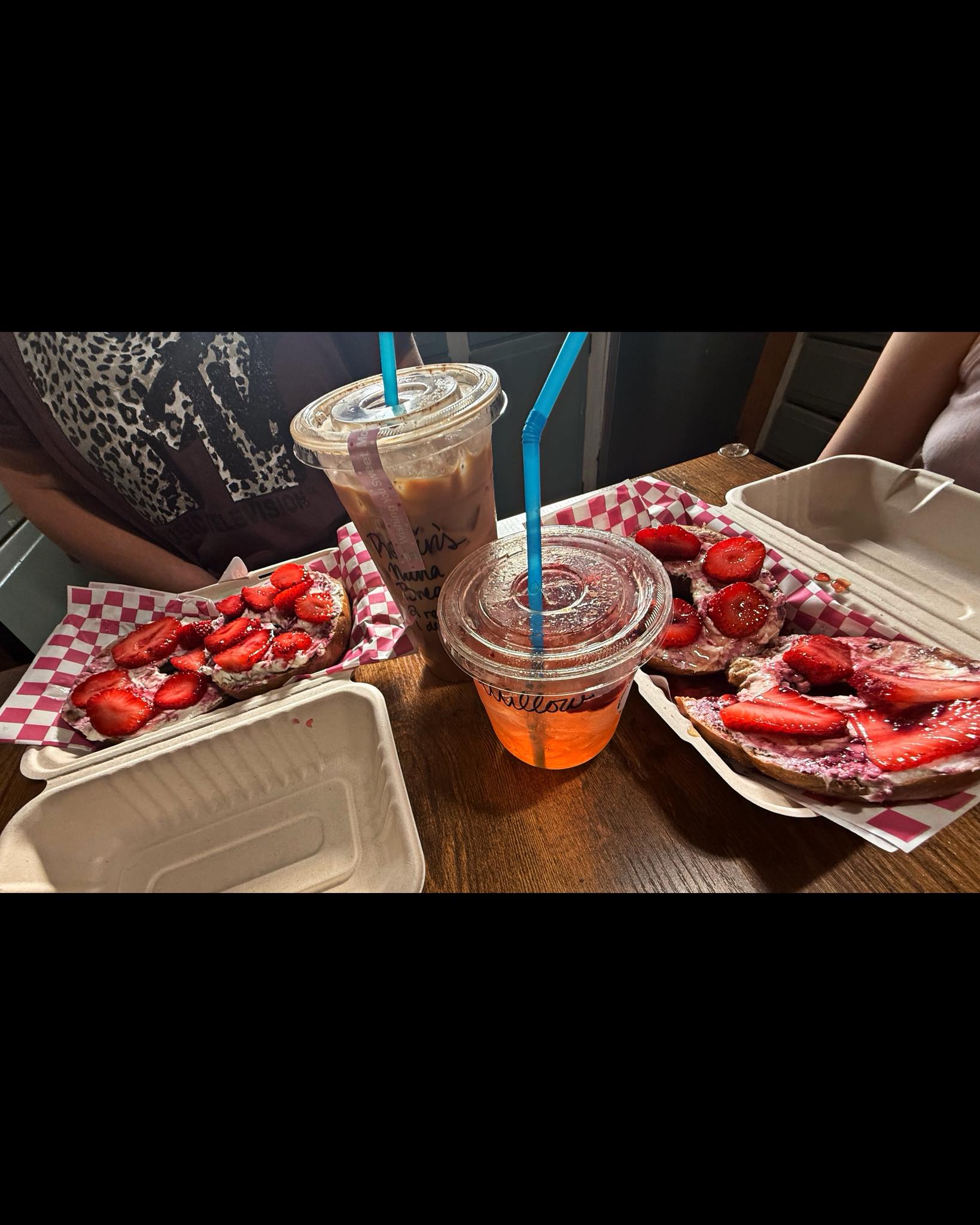
Food offerings further strengthen its local ties. Rather than producing everything in-house, Allways Brewin’ partners with area bakers and makers to provide cookies, bagels, cinnamon rolls, and gluten-free options, supporting other small businesses while expanding its own menu.
The result is a coffee shop that offers more than caffeine. It offers novelty, atmosphere, and a sense of belonging.
A CORNER LOCATION THAT BECAME AN ANCHOR
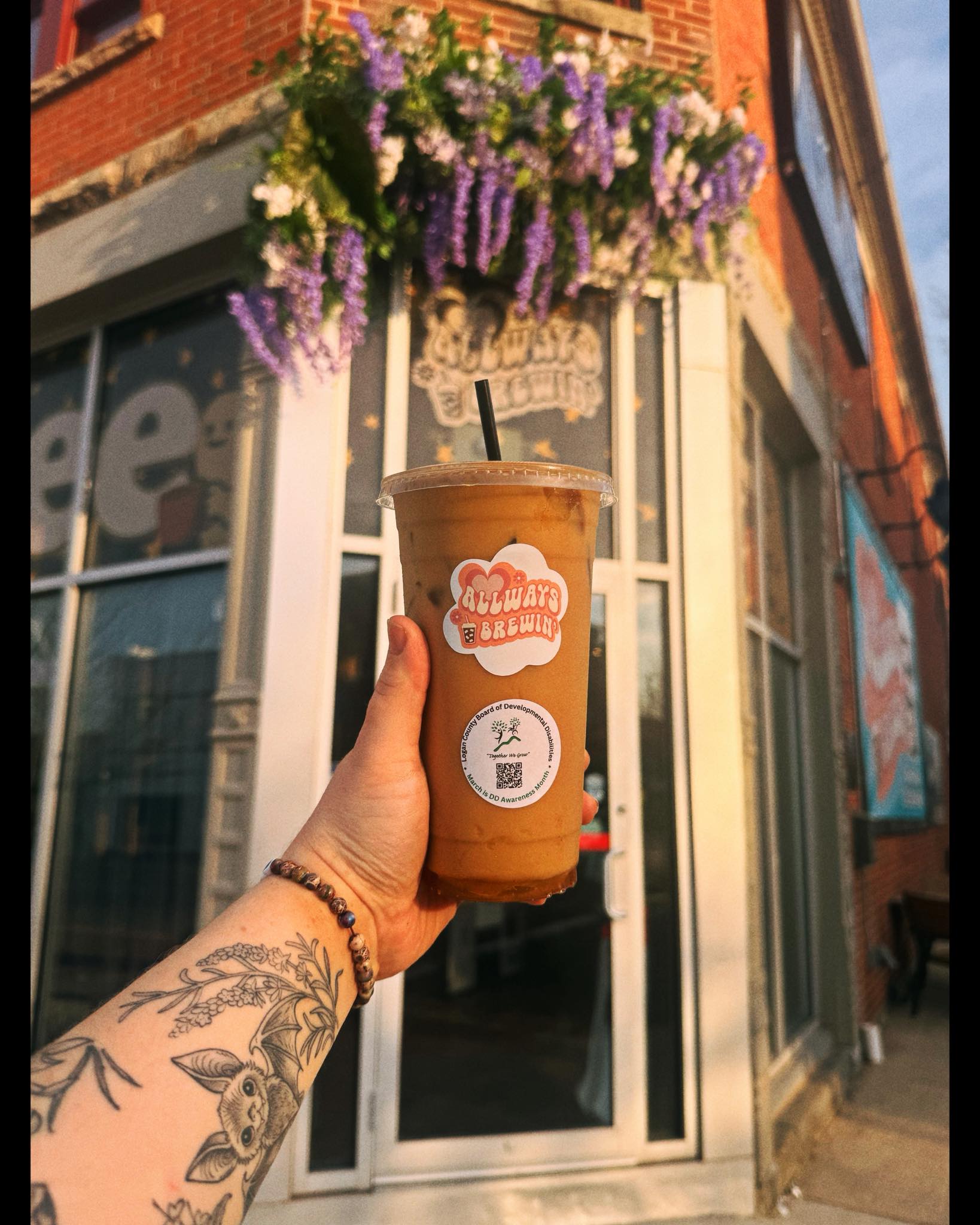
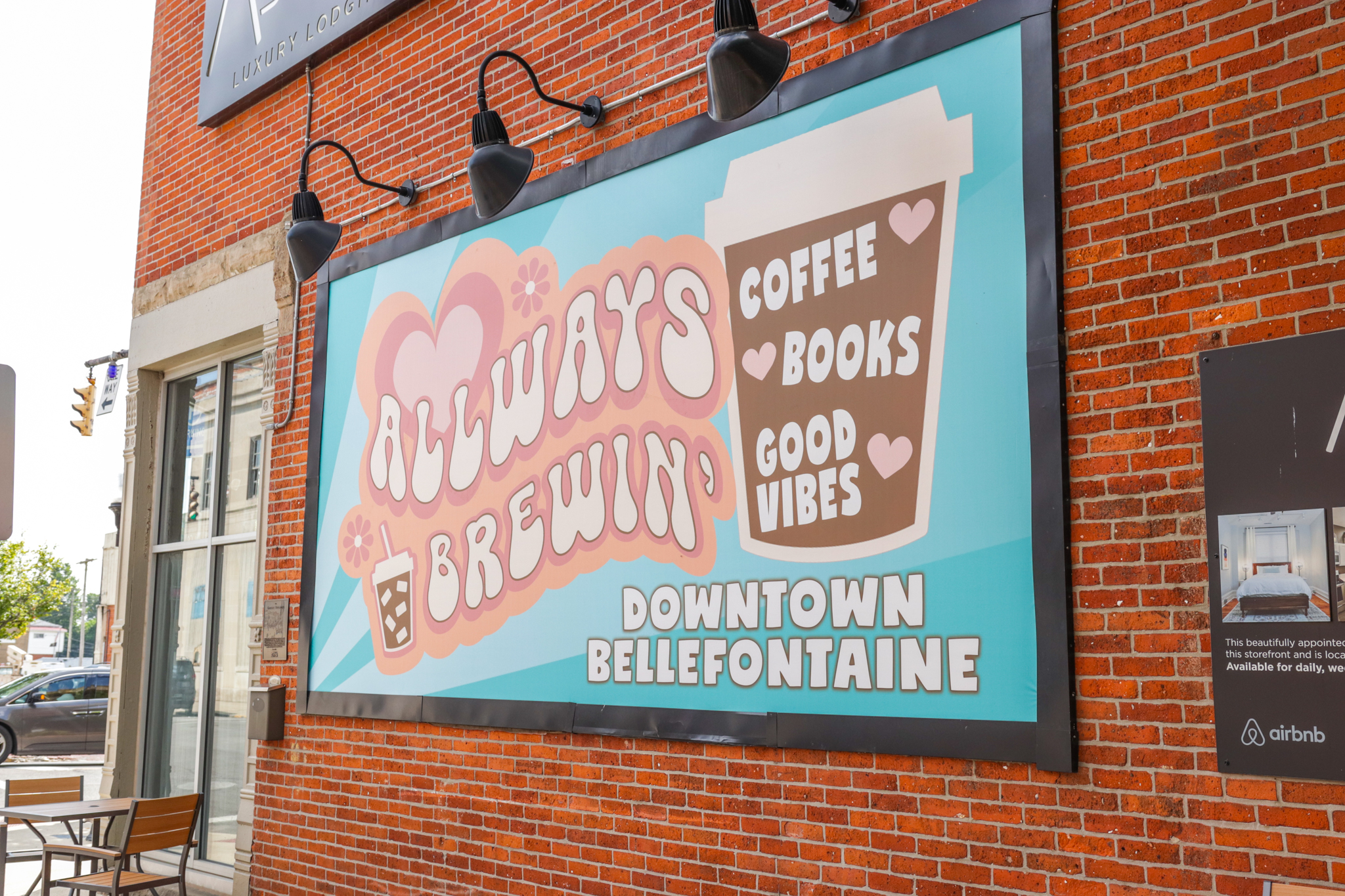
The physical location of Allways Brewin’ also played a major role in its success. Though not on Bellefontaine’s most trafficked stretch of Main Street, the shop sits on a highly visible corner in the city’s growing antique and boutique district. It is surrounded by complementary businesses and walkable destinations.
That matters because coffee rarely works in isolation. A customer might grab a drink and then browse nearby antiques, stop into a neighboring retailer, or meet a friend before lunch. In small towns, good coffee strengthens the larger ecosystem. It encourages people to stay longer and move between businesses.
Allways Brewin’ benefited from that ecosystem and also added to it. The shop helped activate its block, drew new visitors to that side of downtown, and proved that a business does not have to be on the main commercial strip to become a strong anchor if the concept and environment are right.
The shop’s exterior presentation also contributed to this role. During the Christmas season, the business leaned fully into downtown Bellefontaine’s identity as Ohio’s Christmas Capital, investing heavily in exterior decorations and creating a magical visual presence that drew attention and added to the district-wide experience. In a downtown built around experience, those details matter.
PARTNERSHIPS THAT HELP EVERYONE WIN
Another important element of the Allways Brewin’ story is how the business has chosen to grow through collaboration. Rather than trying to do everything in-house, Robin and Jamie built partnerships with local bakers and makers.
Their shop features cookies, gluten-free baked goods, charcuterie, and specialty items from other local businesses. These partnerships allow Allways Brewin’ to focus on its core strength – drinks and atmosphere – while creating opportunities for others to grow alongside them.
This kind of collaboration is especially valuable in smalltown business districts. It reinforces the idea that success is shared. When one business wins, others can too. Allways Brewin’ understands that and has intentionally built a network around the shop that supports other local entrepreneurs while broadening the customer experience.
A LESSON IN COURAGE AND TIMING
The story of Allways Brewin’ offers several lessons for communities and entrepreneurs alike. First, a mobile concept can be an effective on-ramp to permanent business ownership. Second, coffee shops remain strong economic drivers in small towns when they are differentiated, welllocated, and tied into the larger district. Third, the leap from mobile to brick-and-mortar becomes much more achievable when landlords and development partners are willing to communicate clearly, support tenant needs, and create a path that feels manageable rather than overwhelming.
Most of all, Allways Brewin’ shows the power of taking a leap before you feel completely ready. Robin and Jamie originally thought a storefront was years away. Instead, they trusted their momentum, found the right space, and stepped into it.
Today, Allways Brewin’ is more than a coffee shop. It is a corner anchor, a family business, a creative brand, and a place people seek out not just for what they can drink, but for how the space makes them feel. In Downtown Bellefontaine, that kind of business is invaluable.